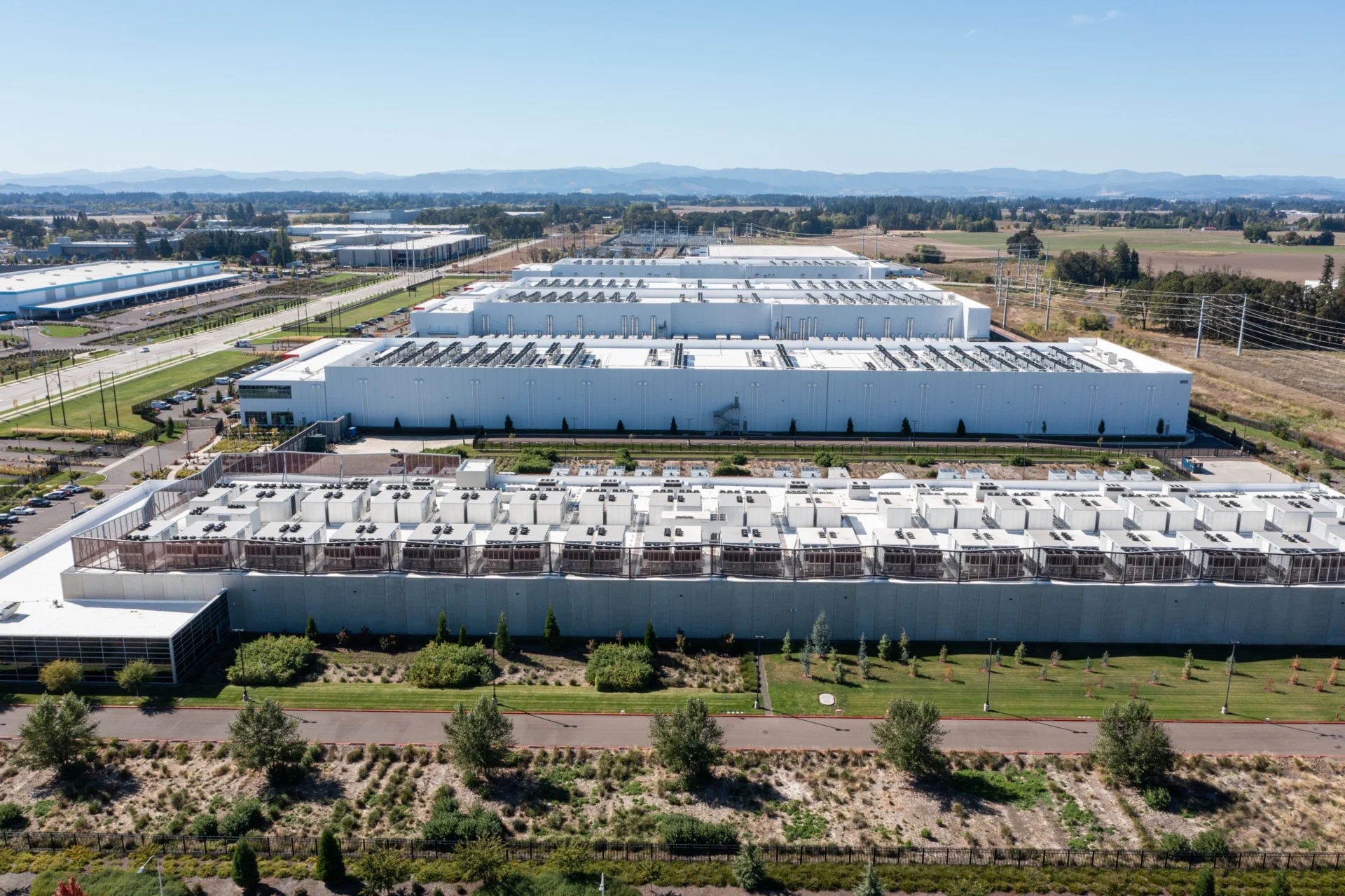
The bill would have created the Maine Data Center Coordination Council and temporarily stopped state and local permitting for data centers with loads of 20 megawatts or more. Mills said she supported a temporary moratorium in principle, but she rejected the final bill because it did not exempt the Jay project, according to her official veto message.
Maine data center veto puts Jay mill redevelopment at the center of the fight
The LD 307 legislative file describes the measure as an act to establish a data center coordination council and place a temporary limitation on certain data centers. As amended, the proposal would have paused municipal and state permitting for large projects until Nov. 1, 2027, while a 13-member council studied siting, ratepayer, grid and environmental questions.
Mills said the moratorium would have been “appropriate” because of the impacts large data centers have had in other states on the environment and electricity rates. But she argued that the bill went too far by threatening the proposed $550 million redevelopment of the former Androscoggin Mill in Jay, a community still trying to recover from the loss of one of its largest employers.
The governor said the Jay project is under contract, has received several permits and is expected to create more than 800 construction jobs and at least 100 permanent jobs. Supporters also say the site could generate substantial property tax revenue while reusing existing industrial buildings, water systems and electrical infrastructure.
For Jay and the surrounding Franklin County region, the debate is not abstract. Maine Public reported in 2022 that Pixelle Specialty Solutions planned to close the paper mill, a move expected to cost about 230 jobs after years of pressure from the 2020 digester explosion, higher operating costs and an unprofitable operation at the site, according to older coverage of the mill closure.
Why lawmakers pushed for a pause
Supporters of LD 307 said Maine needed time to create rules before approving energy-intensive facilities tied to artificial intelligence, cloud computing and digital services. Their concern is that once large data centers are built, the state could have less leverage to protect ratepayers, water resources, nearby communities and the electric grid.
State Rep. Melanie Sachs, D-Freeport, the bill’s sponsor, said Mills’ veto rejected the advice of the governor’s own artificial intelligence task force and ignored residents who raised affordability concerns. In a statement after the veto, Sachs said the bill would have given Maine time to evaluate both the benefits and risks of data center development.
“While a veto might protect the proposed data center project in Jay, it poses significant potential consequences for all ratepayers, our electric grid, our environment, and our shared energy future,” Sachs said. “This decision is simply wrong.”
The dispute reflects a fast-moving national pressure point. The International Energy Agency said data center electricity demand rose sharply in 2025 and that AI-focused data centers grew even faster, a trend that has pushed utilities, regulators and communities to ask who pays for new power generation, grid upgrades and environmental safeguards, according to the agency’s latest energy analysis.
Older Maine data center fights show the pressure was already building
The veto fight did not emerge in isolation. In October 2025, developers announced that Maine’s first artificial intelligence-focused data center would be housed at the former Loring Air Force Base in Limestone. The project was described as a long-term lease for 115,000 square feet within a larger innovation hub, according to The County’s earlier report.
Two months later, Lewiston city councilors unanimously rejected a proposed artificial intelligence data center at Bates Mill No. 3 after a wave of public opposition. That December 2025 vote in Lewiston showed how quickly local concerns over noise, power use, transparency and downtown development could harden into political resistance.
Together, those earlier episodes help explain why LD 307 moved so quickly through the Legislature. To supporters, the bill was a temporary guardrail before more proposals reached local planning boards. To opponents, it risked blocking projects that could bring new investment to former industrial sites with existing utility connections.
Power bills, water use and jobs drive the divide
Maine Public reported that supporters of the pause were “incredibly disappointed” by the veto, while the Jay developer argued the 82-megawatt project is different from data centers that have drawn criticism elsewhere because it would use an existing Central Maine Power connection and less water than the former paper mill, according to Maine Public’s post-veto reporting.
That argument is now at the center of the policy fight. Mills framed the Jay site as a narrow exception that could revive a mill town without creating the same scale of new land, water and transmission impacts feared by moratorium supporters. Sachs and environmental advocates counter that carving out one project could leave the state reacting after large facilities are already approved.
The veto also leaves lawmakers with a difficult path forward. Supporters would need a two-thirds vote to override Mills, but Sachs has said earlier votes did not reach that threshold. If the veto stands, Maine may still get a study commission by executive order, but the state would not have the temporary permitting pause that LD 307 envisioned.
What happens next
The Maine data center fight is likely to continue through local permitting, legislative hearings and utility planning debates. Jay officials and project backers will press the case that the former mill site offers a rare chance to replace lost industrial jobs with new tax revenue. Moratorium supporters will argue that Maine should not trade short-term investment for long-term pressure on power bills, water resources or the grid.
For now, Mills’ veto keeps the Jay redevelopment alive while leaving unresolved the larger question behind LD 307: whether Maine can welcome artificial intelligence infrastructure without shifting too much cost and risk onto ratepayers and communities.