
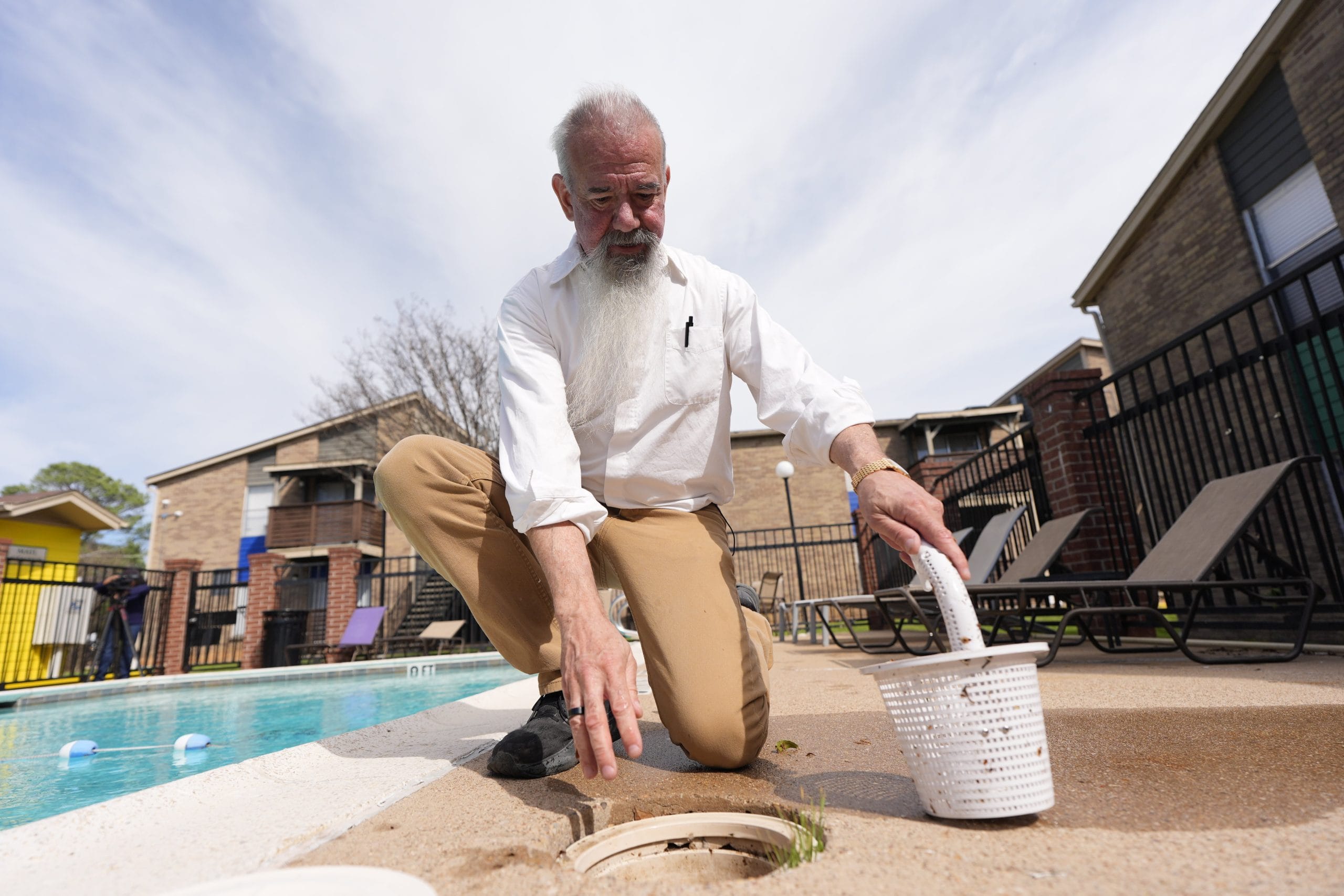
BOSTON — More than 1,500 landlords are pressing a federal eviction moratorium lawsuit that could lead to a settlement worth as much as $1.5 billion after years of litigation over the pandemic-era ban on removing nonpaying tenants, according to Associated Press reporting on the landlord compensation talks. The case has revived a national fight over whether the Centers for Disease Control and Prevention protected public health or forced private property owners to absorb public costs, May 4, 2026.
The lawsuit centers on the CDC’s nationwide order, first published in the Federal Register eviction order in September 2020, which temporarily halted certain residential evictions to slow the spread of COVID-19. The policy did not cancel rent, but it sharply limited landlords’ ability to remove covered tenants for nonpayment.
Eviction moratorium lawsuit turns from policy fight to payout battle
The plaintiffs argue the federal government violated the Fifth Amendment by creating a taking of private property without just compensation. Matthew Haines, a Texas property owner who joined the case, said the moratorium cost him and his investors more than $1 million.
“It’s important for us to stand up when a group like the CDC unilaterally, functionally, decides that they have a right to oversee our business,” Haines told the AP.
The case gained momentum after the U.S. Court of Appeals for the Federal Circuit revived the landlords’ takings claims in Darby Development Company Inc. v. United States. The Justice Department later declined to ask the Supreme Court to review the ruling, leaving the case to return to the Court of Federal Claims for damages proceedings, according to Reuters’ report on the government’s decision not to appeal.
The potential $1.5 billion settlement figure is far below the broader losses landlord groups have cited. At the same time, tenant advocates say the moratorium helped prevent displacement at a moment when job losses, illness and court closures threatened to push renters into homelessness.
How the moratorium battle built over time
The legal and political clash began early in the pandemic. In 2020, the Trump administration moved toward a federal eviction pause after the CARES Act’s narrower protections expired, with early coverage of the CDC eviction order showing the policy was framed as a public health measure.
By early 2021, the moratorium had been extended repeatedly, even as eviction filings continued in some places. Princeton University’s Eviction Lab warned in its February 2021 analysis of continued filings that protections varied in practice and did not fully stop eviction activity.
The fight escalated again in August 2021, when landlord and real estate groups challenged the Biden administration’s renewed moratorium, arguing the CDC had overstepped its authority. That challenge was already visible in coverage of the landlords’ legal challenge before the Supreme Court intervened later that month.
Supreme Court ruling still shapes the settlement fight
The Supreme Court blocked the CDC’s renewed moratorium in 2021, saying the agency needed clearer congressional authorization for such a sweeping policy. The Supreme Court’s eviction moratorium order did not resolve whether landlords were owed money, but it became a key backdrop for the compensation case now driving settlement talks.
That distinction matters. The Supreme Court case focused on whether the CDC had authority to impose the moratorium. The current damages fight asks whether landlords should be paid because the government temporarily limited their right to remove tenants who were not paying rent.
Landlords and tenants frame the costs differently
Landlords say the moratorium forced them to cover mortgages, taxes, utilities, insurance and maintenance while some tenants stopped paying rent. Some owners say they borrowed money, delayed repairs or sold properties to survive.
Tenant advocates counter that eviction bans helped keep families housed during a public health emergency and reduced pressure on shelters, hospitals and crowded households. They also point to federal emergency rental assistance as evidence that public money did reach landlords, even if many owners say the programs were slow or incomplete.
The settlement talks now put that unresolved trade-off in financial terms. A deal could compensate landlords without a full damages trial, but it would also set a visible marker for how much the federal government is willing to pay for one of the pandemic’s most contested housing policies.
For now, the eviction moratorium lawsuit remains both a legal test and a political symbol: landlords see it as a long-delayed property rights case, while housing advocates see it as a reminder of how fragile renter protections became during the pandemic.