

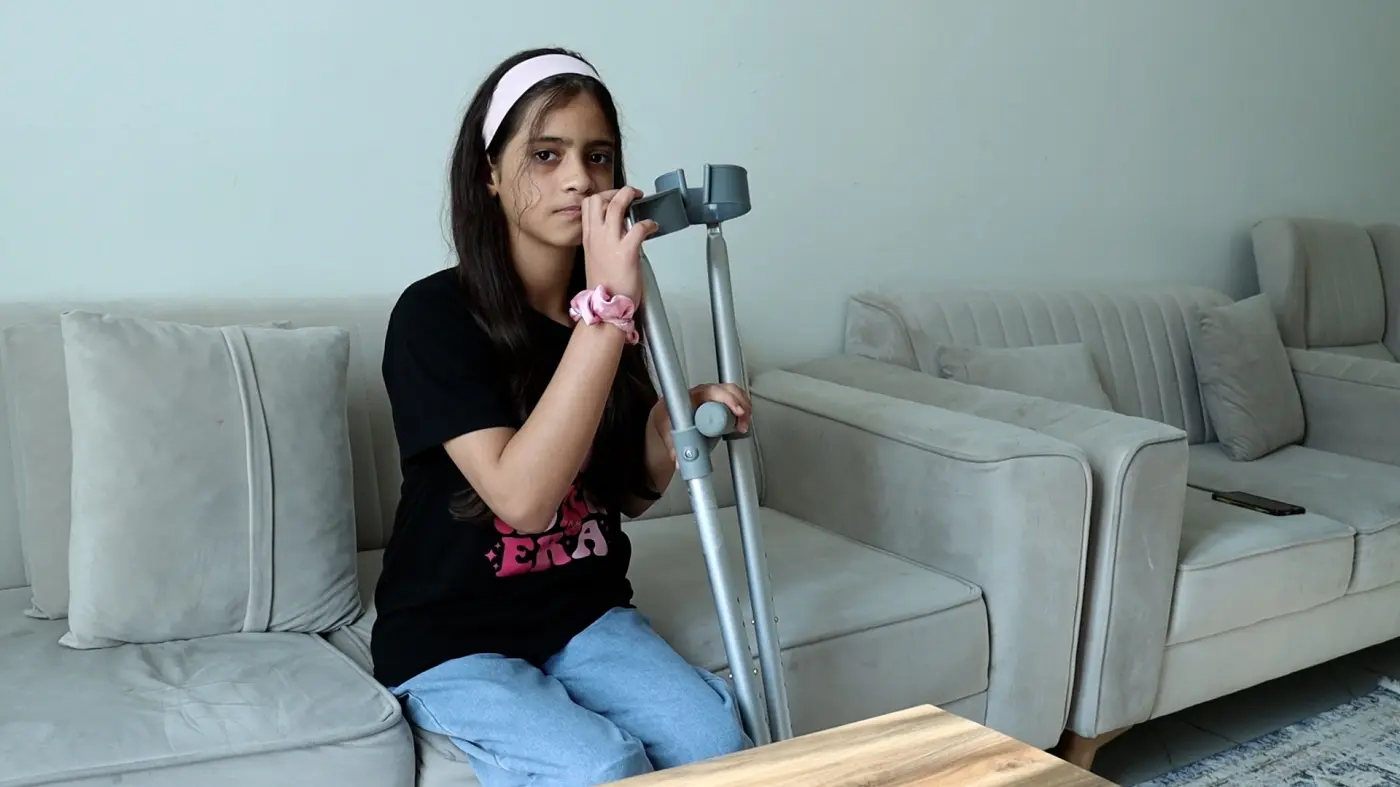
Gaza children speech loss and severe communication delays are now being reported by clinicians and aid workers amid the prolonged conflict in the Gaza Strip. Experts warn that psychological trauma — not just physical injury — is contributing to a wave of speech and developmental disruptions among the youngest survivors.
Trauma, Fear and the “Silent Suffering” of Gaza’s Youngest
Across health facilities in the Gaza Strip, Médecins Sans Frontières (MSF) and local specialists are documenting an uptick in children who suddenly stop speaking or regress in their language abilities following exposure to violence, bombardments and displacement. In some cases, clinicians cite functional loss of voice linked to extreme psychological distress after traumatic bombardments. These patterns underscore a broader crisis of childhood mental health in Gaza, where traditional communication milestones are being disrupted by relentless stress and loss. Al Jazeera’s latest coverage highlights growing concern about these speech disruptions as part of the “silent suffering” affecting young civilians.
Historical Context: Prior Signs of Speech and Trauma Problems
Concerns about war-induced speech issues are not entirely new. In September 2024, the United Nations reported that children in temporary shelters were experiencing a range of speech problems, including stuttering and loss of articulation, attributed largely to fear and anxiety from sustained conflict conditions. UN Geneva documented how fear of war was already causing speech problems among Gaza’s children, illustrating that communicative setbacks have been emerging alongside broader psychological trauma for years. These early observations provide continuity to current reports of regression in language skills.
Scale of the Crisis: Loss, Displacement and Mental Health Burdens
Recent data from a UNICEF initiative emphasizes the staggering breadth of trauma experienced by Gaza’s young population. Following two years of intense conflict, nearly one million children have been exposed to life‑altering traumatic events, with deep implications for emotional, cognitive and social development. UNICEF’s 2026 report stresses that such prolonged exposure not only threatens immediate wellbeing but also undermines long‑term recovery and learning capacity.
Another recent emergency update from UNICEF underscores that children continue to face catastrophic conditions — from widespread displacement to the destruction of homes and schools — compounding mental health challenges that can manifest in communication delays, regression in speech, and other developmental hurdles. UNICEF’s appeal for life‑saving support for children in Gaza illustrates how intertwined basic survival and psychological stability have become for families in the Strip.
Voices from the Field: Loss and Lingering Impact
Independent reporting has also surfaced heartbreaking cases of children in Gaza who, as they grow up amid conflict, show severe limitations in communication and social interaction. A year‑long feature by Index on Censorship highlighted children who remain silent far beyond the normal developmental windows for speech, suggesting that trauma — more than physical injury — is robbing many of their early voices. The 2025 analysis from Index on Censorship painted a stark picture of how silence can be both a symptom and a consequence of persistent violence.
Clinicians, educators and aid workers are now calling for urgent, expanded psychosocial support, specialized speech therapy programs, and safe learning environments to mitigate these developmental delays. Without sustained intervention, experts warn that many children who have lost or never developed core language skills may face lifelong educational and social disadvantages.
As the international community considers the long‑term recovery of Gaza, the emerging evidence of speech loss and deep psychological harm among its youngest residents underscores the urgency of comprehensive humanitarian, educational, and medical responses to support a generation growing up amid conflict.


