

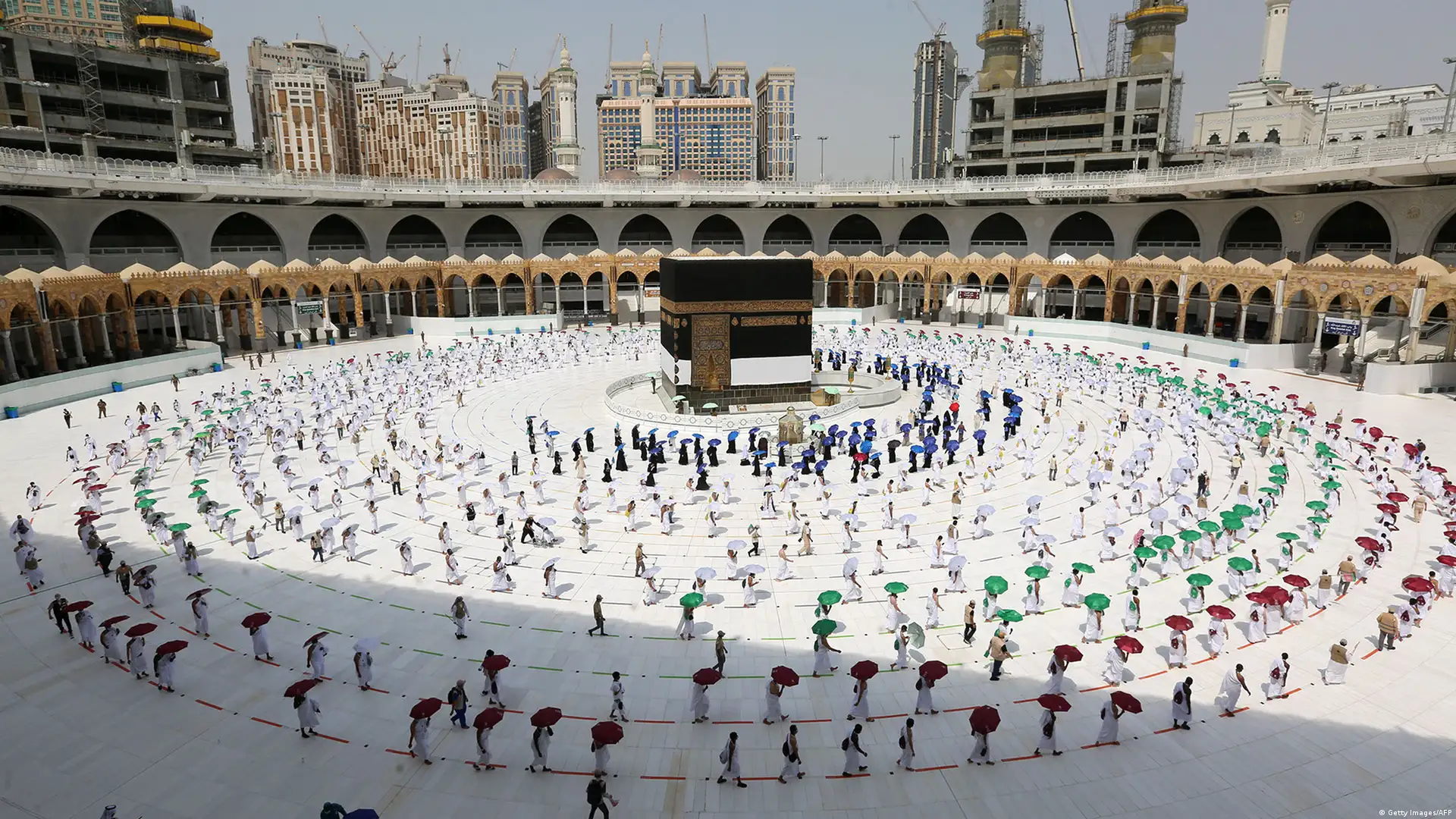
The situation has intensified humanitarian and religious concerns as families in the enclave say long-standing travel restrictions, security conditions, and border closures have made participation in the Hajj increasingly out of reach since the escalation of the conflict in 2023.
Gaza Hajj Ban extends a growing humanitarian and religious crisis
The Gaza Hajj Ban reflects a broader pattern of mobility restrictions affecting residents of the territory, where border crossings have remained heavily controlled amid ongoing hostilities and security operations.
Religious authorities and aid observers say the inability of Gazan Muslims to access the pilgrimage has become a recurring hardship, with limited or no organized departures reported in recent years due to tightened movement controls and logistical breakdowns.
In past coverage of Gaza’s deteriorating humanitarian conditions, agencies have repeatedly highlighted how travel restrictions compound daily life challenges, particularly during major religious observances such as Hajj and Ramadan.
For broader humanitarian context on the region’s conditions, see reporting from the United Nations Office for the Coordination of Humanitarian Affairs, which tracks ongoing access constraints and civilian impacts across Gaza and surrounding areas.
Religious impact and continued disruption to pilgrimage access
Islamic leaders in Gaza have described the inability to travel for Hajj as both a spiritual and emotional loss, particularly for older residents who may not get another opportunity to fulfill the obligation.
Families continue to express frustration over what they describe as an “invisible barrier” separating them from religious life beyond the enclave, even as global Muslim communities prepare annually for the pilgrimage.
International humanitarian organizations, including the International Committee of the Red Cross, have repeatedly documented how movement restrictions in conflict zones affect family unity, healthcare access, and religious freedoms.
Regional conflict backdrop shaping travel restrictions
The ongoing Israel-Gaza conflict, which escalated sharply in 2023, continues to shape border policy, security operations, and civilian mobility in the enclave, with knock-on effects for religious travel and international transit.
Analysts note that pilgrimage access has historically depended on coordinated approvals and border openings, which have become increasingly limited amid sustained instability.
For continued coverage of the broader conflict environment, see updates from Reuters Middle East reporting, which regularly covers developments affecting Gaza’s border crossings and regional diplomacy.
International attention and continuing uncertainty
The prolonged disruption has drawn continued international attention, with humanitarian observers warning that restrictions on religious movement risk deepening social and psychological strain in already affected communities.
As the situation evolves, residents remain uncertain whether Hajj travel will resume in future seasons or remain suspended under current conditions.
Further reporting on Gaza’s broader situation can be found through Al Jazeera’s Gaza coverage, which tracks developments across the territory.
Additional background and global context are available via BBC News Gaza topic coverage, which compiles ongoing reporting on the region.


