

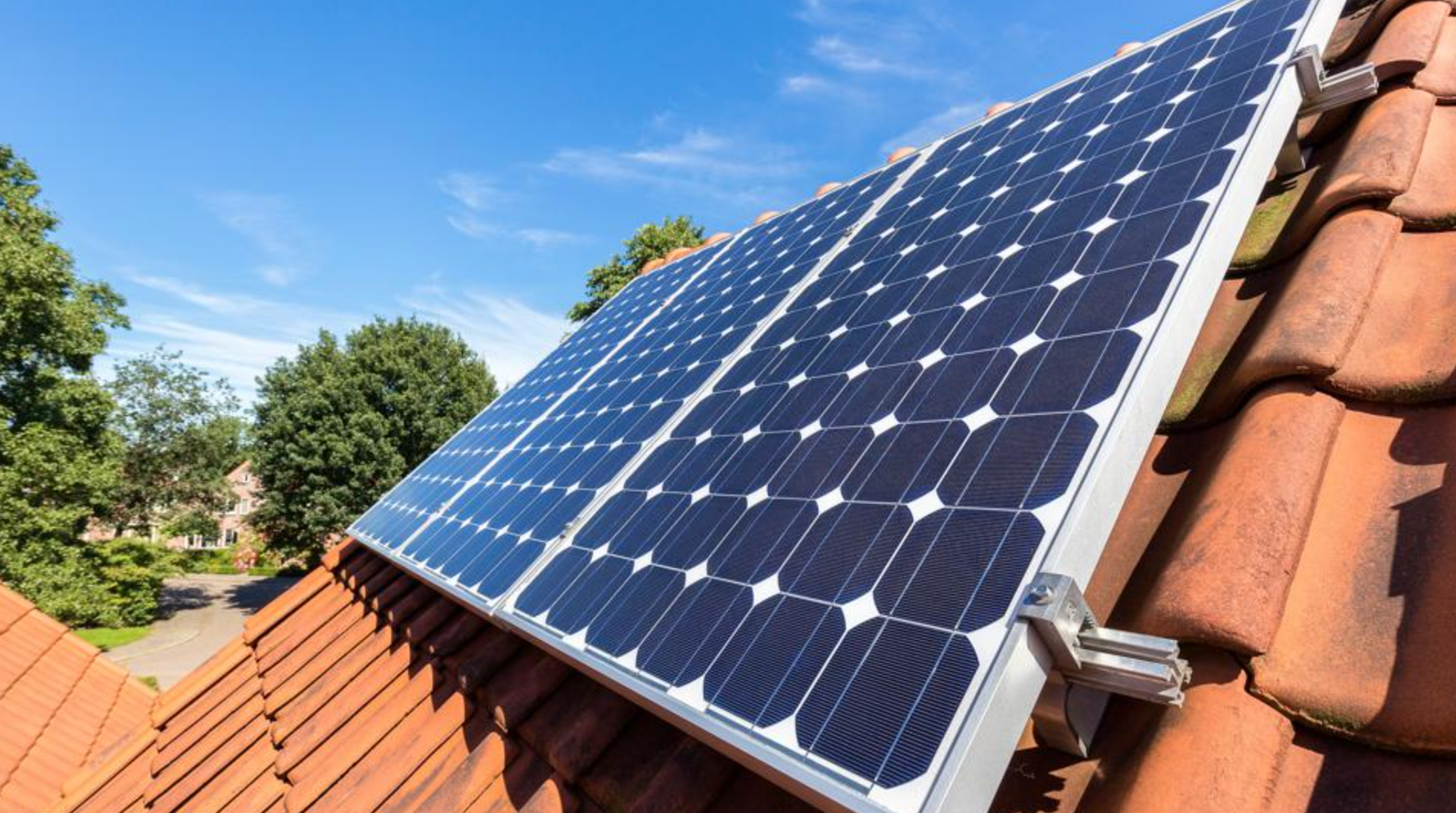
The development is being seen as part of a broader industrial transition toward renewable-backed hybrid energy models across South Asia.
Hybrid Solar System Powers Major Industrial Shift in Karachi
Pakistani salt producer HubSalt has entered a landmark agreement with Chinese energy firm LIVOLTEK to install a hybrid solar and battery storage solution at its Karachi facility.
The system integrates a 1.44MW solar photovoltaic plant with a 2.35MWh battery energy storage unit, significantly reducing reliance on diesel generators.
According to project details, the system is expected to displace around 360,000 litres of diesel annually while reducing operational emissions and improving energy efficiency across continuous industrial operations.
The project has been executed under an EPC model, with Optimizen collaborating alongside LIVOLTEK for engineering and deployment.
Source: Detailed project overview from The Express Tribune
Hybrid Solar System and Industrial Energy Transition
Industry analysts note that hybrid systems combining solar PV, battery storage, and diesel backup are increasingly being adopted in Pakistan due to fuel volatility and grid instability.
This model allows industries to prioritize solar energy while using diesel only as a backup, significantly lowering fuel consumption.
The HubSalt project alone is expected to generate significant cost savings and contribute to reduced carbon emissions, estimated at over 2,000 tons annually.
Source: Profit by Pakistan Today coverage of the hybrid energy deal
Hybrid Solar System Gains Momentum in Pakistan’s Industrial Sector
The adoption of hybrid energy systems is not new in Pakistan, but the scale of recent industrial deployments marks a significant turning point.
Similar systems are now being deployed across manufacturing and telecom sectors to offset rising diesel costs and improve energy reliability.
According to additional reporting, HubSalt’s transition represents one of the largest hybrid solar-plus-storage installations in Pakistan’s industrial salt sector.
Source: Arab News report on Pakistan’s solar-storage transition
Hybrid Solar System Reduces Fuel Dependency at Scale
The hybrid system enables automatic switching between solar, battery storage, and diesel generation depending on load demand and sunlight availability.
This reduces generator runtime and extends equipment lifespan while lowering operational costs.
Experts say such systems are particularly effective in Pakistan, where industrial zones often face unstable grid supply and rising fuel import costs.
Source: Trade Chronicle technical deployment details
Earlier Hybrid Solar System Projects Show Global Continuity
Hybrid solar technology has been evolving globally for years. Earlier implementations in industrial sectors demonstrate consistent fuel savings and improved energy stability.
A 2017 industrial deployment in East Africa showed that hybrid solar-diesel systems could reduce energy costs by up to 25%, setting early benchmarks for today’s large-scale installations.
Source: Early hybrid solar industrial case study (2017)
Modern Hybrid Solar System Models Build on Earlier Designs
More recent industrial studies highlight how hybrid systems have evolved with better battery storage integration and smart energy controllers.
In 2024, industry guides emphasized that modern hybrid systems can cut diesel consumption by 30–50% depending on load management and solar availability.
Source: Hybrid system efficiency and design overview (2024)
What This Means for Pakistan’s Energy Future
The expansion of hybrid solar systems in industrial sectors signals a long-term shift away from diesel-heavy energy dependency.
With rising fuel import costs and environmental pressures, hybrid models are increasingly viewed as a practical middle-ground solution.
Projects like HubSalt’s demonstrate how combining solar generation with battery storage can provide both reliability and sustainability for energy-intensive industries.


