

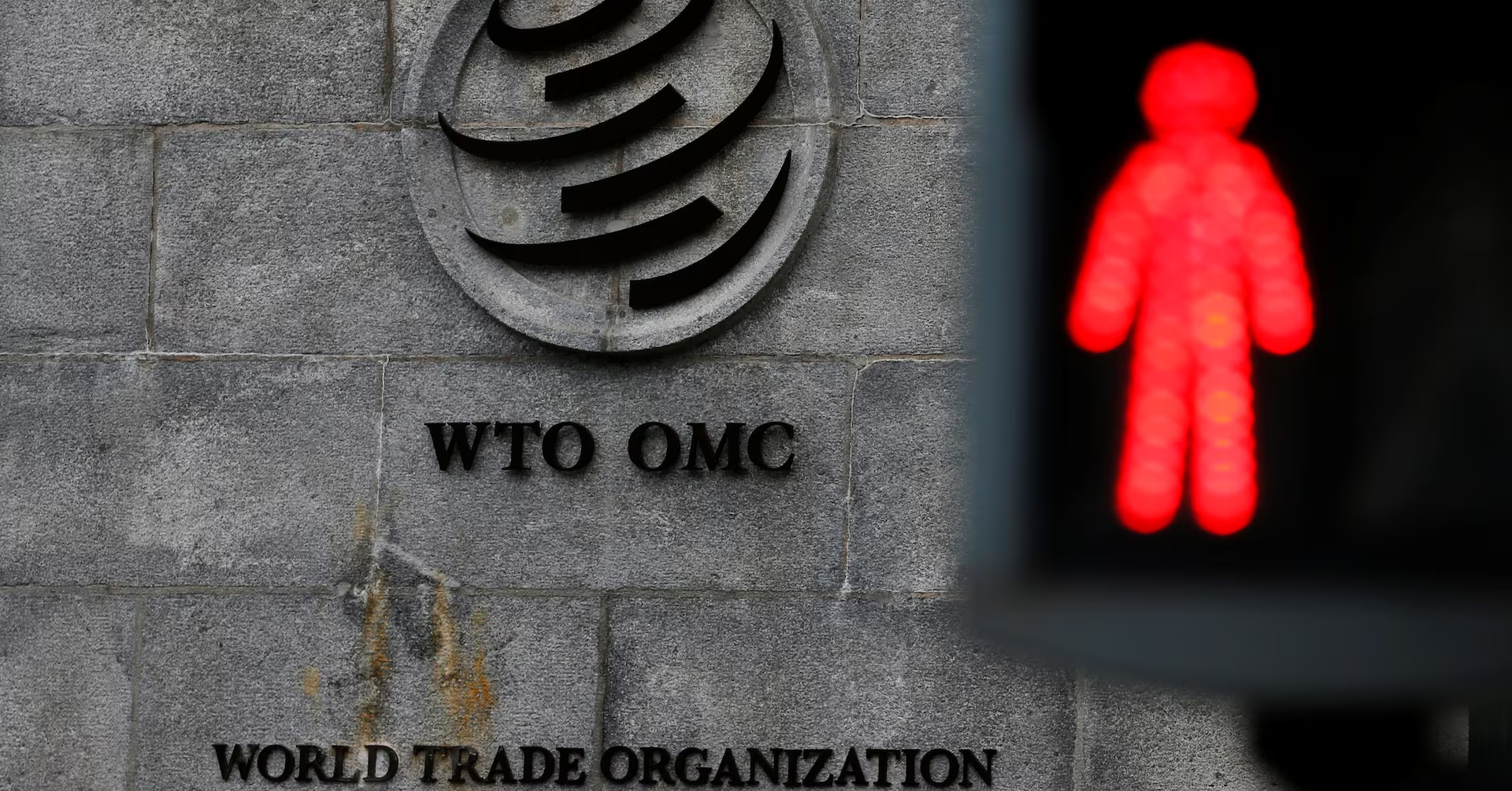
WTO budget cut deepens long-running institutional strain
The WTO budget cut marks one of the most significant financial constraints imposed on the Geneva-based body in recent years, reflecting mounting dissatisfaction among key contributors and persistent deadlock over governance reforms. Officials familiar with the negotiations say the reduction is expected to impact staffing, technical assistance programs, and the already constrained appellate functions of the organization.
The WTO, established to regulate international trade rules and resolve disputes between member nations, has faced increasing operational limitations since the paralysis of its appellate system. According to background information on the organization’s structure and mandate, the body relies heavily on consensus-driven funding and voluntary compliance mechanisms to enforce global trade rules
World Trade Organization overview.
WTO budget cut raises concerns over dispute settlement paralysis
One of the most affected areas is expected to be the WTO’s dispute settlement mechanism, particularly its appellate function, which has been under strain for years due to blocked judge appointments and unresolved reform negotiations. Analysts warn that further financial tightening could deepen the paralysis of the system and reduce its credibility as a global arbiter of trade conflicts.
The Appellate Body, once regarded as the crown jewel of global trade enforcement, has been unable to fully operate due to long-standing disagreements among member states over judicial appointments and procedural authority. More context on its structure and challenges can be found here:
WTO Appellate Body structure and challenges.
Funding pressures and global trade fragmentation
The budget reduction also reflects broader fragmentation in global trade governance. Over the past decade, rising protectionism, trade wars, and competing regional agreements have reduced reliance on multilateral mechanisms, weakening consensus on funding obligations for global institutions.
The WTO’s dispute resolution framework itself depends on member participation and enforcement cooperation, which has been increasingly inconsistent amid geopolitical tensions. The organization’s broader dispute settlement system, which underpins its enforcement capability, has been central to these debates:
WTO Dispute Settlement Body functions and limitations.
Historical context behind the WTO budget cut
The financial squeeze facing the WTO did not emerge overnight. Analysts point to years of stalled reforms, particularly after the collapse of negotiations on updating trade rules and the ongoing inability to restore full dispute resolution functionality. Earlier disruptions to judicial appointments and disagreements over institutional authority have steadily eroded confidence among member states.
The organization’s budget has remained largely flat in nominal terms for several years, even as global trade volume and complexity have expanded. This mismatch has intensified calls for structural reform, though progress remains limited due to deep divisions among major economies.
Outlook: uncertain future for global trade governance
The latest WTO budget cut underscores growing uncertainty about the future of multilateral trade governance. While member states continue to emphasize the importance of a rules-based global trading system, financial constraints and institutional deadlock threaten to reduce the WTO’s influence at a time of increasing economic fragmentation.
Without meaningful reform and renewed funding commitments, observers warn that the organization risks further marginalization in shaping global trade rules, leaving more disputes to be settled through bilateral or regional mechanisms rather than a unified global system.


