

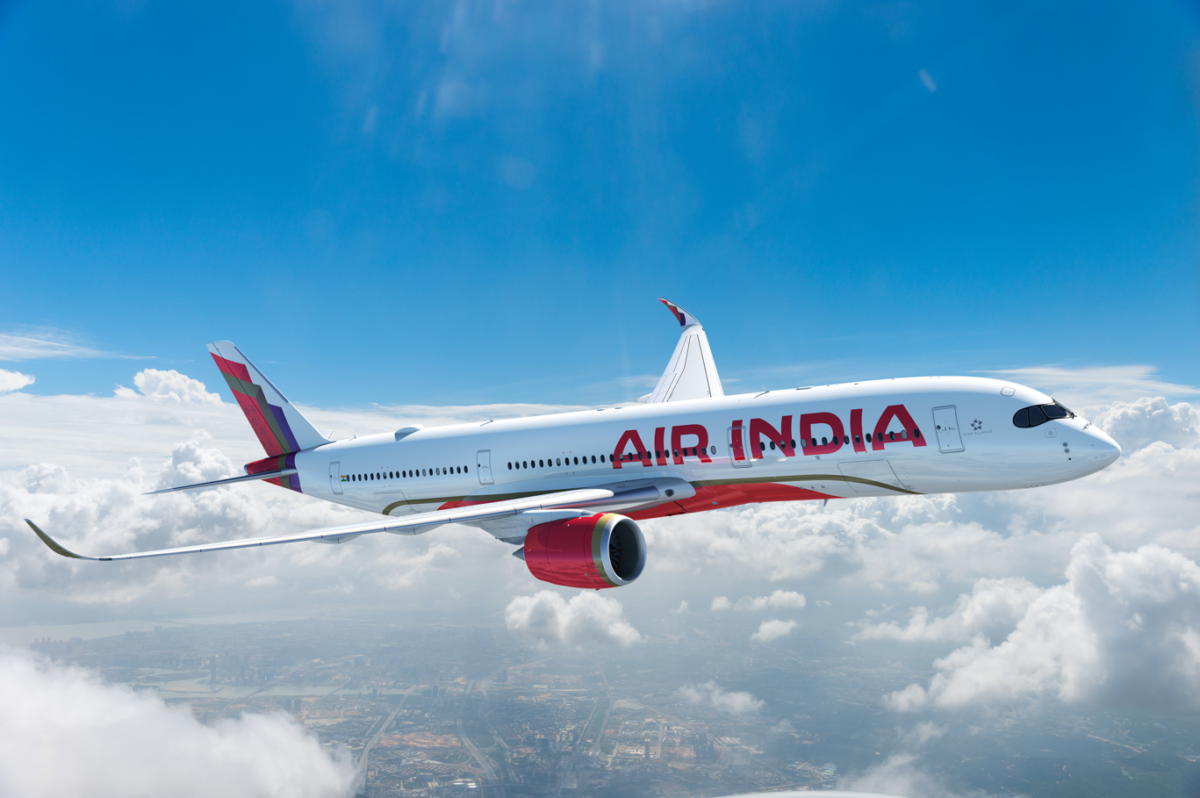
NEW DELHI — Indian airlines are facing a costly double blow as the Iran war constricts critical Middle East corridors while Pakistan’s long-running ban continues to block the shortest westbound routings, forcing longer, more expensive trips to Europe and the United States, March 11, 2026.
The result is not just a timetable problem. It is a structural disadvantage: Flights are taking longer, technical stops are returning to routes that had become nonstop, fuel burn is rising, and Indian carriers are losing time against foreign rivals that can still cross Pakistan.
Reuters reported Tuesday, citing Cirium data, that Air India and IndiGo did not operate 64% of their 1,230 scheduled flights to the Middle East, Europe and North America over the previous 10 days. The same report said Air India planned 78 additional flights on routes between India and Europe and the U.S. over the next week, even as one Delhi-New York service stretched to nearly 22 hours with a Rome stop and foreign rivals such as American Airlines kept a much shorter routing via Pakistan.
Why Indian airlines are being squeezed from both sides
For Indian carriers, the problem is geographic as much as political. Europe and North America sit to the west, and the most efficient paths from India typically rely on Pakistani airspace and, depending on the destination, corridors through parts of the Middle East. Once one side closed and the other became risky, the margin for operational improvisation shrank fast.
That is especially true for IndiGo’s growing long-haul push. Because several of its Europe services rely on Norse-leased, Norwegian-registered Boeing jets, EASA’s current conflict-zone bulletin applies to those aircraft and tells operators not to use affected airspace at any altitude across Bahrain, Iran, Iraq, Israel, Jordan, Kuwait, Lebanon, Oman, Qatar, the UAE and part of Saudi Arabia. That helps explain why some IndiGo flights have had to swing far south via Africa, adding time and complexity.
Air India has taken a different tack, leaning on schedule adjustments and selective extra capacity. In its latest Middle East travel advisory, the airline said it had resumed scheduled services to the U.S., Canada, Europe and the U.K., while also adding flights to Toronto, Frankfurt and Paris and using Rome technical stops on New York and Newark services when necessary.
What the latest detours mean for Indian airlines and their passengers
The commercial damage is already spilling into fares and network planning. In a March 10 fuel-surcharge notice, Air India said it would begin adding new charges to domestic and international bookings, including a $10 surcharge for West Asia and the Middle East from March 12, and higher Europe and North America surcharges from March 18. The airline also said aviation turbine fuel has jumped sharply since early March and now accounts for nearly 40% of operating costs.
This is not only an India story. Reuters reported on March 5 that more than 19,000 flights had already been cancelled across seven major Middle East airports and that jet fuel prices had surged as the conflict widened. For Indian airlines, though, the pain is magnified because the Pakistan overflight ban had already removed the most direct fallback route.
That competitive gap matters. Every extra hour in the air means more fuel, more crew complexity, tighter aircraft utilization and, on some sectors, less room for cargo. It also makes foreign carriers more attractive to passengers if they can offer faster westbound journeys with fewer disruptions.
Indian airlines have been heading toward this squeeze for nearly a year
The current shock did not begin this month. When Pakistan first barred Indian carriers from its airspace in April 2025, airlines were already warning about longer block times, rejigged crew rosters and route suspensions, with IndiGo among the carriers forced to adjust roughly 50 international sectors and pause some Central Asian services.
By early summer, the issue had widened from a bilateral dispute into a broader aviation problem. Reuters noted in June 2025 that proliferating conflict zones were making flight planning less predictable and more expensive, with airlines across Europe, Asia and the Middle East navigating fewer safe corridors and greater exposure to last-minute disruptions.
And by late 2025, the workarounds themselves were growing more ambitious. Reuters reported in November that Air India was lobbying for access to a Chinese route over Xinjiang to shorten journeys to the U.S., Canada and Europe, a sign that the Pakistan closure had moved from inconvenience to strategic constraint.
That is why the Iran war lands so heavily on Indian carriers now. Pakistan’s ban had already lengthened westbound flying and inflated fuel use; the new Middle East restrictions squeeze the remaining options just as Air India and IndiGo are trying to build scale abroad. Air India has already forecast a $600 million annual hit from the Pakistan ban alone, so any prolonged disruption around Iran turns a painful detour into a deeper profitability problem. Unless one of those chokepoints eases, the likely outcome is more schedule padding, more technical stops, more fare pressure and a longer period in which Indian airlines remain commercially slower than their overseas rivals.


