
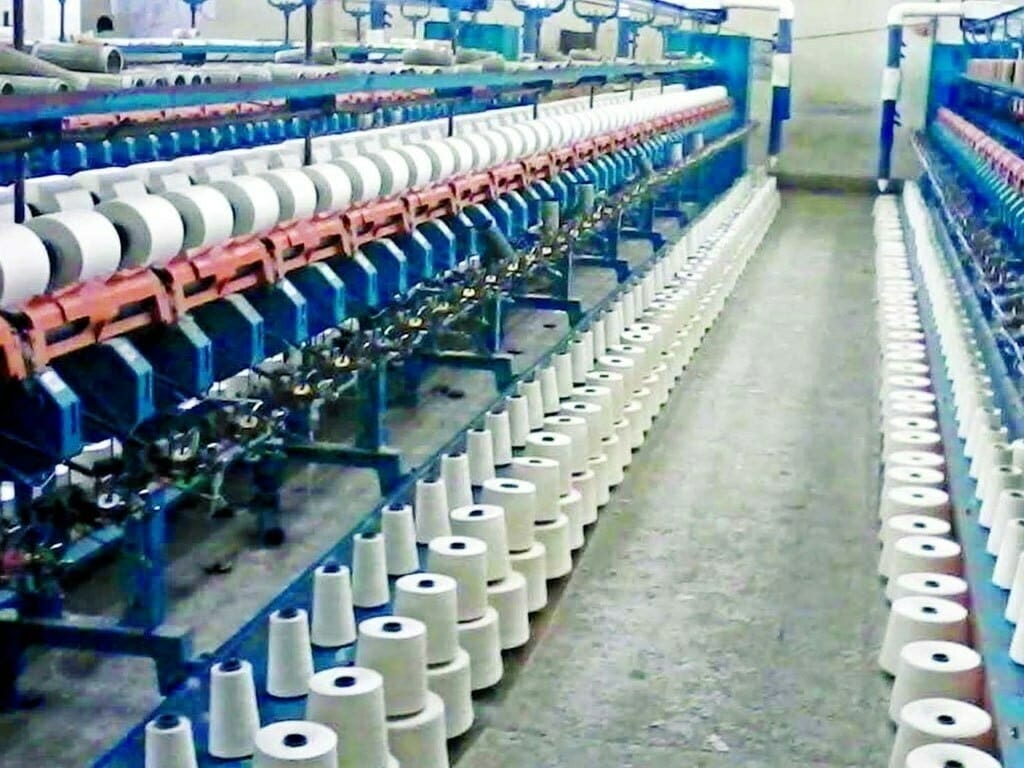
AHMEDABAD, India — Indian cotton yarn exporters in Gujarat are ramping up output this month and shipping more yarn to China as war-driven disruptions across Middle East trade routes cut into rival supplies and steer buyers toward India. Delays in cotton arrivals from the United States and Brazil, tight Chinese availability and a weaker rupee against the yuan are making Indian yarn more competitive, April 23, 2026.
According to a Reuters report from Gujarat, monthly shipments from India to China have climbed to about 1,500 containers, or roughly 30,000 tonnes, since November, up from an average of about 300 containers earlier. The same report said Fiotex Cotspin’s export order book has expanded 40% in recent months, with the mill running at full capacity and bookings secured “until June.”
Why Indian cotton yarn exports are rising now
China’s dependence on imported fibre and yarn is amplifying the shift. Traders told Reuters that Chinese buyers are leaning more heavily on Indian suppliers because India is closer, faster to ship and easier to price in a period when freight risk has jumped. The move is also being helped by tighter polyester supply, which has made cotton more attractive again in parts of the market.
A USDA cotton-and-products annual report published this month said raw cotton exports from India were down 51% by volume in February from a year earlier and warned that higher freight and insurance bills tied to geopolitical tensions could lift war-risk premiums further. In that environment, value-added shipments such as yarn matter more because mills can protect margins better than they can in raw fibre trade.
The domestic supply picture remains important. The latest Cotton Association of India crop estimate raised 2025-26 cotton pressing to 320.50 lakh bales, projected imports at 47 lakh bales and kept raw cotton exports at 15 lakh bales. That combination suggests Indian mills have enough material to chase export orders, but not so much that raw cotton trade becomes the easier profit pool.
Broader export data show the sector still has a base to build on. Ministry of Textiles figures show India’s textile exports, including handicrafts, grew 2.1% in FY 2025-26, while cotton yarn, fabrics, made-ups and handloom products edged up to ₹1,02,399.7 crore.
What Indian cotton yarn exports mean for mills and buyers
The gains are not evenly spread. Gujarat mills sit near cotton-growing districts and exporting ports, which lowers inland freight and speeds up turnaround. Tamil Nadu, despite housing thousands of spinning units, often has to source cotton from western and central India and then move finished yarn back to port, making some export business less attractive. That geography is helping Gujarat capture a disproportionate share of the China orders.
For Chinese buyers, the arithmetic is simple: Indian yarn is nearby, relatively cheaper and available now. For Indian mills, this is a rare bright spot in a manufacturing environment where higher input costs and supply-chain stress have hurt many factories. The current demand spike does not solve the industry’s structural issues, but it does improve cash realization for spinners able to move quickly.
The latest burst in Indian cotton yarn exports also fits a longer pattern. A 2017 Business Standard report described how higher Chinese cotton prices were already reviving interest in Indian yarn, while Reuters reported in early 2024 that Red Sea attacks had doubled shipping costs for many Indian exporters and added weeks to transit times. Today’s rally looks like those earlier pressures converging at once: stronger Chinese buying on one side and disrupted logistics on the other.
For now, Indian cotton yarn exports look set to remain one of the few clear winners from a trade environment that is hurting much of the wider manufacturing base. Whether that momentum lasts will depend on how long shipping routes remain unstable, whether Chinese mills keep booking through the summer and how comfortably Indian spinners can manage fibre costs without sacrificing margin.