Why the Druzhba pipeline restart matters
For Kyiv, the dispute was never just about transit or refinery supply. Reuters reported that Ukraine had been pushing Brussels to act because the package is central to its 2026 financing plan and economists warned the country could start running short of money by June without it. The European Commission had already prepared a first €45 billion tranche for 2026, leaving the pipeline deadlock as the last major political obstacle.
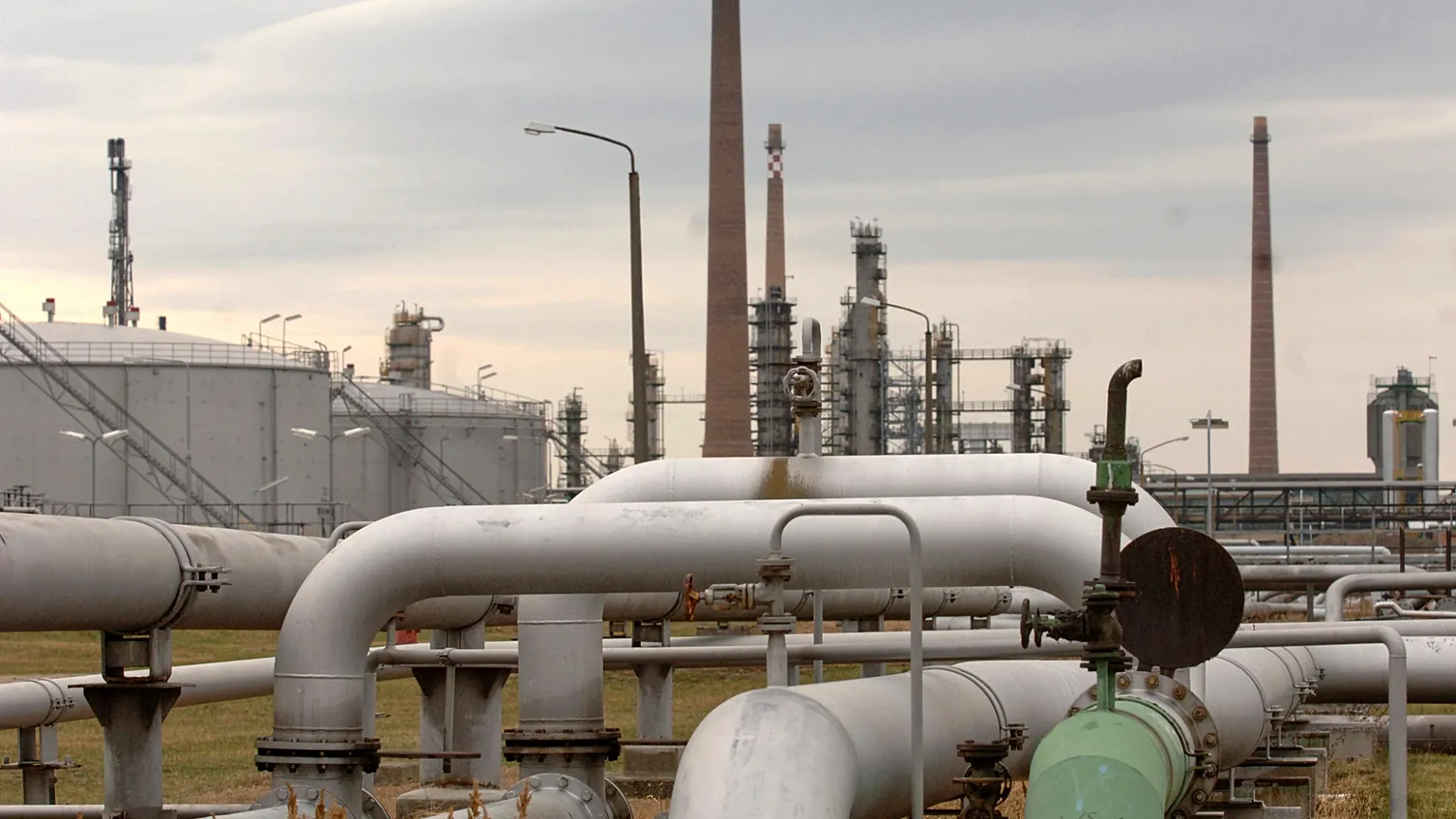
For Hungary and Slovakia, the route remains strategically important because both countries still rely heavily on Russian crude even as most of the EU has tried to unwind those ties since Moscow’s full-scale invasion in 2022. That has left the Soviet-built Druzhba, or Friendship, system functioning not only as an energy corridor but also as leverage inside wider arguments over sanctions, aid and wartime burden-sharing.
The Druzhba pipeline dispute has been building for years
This is not the first time the Druzhba pipeline has rattled European policymaking. In August 2022, a sanctions-linked payment dispute briefly halted southern-branch flows. In July 2024, Ukraine’s sanctions on Lukoil again disrupted deliveries and exposed how fragile the remaining route had become. And in March 2025, shipments resumed only after a suspension linked to a drone attack, underscoring how easily the line can be pulled into the war.
That history helps explain why the latest restart carried so much political weight. The current outage began in January after damage in western Ukraine that Kyiv blamed on a Russian strike, while Hungary and Slovakia accused Ukraine of dragging out repairs. Once crude started moving again on Wednesday, the standoff over the loan broke almost immediately.
What happens next after the Druzhba pipeline breakthrough
The Council says the €90 billion facility is meant to cover Ukraine’s most urgent budgetary and defense-industrial needs through 2027, with disbursements expected to begin as soon as possible in the second quarter. In the Council’s words, “loan disbursements will start flowing as soon as possible,” signaling that Brussels wants the money moving before Ukraine’s financing pressure deepens.
The immediate test is whether the pipeline stays operational and whether the political bargain around it holds. If flows remain steady, the Druzhba pipeline may retreat to the background as infrastructure. If they do not, Europe could again find that a single oil corridor is shaping decisions far beyond energy.