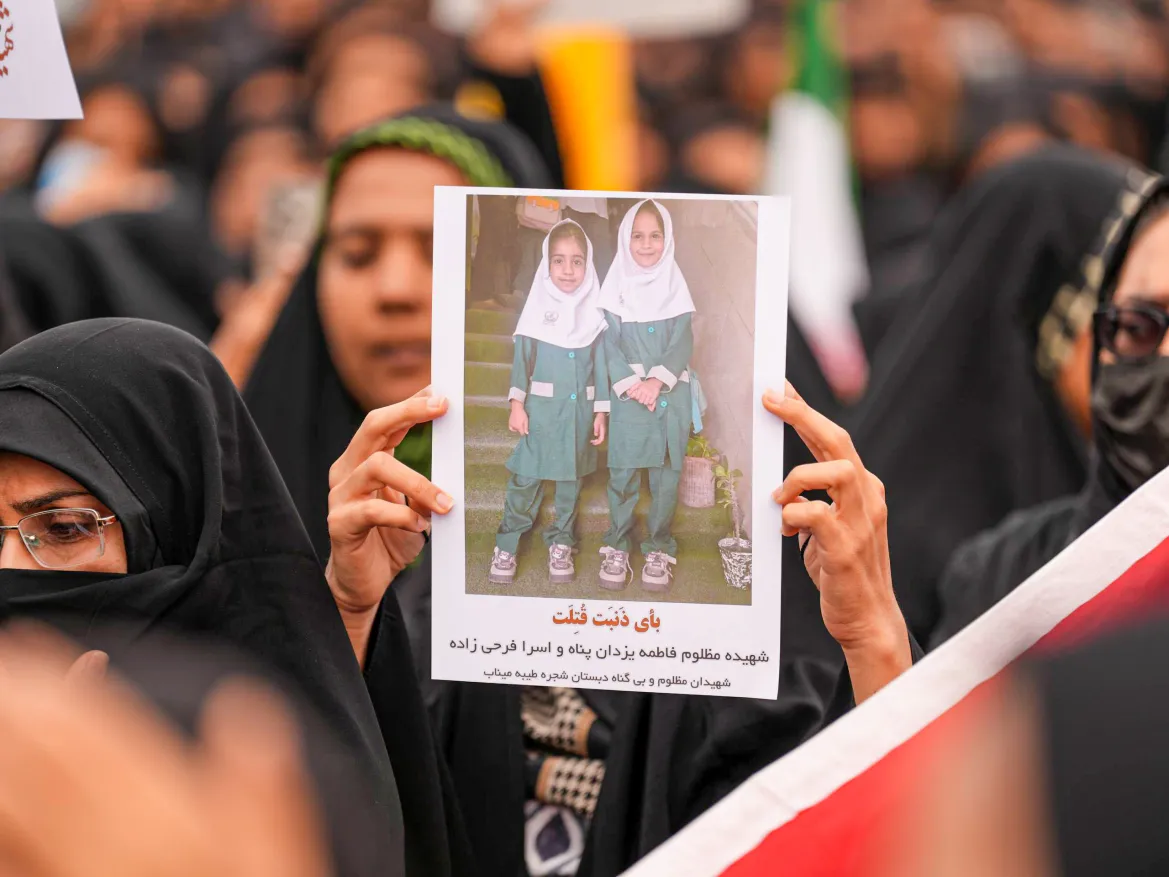
GENEVA — An independent U.N. fact-finding mission and a separate panel of U.N. experts on Wednesday condemned the reported strike on a girls’ primary school in Minab, Iran, while saying the wider exchange of Israeli, U.S. and Iranian attacks ran counter to the U.N. Charter and international law. The Iran school strike sharply intensified pressure for an investigation after reports said more than 160 schoolgirls were killed at the Shajareh Tayyebeh girls’ primary school in Hormozgan province, March 4.
In a Reuters report on the mission’s remarks, the Independent International Fact-Finding Mission on Iran said the attacks on Iran by Israel and the United States, followed by Tehran’s retaliatory strikes across the region, ran counter to the U.N. Charter. The mission said all parties remain bound by international humanitarian law, including the principles of distinction, proportionality and precaution.
Iran school strike brings sharper U.N. scrutiny
U.N.-backed experts at the Office of the High Commissioner for Human Rights said the strike on the Minab school killed over 160 schoolgirls and injured many others, while attacks on hospitals, densely populated areas and the Iranian Red Crescent were also reported. In the mission’s own statement, investigators said more than 150 students and teachers were reportedly killed, and that most victims appeared to be girls ages 7 to 12.
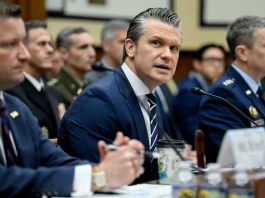
The U.N. human rights office also said in a March 3 briefing note that High Commissioner Volker Turk wants a prompt, impartial and thorough investigation into the school bombing, with findings made public and accountability and redress provided to victims. That demand hardened after Reuters reported on Monday that Secretary of State Marco Rubio said U.S. forces would not deliberately target a school and that the Pentagon would investigate if the strike had been carried out by the United States, while Israel said it was looking into the incident.
For the fact-finding mission, Minab is not only a single atrocity allegation but part of a broader warning about civilians trapped between a widening military campaign and a state with a long record of repression. The mission also flagged internet restrictions, threats to detainees and the risk that wartime conditions could deepen abuses inside Iran.
Iran school strike fits a longer record of alarm
The weight of the latest U.N. language also comes from history. In June 2025 Reuters reporting, the same fact-finding mission said some earlier strikes on Iran may have violated international humanitarian law after civilians, aid workers and medical facilities were hit.
That mandate was shaped by earlier findings as well. In March 2024, Reuters reported that the mission said Mahsa Amini’s death in custody was unlawful and that abuses during the protest crackdown included violations that may amount to crimes against humanity. Long before the Minab bombing, girls’ schools had already become a source of national alarm inside Iran; Reuters documented in 2023 a wave of suspected poison attacks on schoolgirls that rattled families and drew international concern.
Seen in that continuum, the Minab bombing lands as more than a wartime headline. It sits against a backdrop in which education, gender and state violence have repeatedly intersected in Iran, and in which international investigations have been warning for years about impunity and civilian harm.
For now, the U.N.’s wording is unusually direct. The attack on the school in Minab has become a focal point in the legal and political debate around the widening conflict, even as casualty figures remain reported totals and responsibility has not been publicly established by an independent investigation.