
ISTANBUL, Turkey — NATO air and missile defense systems shot down an Iranian ballistic missile headed toward Turkish airspace Wednesday after it crossed Iraq and Syria, with debris falling in Hatay province and no casualties reported, March 4. The interception brought the widening U.S.-Israeli conflict with Iran to the edge of NATO territory and raised fresh questions about whether Ankara could seek alliance consultations if Tehran’s fire spills over again.
Turkey’s defense ministry said, in a Reuters report on the interception, that the missile was engaged over the eastern Mediterranean and that debris from the interceptor landed in the Dörtyol district of Hatay. Officials did not say where the Iranian missile was meant to land, but the ministry warned that “all necessary steps to defend our territory and airspace will be taken” and said Turkey reserved the right to respond to hostile acts.
Turkey missile intercept raises pressure on Ankara and NATO
The incident lands at a delicate moment for Turkey, which shares a long border with Iran and had tried to mediate before the fighting erupted. The broader crisis began days earlier with Operation Epic Fury, the U.S. campaign that used Tomahawk missiles, stealth aircraft and one-way attack drones in strikes inside Iran. By Tuesday, the conflict had already spread across the Gulf, hitting energy infrastructure, shipping and regional markets — a reminder that even a single missile entering Turkish airspace can carry consequences far beyond one border incident.
Ankara has not signaled that it is about to seek formal alliance action, but the option remains open. Under NATO’s Article 4 consultation process, any member can ask allies for talks when its territorial integrity, political independence or security is threatened. That is still a step short of Article 5, and for now Turkey has signaled restraint even as it warns Iran against further escalation.
What happens next after the Turkey missile intercept
The immediate question is whether this was an isolated spillover or a sign that Iranian missile trajectories are now brushing NATO territory as the crisis expands. Turkey is likely to keep coordinating closely with allies while trying to preserve room for diplomacy, especially because officials have not publicly identified the missile’s intended target. Any repeat incident near Hatay — or near other sensitive sites in southern Turkey — would make the political pressure on Ankara much harder to contain.
NATO also faces a messaging test. The alliance has already condemned Iran’s targeting of Turkey, but its next moves will depend less on rhetoric than on whether Ankara asks for consultations, whether more missiles or drones threaten allied territory, and whether commanders harden the eastern Mediterranean posture further.
Longer context behind the latest strike
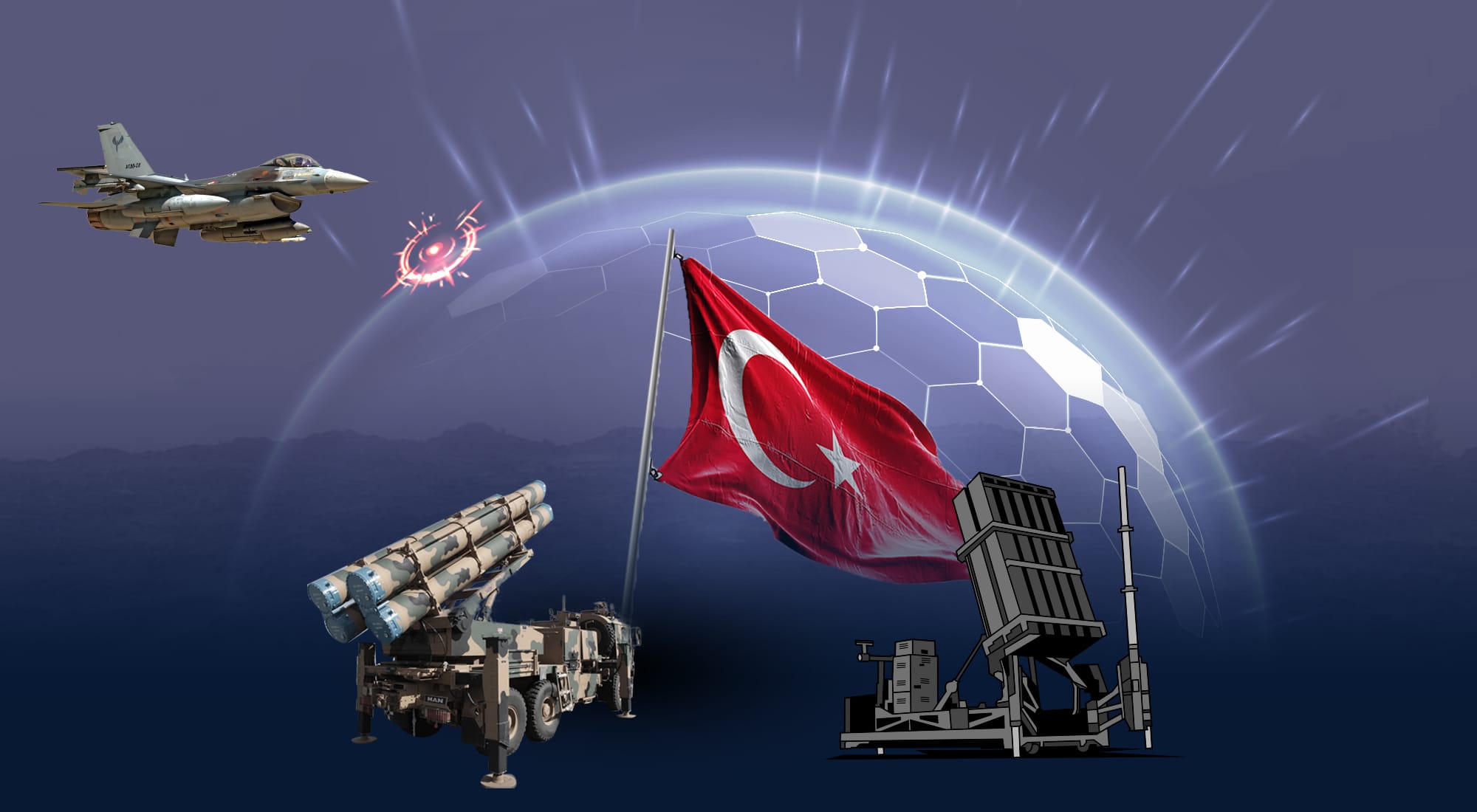
This crisis did not appear out of nowhere. In April 2024, Iran launched more than 200 drones and missiles at Israel in its first direct attack on Israeli territory, turning years of shadow conflict into open missile warfare. Months later, President Recep Tayyip Erdogan said Turkey wanted its own “Steel Dome” air-defense system, a sign that Ankara saw a more missile-saturated region taking shape. And well before that, NATO had deployed Patriot batteries in Turkey to help defend the alliance’s southern flank during an earlier regional crisis.
Taken together, those episodes make the March 4 interception more than a one-day headline. It is the clearest sign yet that a conflict that began with U.S. and Israeli strikes on Iran can now touch NATO airspace directly, forcing Turkey to balance restraint, deterrence and alliance politics in real time.