Istanbul: Turkish officials say a Turkish-German family of four found dead in a boutique hotel in the Fatih district this month while on vacation were probably poisoned by phosphine gas released from a pesticide that was spread at the property, and police have so far detained 11 people in connection with the case. Investigators suspect that phosphine gas, which is deadly to humans, infiltrated the Böcek family’s room after a product containing aluminum phosphide was sprayed into a neighboring room for extermination purposes against bedbugs, turning what was supposed to be a short city break into a high-stakes test of Turkey’s hotel safety regulations on Nov. 27, 2025.
Autopsy connects phosphine gas to hotel fumigation.
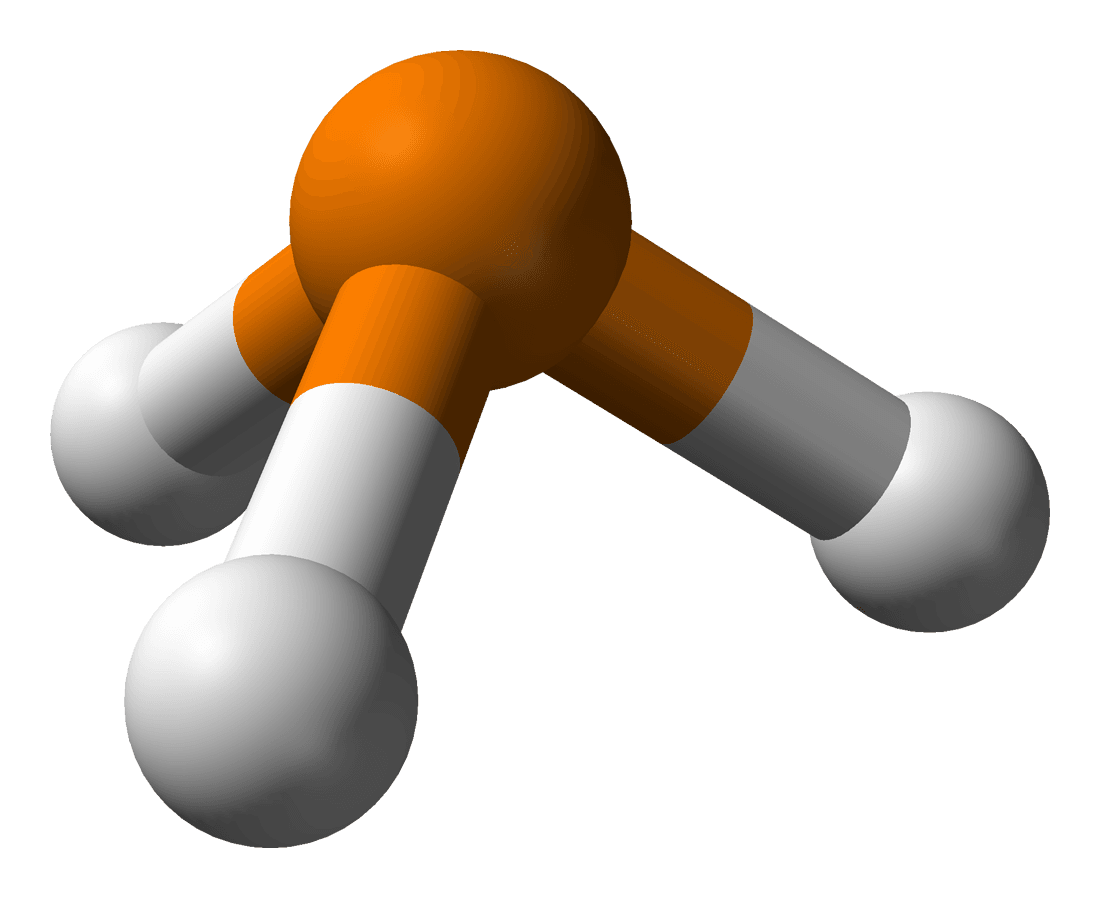
A preliminary autopsy report shared with the Istanbul chief prosecutor’s office detected phosphine gas, an extremely toxic substance released when aluminum phosphide pellets are exposed to air, on towels, face masks, and swab samples taken from different surfaces inside the family’s room at Harbour Suites Old City, state-run Anadolu Agency said Tuesday and international reports such as an Associated Press story showed. The report, part of which has not been publicly released, also indicated that no dangerous substances were found in samples taken from the food the family had eaten, effectively discounting earlier fears that anything from tainted mussels to other street food might have been responsible.
Servet and Çiğdem Böcek, their 6-year-old son Kadir Muhammet, and daughter Masal, 3, had come from the German city of Hamburg to visit Istanbul on Nov. 9 for a five-day holiday. On Nov. 12, they suddenly became nauseated, began vomiting, and felt dizzy after a day of sightseeing and eating in the waterfront district of Ortaköy; they were treated at a nearby hospital but discharged hours later, seemingly healthy, only to deteriorate anew several hours later. The children died on Nov. 13, their mother a day later, and their father on the 17th, after he had been in intensive care for several days, according to reports from Turkish and international outlets.
Two other tourists from his hotel were later admitted to the hospital with similar symptoms, and teams from Istanbul’s health and agriculture directorates evacuated the building and sealed it. At the same time, experts gathered bedding, air, and water samples. Officials say the hotel will not reopen while the forensic medicine institute carries out toxicology tests and establishes whether phosphine gas poisoning was really the cause of death.
NYPD makes 11 arrests as investigation expands from hotel staff
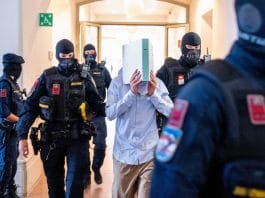
Eleven people have been detained or arrested in the poisoning probe so far, including the hotel’s owner, two employees, the head of the pest-control company, and workers who carried out the fumigation, according to Istanbul prosecutors. Four suspects, a mussel seller, a 43-year-old café owner, and two street vendors of kokoreç (a traditional grilled dish using lamb’s intestines)and Turkish delight, have been imprisoned on charges related to the investigation despite negative laboratory tests suggesting that no toxins were found in food samples, independent outlet Turkish Minute reported. Equality Minister Yılmaz Tunç said on social media that an inquiry would be conducted rigorously. In contrast, lawyers for some of the suspects say their clients abided by the rules at the time and have attributed the disaster to weak regulation and enforcement.
Phosphine gas has been misused before
The loss of life in Istanbul appears to be the latest of a string of deaths around the world, associated with misused aluminum phosphide and its resulting generation of phosphine gas. In Amarillo, Texas, four children were killed in 2017 after a relative placed aluminum phosphide pellets under a mobile home to kill rodents. Then they sprayed water on them, creating phosphine gas that accumulated inside the house, prompting the state’s agriculture department to issue a 2017 statement saying the pesticide is restricted for use by licensed professionals. In London, a woman got a suspended jail sentence in 2024 after breaking the law by smuggling aluminum phosphide to battle bedbugs; prosecutors said that phosphine gas leaked from her flat killed 11-year-old neighbor Fatiha Sabrin on her birthday and left another child hospitalized, according to a court report in The Guardian in 2024.
Public-health experts point out that Turkey has already experienced fatal outcomes from misuse of phosphine-based fumigants. In 2023, a mother and child died, and 10 other people were hospitalized after phosphine made from the use of aluminum phosphide in an effort to kill bedbugs spread through an apartment building, according to prior reporting that has resurfaced with coverage of the current case. Such warnings, experts say, highlight the small margin for error when chemicals like these are deployed in enclosed, poorly ventilated spaces.
A review of oversight and medical response
In the wake of the deaths in the Böcek family, Turkish commentators and medical experts are questioning whether regulators and doctors missed opportunities to avert such a disaster. Investigations reported by foreign media indicate that the hotel might have used an unlicensed pest-control company and that the room was returned to service after about 90 minutes — in violation of safety guidelines that warn that spaces exposed to phosphine gas should be sealed off and ventilated for days. Critics have also asked why the first hospital that treated the family reportedly fixated on food poisoning, and sent them home despite clusters of vomiting, abdominal pain, and crashing blood pressure after a hotel stay — classic red flags for toxic inhalation.
What travelers can do — and what they shouldn’t
Experts emphasise — and many worried individuals ask — whether there is anything individual travellers can do to protect themselves from invisible threats like phosphine gas, which is colourless (and may smell only faintly of garlic or rotting fish, even at dangerous concentrations). Still, they advise checking with hotels to see whether rooms have recently been fumigated, requesting a different floor if pest-control work was done very recently near a planned hotel room, and letting emergency doctors know as soon as possible about recent fumigation, unusual odors, or simultaneous illnesses among people from the same building. Ultimately, they said, only stricter regulation, increased training for pest-control workers, and quick recognition of poisoning in emergency rooms will keep another family’s time away from home from playing out as the Böceks’ did.