

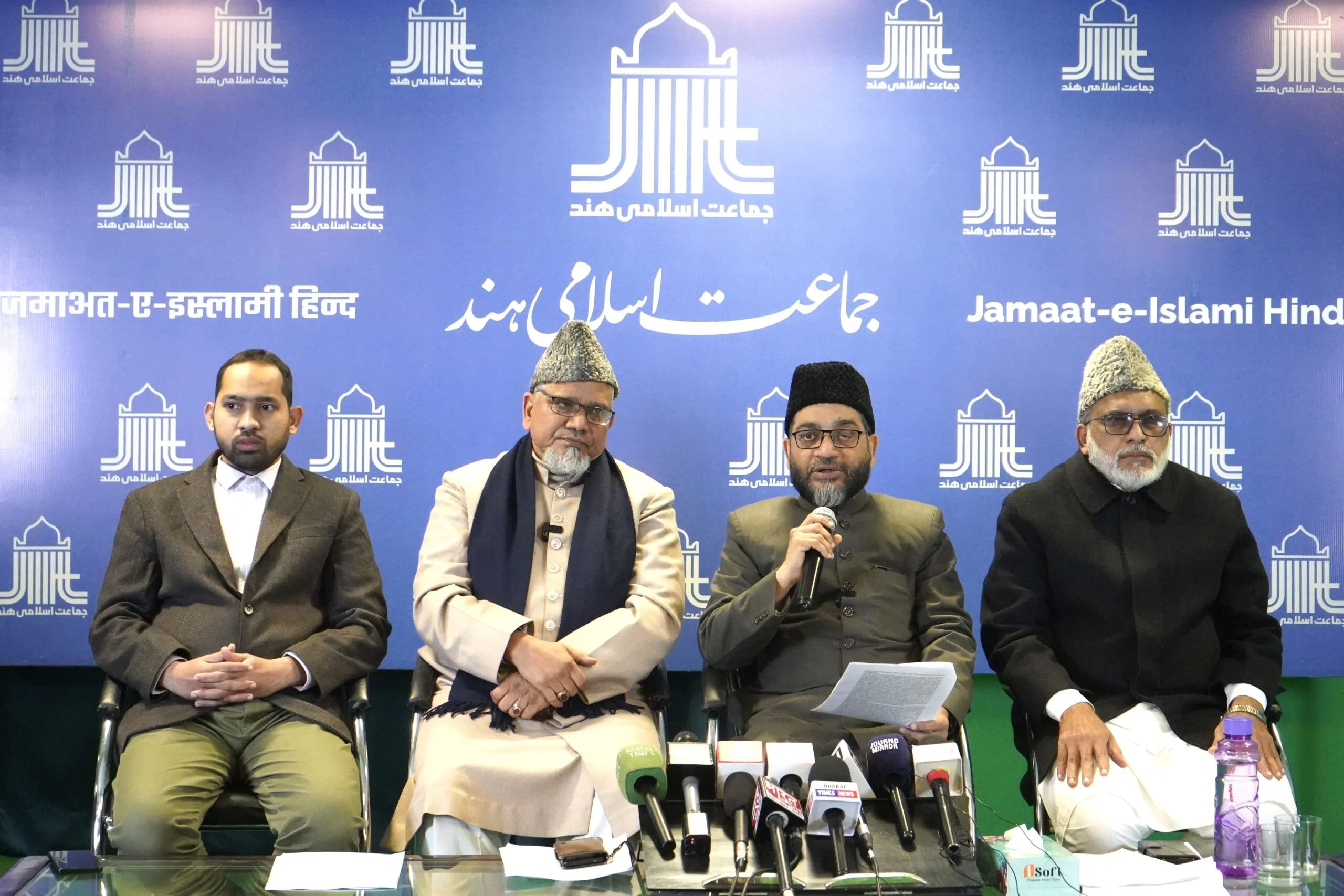
DHAKA, Bangladesh — Jamaat-e-Islami is heading into Bangladesh’s Feb. 12 parliamentary election with a new Gen-Z partner and a retooled “welfare” pitch, while the Awami League remains shut out of the race, Jan. 21, 2026.
The reshaped field has sharpened anxiety among secular activists, women’s rights groups and minority leaders who say the contest is becoming a test of whether Jamaat-e-Islami’s moderation campaign is a durable shift or a tactical rebrand.
Jamaat-e-Islami’s alliance math: NCP tie-up
Jamaat-e-Islami leaders say the party will contest 179 constituencies and that allies will share another 74, leaving 47 seats still under negotiation, according to a Reuters report. A breakdown published by The Daily Star said the deal allocates 30 seats to the National Citizen Party (NCP), with the remainder split among smaller Islamist and opposition groups.
Jamaat-e-Islami chief Shafiqur Rahman told Reuters the party has “started welfare politics, not reactionary politics,” pointing to medical camps and disaster relief as proof of a different kind of organizing. Jamaat-e-Islami has also highlighted symbolic outreach, including nominating a Hindu candidate and condemning attacks on minorities, Reuters reported.
The tie-up, however, has also exposed the NCP’s growing pains. Reuters reported that at least 30 senior NCP leaders opposed the pact, with some resigning, in a Dec. 29 story. NCP convener Nahid Islam defended the alliance as an attempt to hold the election together amid fears of violence, saying, “for the sake of greater unity, we have reached an electoral understanding with Jamaat.”
Awami League ban reshapes the field
Bangladesh’s election commission set Feb. 12 as polling day for the first national vote since the 2024 mass uprising, with more than 127 million eligible voters, the Associated Press reported. The same report noted that the Yunus-led interim administration’s ban on Awami League activity means the former governing party cannot join the race.
The interim government announced the Awami League ban in May under the Anti-Terrorism Act, framing it as necessary while tribunal cases tied to protest deaths proceed; Law Affairs Adviser Asif Nazrul said the move was aimed at “ensuring national security and sovereignty,” according to an earlier AP report. With Awami League sidelined, scrutiny has intensified on Jamaat-e-Islami’s platform — including questions about women’s participation after Reuters reported the party has fielded no women candidates for the 300 elected seats.
Jamaat-e-Islami’s long arc: from court ban to comeback
The party’s rise in 2026 is the latest turn in a long political cycle. In 2013, Bangladesh’s High Court declared Jamaat-e-Islami’s registration illegal, effectively barring it from elections, Reuters reported. During Sheikh Hasina’s rule, several senior Jamaat figures were convicted in war crimes cases tied to the 1971 independence war; in 2016, Jamaat-e-Islami leader Motiur Rahman Nizami was executed after a conviction, as described by Time.
After Hasina fled in August 2024, Bangladesh’s caretaker government revoked a ban on Jamaat-e-Islami and affiliated groups, saying it found no evidence of involvement in “terrorist activities,” Reuters reported. That decision, followed by Jamaat-e-Islami’s alliance-building, has helped set the stage for its strongest electoral bid in years.
Whether the recalibration reassures voters or deepens polarization may hinge on security during campaigning, voter turnout and how convincingly Jamaat-e-Islami can address concerns that its policy instincts will harden once in power. As women’s rights activist Shireen Huq told Reuters: “No matter what they say now, they will return to their dogma.”


