

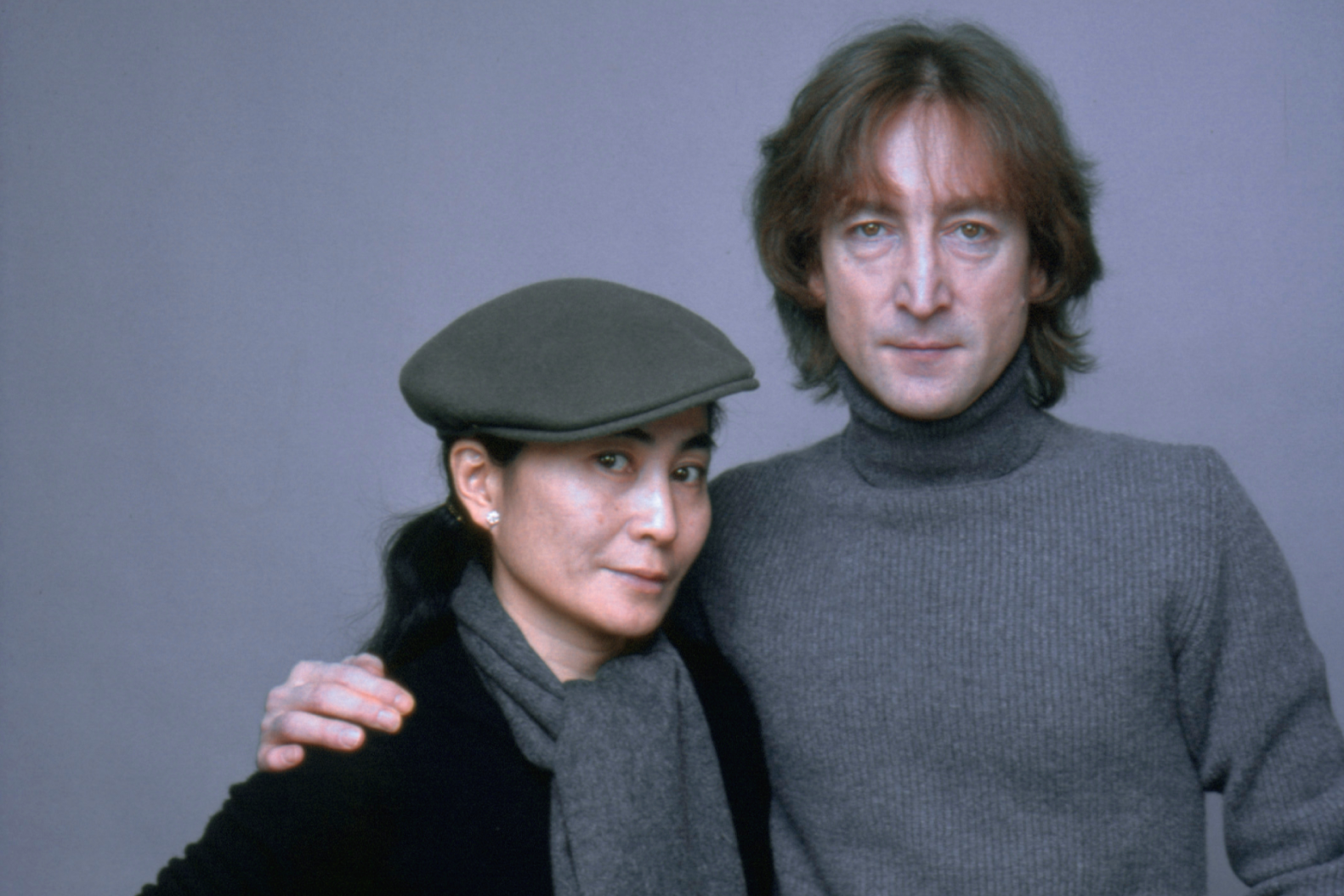
New York City — John Lennon’s final recorded interview in December 1980 captured the former Beatle reflecting on family life, creative renewal, and a quiet desire for longevity and stability just hours before he was fatally shot outside his Manhattan apartment building, December 8, 1980.
The conversation, conducted during the promotional period for his comeback album “Double Fantasy,” has since become a defining historical record of his final public thoughts and hopes for the future, May 17, 2026.
John Lennon Final Interview and the Calm Before Tragedy
In what is widely remembered as the John Lennon Final Interview, the musician spoke with unusual optimism about stepping away from the chaos of fame and focusing on raising his young son, Sean Lennon. He described his renewed partnership with Yoko Ono and expressed a desire for a quieter, longer life after years of public scrutiny and separation from the music industry.
The interview, conducted by radio journalist Dave Sholin for RKO Radio Network, took place just hours before Lennon was shot outside the Dakota apartment building by Mark David Chapman. That stark contrast between his calm reflections and the violence that followed has made the recording one of the most analyzed moments in modern music history.
Life, Legacy, and the Beatles Years
Lennon’s reflections in his final interview cannot be separated from his earlier decades of global fame. As a founding member of The Beatles, he helped reshape popular music and cultural identity throughout the 1960s. The band’s rise from Liverpool to international superstardom remains one of the most documented stories in entertainment history.
Following the Beatles’ breakup in 1970, Lennon pursued a solo career marked by both activism and experimentation. His evolution from rock icon to political voice is extensively documented in historical accounts, including his biography on Wikipedia’s John Lennon profile, which traces his transition into life in New York City and his eventual return to music in 1980.
According to the Encyclopaedia Britannica biography of John Lennon, his final years were defined by a blend of domestic life and artistic reemergence, as he and Ono worked together on new music that reflected their shared vision of peace and introspection.
Final Days and Enduring Cultural Impact
The emotional weight of the John Lennon Final Interview continues to shape public understanding of his legacy. In the hours before his death, Lennon spoke of hope, family, and a desire for a longer life—words that stand in sharp contrast to the tragedy that followed outside the Dakota on December 8, 1980.
Decades later, his final interview remains a cultural reference point for discussions about fame, vulnerability, and the unpredictable nature of legacy. His influence persists not only through music but also through the enduring global fascination with his final hours and unfinished future.
As historians and fans continue to revisit his words, the interview serves as a reminder of how abruptly cultural eras can change, and how deeply personal reflections can become part of global memory.


