

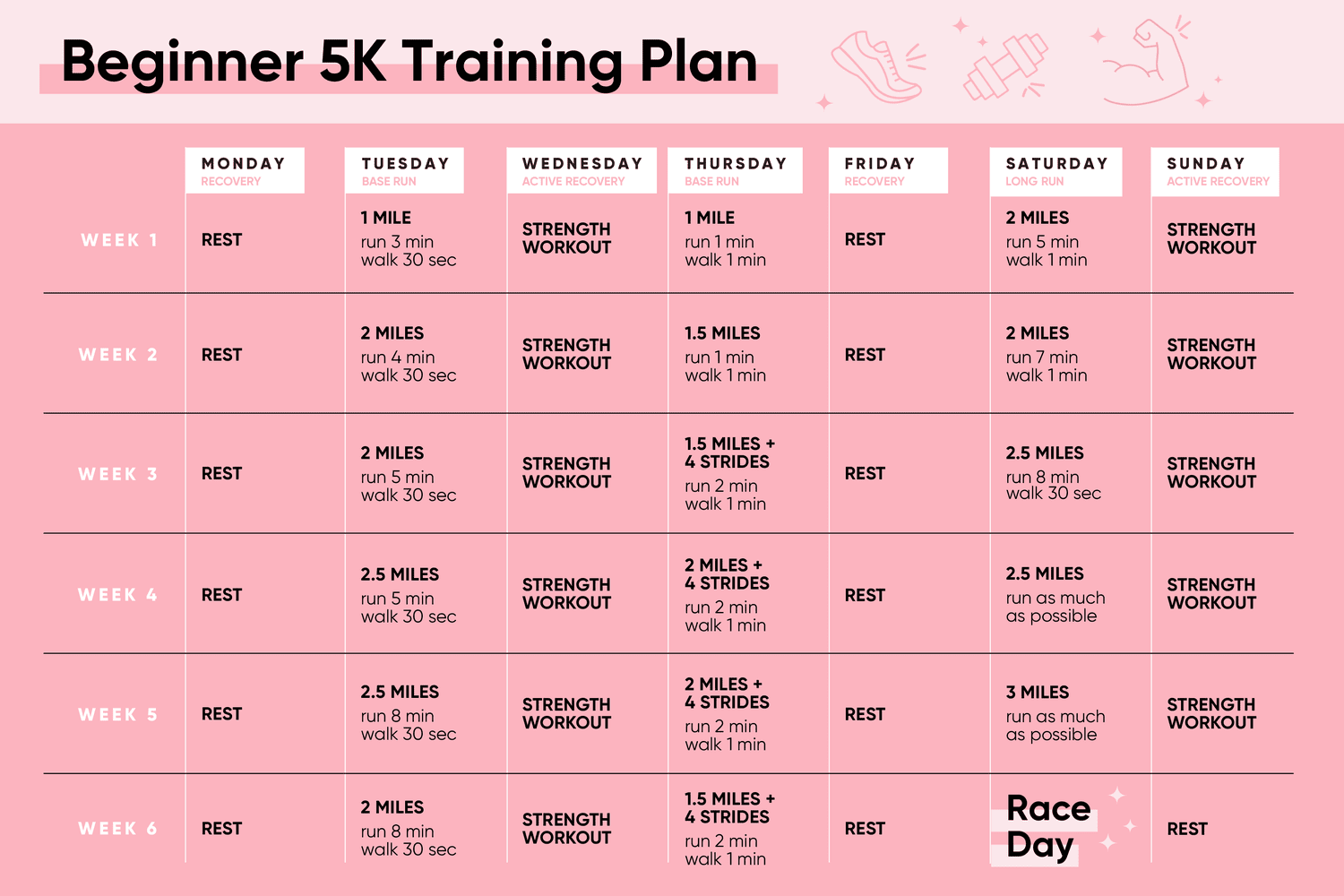
NEW YORK — For thousands of first-time runners lacing up around the world, a joyful 5K training plan is redefining how people prepare for 3.1 miles, swapping punishment miles for short, friendly run-walk sessions in neighborhood streets and parks. Coaches say the fun-first approach keeps stress low, builds fitness safely, and makes it far more likely beginners will still be running long after their first finish line, Dec. 9, 2025.
Why a joyful 5K training plan works for beginners
Instead of jumping straight into daily runs, this 5K training plan relies on intervals: gentle bursts of running broken up by planned walk breaks. Large health organizations now recommend at least 150 minutes of moderate-intensity activity per week, but they emphasize that those minutes can be split into small, manageable chunks — exactly what short run-walk sessions deliver.
Medical guidance from programs such as Mayo Clinic’s 7-week 5K run training schedule for beginners supports the idea that combining running, walking, and rest reduces injury risk, stress, and fatigue while boosting enjoyment. That same philosophy underpins many modern 5K plans: you are not “cheating” by walking — you are training smarter so your body, joints, and motivation can keep up.
Your 8-week joyful 5K training plan at a glance
This beginner-friendly 5K training plan assumes you can comfortably walk for 20–30 minutes. Always get medical clearance if you have health concerns, and slow down or add extra rest days whenever something hurts sharply or persistently.
Weeks 1–2: Build the habit — Three days a week, alternate 1 minute easy running with 2 minutes walking for 20 minutes total. Add one optional day of relaxed walking or light strength work (body-weight squats, lunges, pushups against a wall).
Weeks 3–4: More running, same kindness — Three days a week, run 2–3 minutes, walk 2 minutes, for 22–25 minutes total. Keep all paces “conversational” — you should be able to talk in complete sentences.
Weeks 5–6: Settle into your stride — Three days a week, run 4–5 minutes, walk 1–2 minutes, for about 28–30 minutes total. Add one short strength or mobility session to help the hips, core, and glutes support your running.
Weeks 7–8: Simulate race day — Twice a week, aim for 30–35 minutes with only a brief walk every 8–10 minutes. One additional shorter run-walk of 20 minutes keeps things light. Taper in the final days by cutting volume in half and focusing on sleep and hydration.
If that still feels like a lot, you can follow more structured couch-to-5K-style programs, such as Runner’s World’s Couch to 5K runners program, which also uses three cardio days, strength work, and two full rest days each week for beginners.
How does this 5K training plan fit into years of advice?
The joyful 5K training plan doesn’t appear out of nowhere — it sits on top of years of beginner research and coaching experience. In 2017, a widely shared beginner’s guide to running in the Guardian reminded new runners that “everyone can run” and praised structured programs like Couch to 5K. Longtime coach Hal Higdon’s Novice 5K plan has, for years, offered an eight-week, low-mileage path to the distance, while the older Beginner 5K training plan from Run and Become uses gentle run-walk intervals and cross-training. Together, they show a long-running consensus: patient progression, regular rest, and realistic goals help people fall in love with running, not just endure it.
Keeping your 5K training plan joyful through race day
Modern guides such as SELF’s overview of everything you need to know about training for your first 5K stress the same pillars this joyful 5K training plan uses: walk-run intervals, low-impact cross-training, simple strength work, and scheduled rest. They also highlight the mental side — celebrating small wins, expecting occasional tough days, and leaning on friends, clubs, or online communities for support.
On race day, keep the joy front and center: start slower than you think you should, use the same run-walk pattern from training, and treat the first half of the course as a warm-up. Whether you run every step or mix in walk breaks, you will still earn the same medal — and, if this 5K training plan does its job, you’ll cross the line not just as a new runner, but as someone excited to sign up for the following start line.
As always, if you have a history of heart, joint, or metabolic issues, talk with a health professional before beginning any new 5K training plan, and adjust the schedule to match your energy, sleep, and life demands.


