

WASHINGTON — Former Vice President Kamala Harris is reliving the shortest, sharpest chapter of her national career in “107 Days,” a Kamala Harris memoir released Sept. 23 that has reopened Democrats’ bruising debate over why she lost the White House in 2024, Dec. 15, 2025.
In the Kamala Harris memoir, Harris leans on a clean, almost cinematic explanation: 107 days is not enough time to take over a ticket, rebuild a coalition and sell a closing argument to a country already exhausted by politics. Critics across the ideological spectrum are pushing back, insisting time wasn’t the problem — the campaign’s message, its posture toward an unpopular incumbent and its choices about which voters to chase did more damage than any calendar.
What the Kamala Harris memoir says about “107 Days”
The book’s premise is urgency, right down to the publisher’s framing. The official description is built around a countdown — “You have 107 days” — and promises an inside account of strategy sessions, debate prep and the moments voters rarely see, according to Simon & Schuster’s overview of “107 Days”.
When Harris announced the project, she billed the Kamala Harris memoir as an eyewitness record of chaos and consequence and said she wrote a behind-the-scenes account after months of reflection — positioning the book as both catharsis and a case for how Democrats should “move forward,” as the Associated Press reported when the book was unveiled. The pitch is as much about control as reflection: Harris wants her version of the sprint on the record before the party’s next generation finishes writing her out of it.
Critics say the clock wasn’t the villain
The most-circulated line in the Kamala Harris memoir may also be the bluntest. An MSNBC opinion essay about the memoir spotlights Harris’ conclusion — “I didn’t have enough time” — and argues it misses the larger political reality: 2024 was a change election, and Harris never convincingly separated herself from Biden’s record. In that view, more days wouldn’t have fixed the central problem; it would have stretched it out.
A progressive post-election report makes a similar argument from the left, but with sharper blame. In The Guardian’s write-up of a RootsAction “autopsy”, the group faults the campaign for courting moderate Republicans while failing to energize young, working-class and progressive voters it needed to turn out. The report points to a steep drop in Democratic votes compared with 2020 and argues that sunny messaging collided with voters’ economic anxiety — a mismatch that can’t be explained away by a short runway.
Book critics, meanwhile, are treating “107 Days” less like a confession than a brief. A Los Angeles Times review calls it a postmortem “short on hope,” describing a candidate eager to document grievances — including tension with figures in Biden’s orbit — without delivering the kind of cathartic closure that might end the 2024 blame game. The result, the reviewer suggests, is a book that reignites arguments rather than settles them.
Flashback: the crisis that created the 107-day sprint
The compressed timeline began with a political earthquake. Biden ended his reelection bid in July 2024 and endorsed Harris, throwing Democrats into emergency mode, as Reuters reported when Biden withdrew. Four months later, Harris conceded at Howard University, warning supporters not to confuse a loss with surrender. “While I concede this election, I do not concede the fight that fueled this campaign,” she said, according to Reuters’ account of her concession speech.
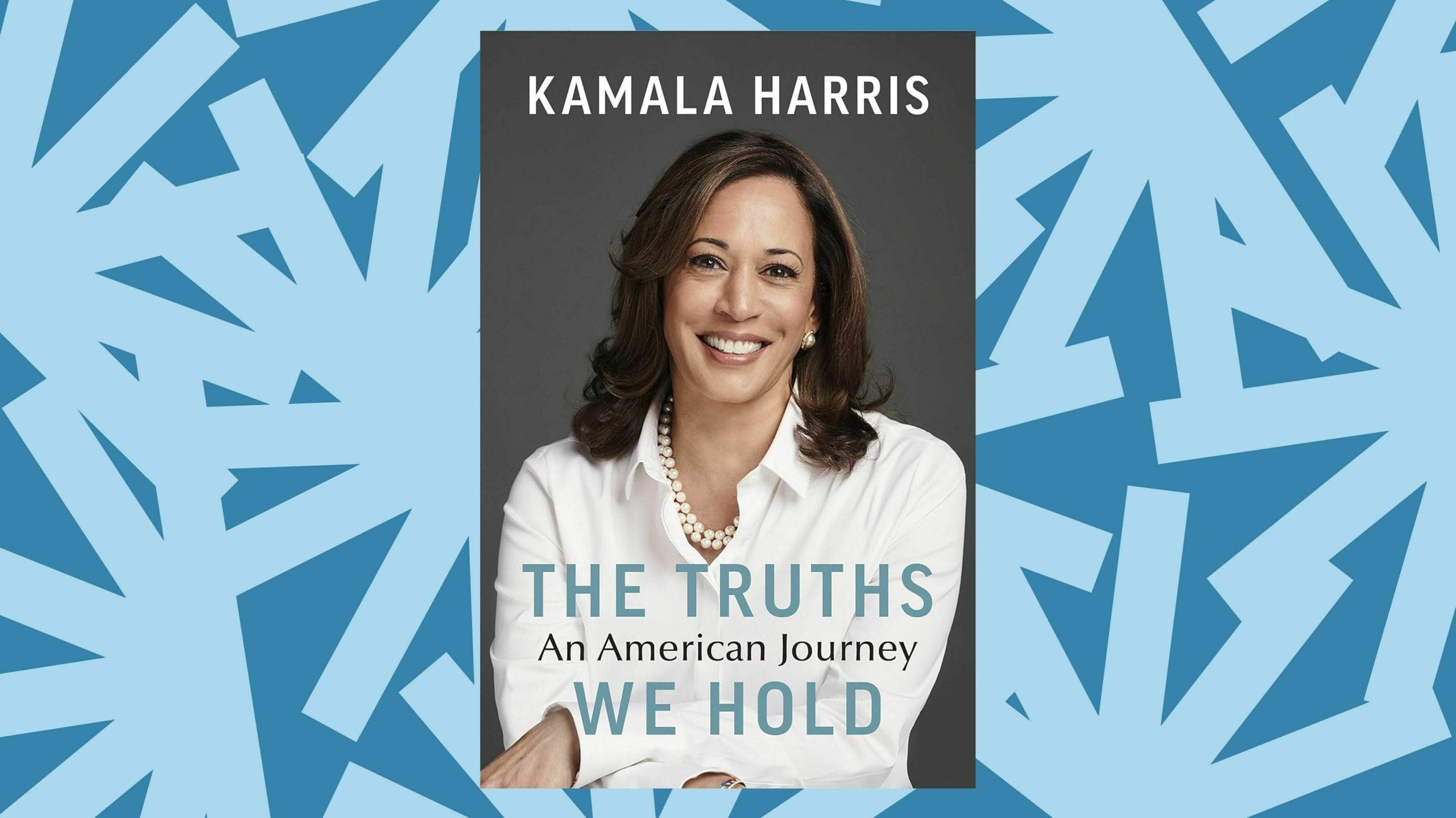
And the Kamala Harris memoir isn’t her first attempt to define herself in print at a political pivot point. In 2019, she released “The Truths We Hold,” an earlier campaign-season memoir that an NPR review characterized as a campaign “delivery device” — biography and policy argument stitched into one. The new Kamala Harris memoir raises the stakes: instead of selling a candidacy, it’s trying to explain a defeat.
Whether “107 Days” rewrites the story of 2024 or simply hardens competing versions of it, the Kamala Harris memoir has already done one thing unmistakably well: It has turned one loss into a live, public postmortem — and forced Democrats to confront the possibility that time was never the real excuse.


