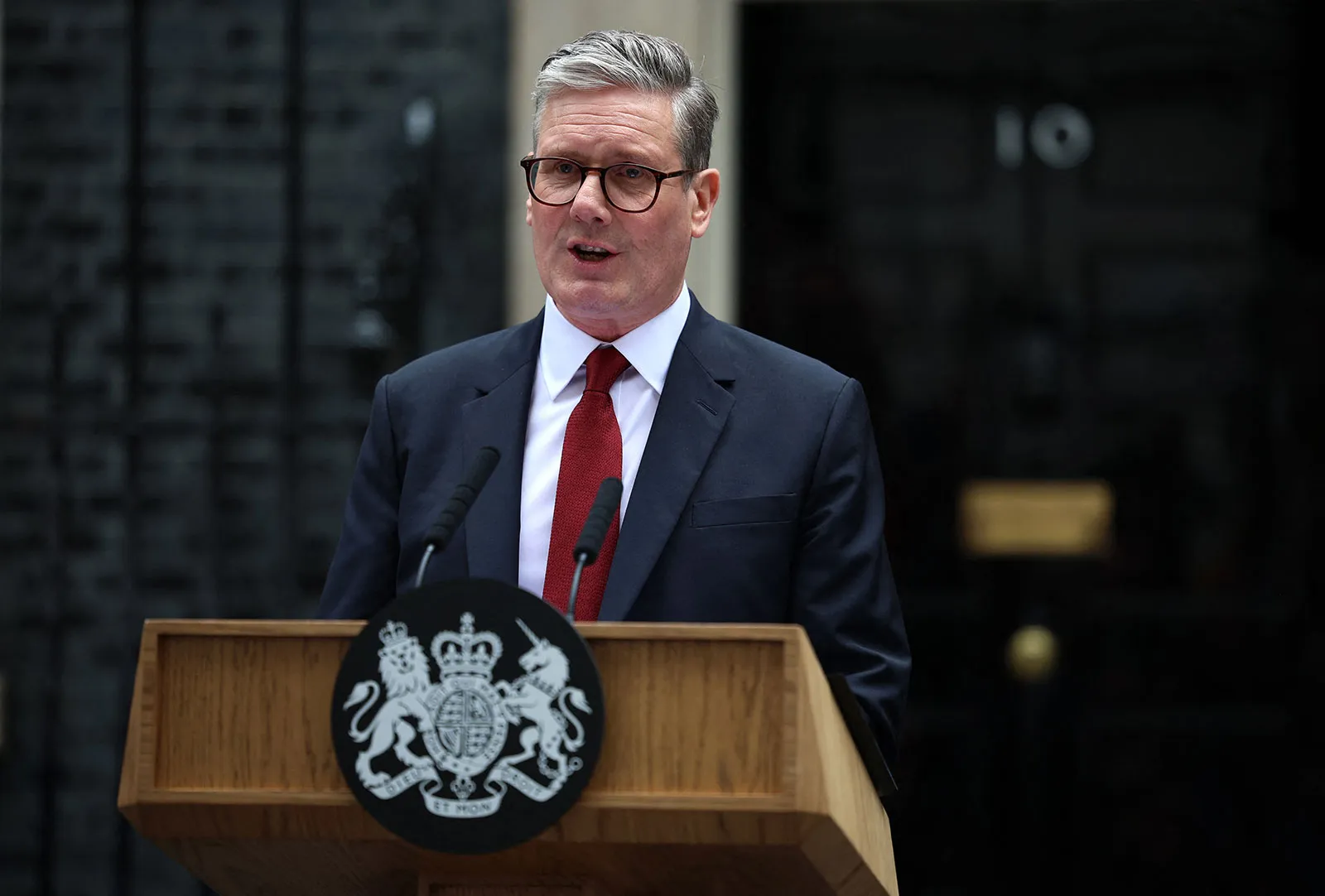
LONDON — Prime Minister Keir Starmer avoided a formal parliamentary inquiry into whether he misled MPs over Peter Mandelson’s appointment as Britain’s ambassador to the United States after the House of Commons rejected a referral to the Privileges Committee, April 28, 2026.
The vote ended the immediate threat of a standards probe but did not settle the broader political crisis over how Mandelson was appointed, vetted and later removed from one of Britain’s most sensitive diplomatic posts.
Keir Starmer survives Commons vote, but questions remain
MPs voted 335 to 223 against asking the Privileges Committee to examine Starmer’s statements to Parliament, according to Reuters. The Conservative-led motion focused on Starmer’s repeated assurances that “full due process” had been followed before Mandelson took up the Washington role.
The official Hansard record shows the motion cited Starmer’s answers in September 2025 and February and April 2026, including his comments about developed vetting and whether pressure had been placed on Foreign Office officials.
For Starmer, the parliamentary defeat of the motion offers procedural relief. Politically, however, the affair has become a test of his judgment, his handling of national security concerns and his willingness to publish the internal record behind Mandelson’s appointment.
Keir Starmer under pressure over Mandelson vetting evidence
The controversy sharpened after reports that Mandelson had initially been denied security clearance before Foreign Office officials overruled the recommendation. A Guardian investigation said UK security officials rejected Mandelson for developed vetting in January 2025 before the Foreign, Commonwealth and Development Office allowed the appointment to proceed.
Starmer has said he was not told Mandelson had failed vetting and has denied misleading the House of Commons. The prime minister has placed responsibility on officials, while critics argue that Downing Street created the political momentum for the appointment and should answer for the process.
Foreign Affairs Committee evidence has added to the pressure. In oral evidence before MPs, witnesses were questioned about who handled Epstein-related concerns, whether the right people conducted follow-up due diligence and whether political advisers were too involved in a process that should have been insulated from pressure.
Morgan McSweeney, Starmer’s former chief of staff, has acknowledged that recommending Mandelson was a serious error of judgment, while denying that he improperly pressured officials. Former Foreign Office figures have described an unusually compressed process, especially because the post involved the United States at the start of President Donald Trump’s second term.
An Associated Press report said the failed inquiry push did not end the political danger for Starmer, noting that the appointment remains tied to wider questions about ethics, vetting and the government’s handling of the Epstein fallout.
How the Mandelson crisis developed over time
The roots of the dispute go back to December 2024, when the government announced Mandelson as Britain’s next ambassador to Washington. In that appointment announcement, Starmer praised Mandelson’s experience and said he would help strengthen ties with the United States.
The appointment was always politically delicate. Mandelson, a central figure in New Labour, carried decades of political baggage, while the Washington job required a high level of trust, access and credibility with both British and U.S. officials.
The crisis escalated in September 2025, when Starmer dismissed Mandelson after emails emerged showing the depth of Mandelson’s relationship with Jeffrey Epstein. Reuters reported at the time that Mandelson was fired after correspondence revealed a closer relationship with Epstein than had previously been understood.
By February 2026, the matter had become more than a diplomatic embarrassment. Starmer told MPs that material linked to Mandelson had been referred to police and said he would pursue legislation to strip Mandelson of his peerage. The prime minister also said Mandelson should be removed from the Privy Council, according to the House of Commons record.
Why the failed inquiry still matters
The Commons vote blocks one route of scrutiny but leaves several unresolved questions. MPs and committee members are still pressing for clarity over who knew what, when security concerns were escalated and why the appointment moved ahead despite apparent vetting warnings.
The most damaging issue for Starmer is not only Mandelson’s conduct. It is whether the prime minister’s public statements can be reconciled with the emerging paper trail and witness testimony. The opposition argues that Starmer’s claim that due process was followed is now undercut by evidence of failed vetting, internal alarm and political pressure for speed.
Downing Street’s position is that Starmer was not given the crucial security information and that no minister knowingly ignored a failed vetting decision. That defense may protect him from the charge of deliberate deception, but it raises another problem: whether a prime minister can credibly claim control over government standards while saying essential information was withheld from him in a major diplomatic appointment.
The Mandelson affair has also revived concerns about political patronage. Senior ambassadorial roles are expected to withstand scrutiny because they involve sensitive intelligence, foreign policy access and public trust. When the appointee is a political ally with known reputational risks, the process must be demonstrably rigorous.
Keir Starmer faces a transparency test
The failed inquiry push gives Starmer space, but not closure. The government can still face pressure through select committees, parliamentary questions and further document demands. Each new disclosure risks extending a story that has already moved from appointment controversy to national security vetting crisis.
For Labour MPs, the danger is that the episode reinforces a perception of double standards: a government elected on competence and integrity defending a process that appears rushed, opaque and politically influenced.
For Starmer, the path out is narrow. He must show that he did not mislead Parliament, explain how a failed or disputed vetting process was overridden, and demonstrate that future senior appointments will not depend on private assurances from politically connected figures.
The Commons vote may have spared Starmer a Privileges Committee investigation, but it has not answered the central question hanging over the Mandelson affair: whether the government’s own standards system worked when it mattered most.