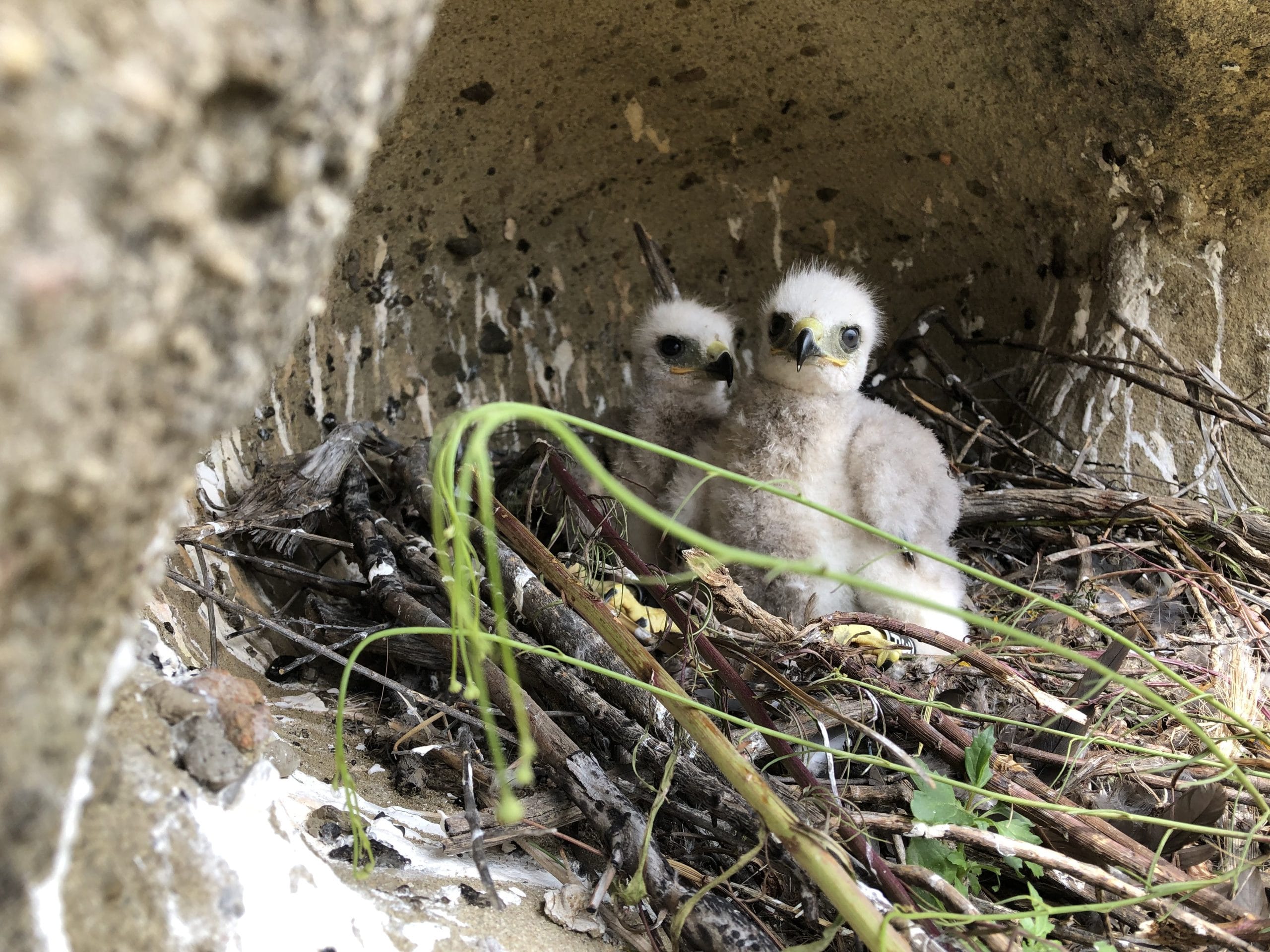
Authorities say warmer temperatures, urban expansion, and food scarcity are driving more wildlife into neighborhoods, creating rising reports of nesting animals in backyards, drainage areas, and near water sources.
Nesting Wildlife: Why Animals Are Moving Into Residential Areas
Experts note that seasonal nesting cycles often overlap with human activity zones, especially in suburban regions where natural wetlands or forests have been replaced by housing developments. According to long-standing wildlife migration research, species such as waterfowl and reptiles are adapting to human-altered landscapes in search of safer nesting grounds.
The U.S. Fish & Wildlife Service explains that migratory birds are particularly sensitive to habitat disruption, which can push them to build nests in unexpected urban spaces such as rooftops, gardens, and stormwater systems:
U.S. Fish and Wildlife Service migratory bird conservation guidance.
Expert Rules for Handling Nesting Wildlife Safely
Wildlife professionals stress that the most important rule is to avoid direct contact with nesting animals. Approaching nests can trigger defensive behavior, especially in species like deer and alligators, which may perceive humans as threats.
- Keep a safe distance from nests and young animals
- Avoid feeding or attempting to relocate wildlife
- Secure household trash and pet food sources
- Contact local wildlife authorities if animals appear injured or trapped
Organizations such as the Humane Society emphasize that human intervention often causes more harm than good, particularly with young or seemingly abandoned animals:
Humane Society guidance on baby wildlife encounters.
Nesting Wildlife in Suburban Ecosystems: Rising Encounters with Deer and Alligators
In regions where wetlands intersect with residential development, encounters with larger animals have become more common. Deer often nest in tall grass or wooded edges near homes, while alligators may inhabit drainage canals or retention ponds.
The Florida Fish and Wildlife Conservation Commission warns that alligators are especially active during nesting season and should never be approached or fed, as they can become defensive if they feel their territory is threatened:
Florida Fish and Wildlife alligator safety guidelines.
Historical reporting from wildlife agencies has shown a steady increase in urban-wildlife overlap over the past decade, particularly in southern states where expanding housing developments intersect with natural swamp habitats.
What Past Wildlife Reports Reveal About Long-Term Trends
Older environmental analyses suggest that human-wildlife conflict has been gradually increasing as cities expand into natural ecosystems. National Geographic has previously documented how alligator populations have adapted to suburban environments, particularly in areas with accessible water sources and stable food supplies:
National Geographic alligator behavior research overview.
Similarly, state wildlife agencies have reported recurring seasonal conflicts involving deer nesting near residential properties, especially during spring and early summer when fawning occurs.
Preventing Conflict: How Communities Can Reduce Encounters
Wildlife experts recommend a combination of habitat management and public awareness to reduce negative encounters. This includes trimming overgrown vegetation near homes, installing motion-activated lighting, and avoiding outdoor food sources that attract animals.
The Texas Parks & Wildlife Department notes that many nuisance wildlife issues can be prevented through simple environmental adjustments rather than direct animal removal:
Texas Parks & Wildlife nuisance wildlife prevention resources.
Officials also encourage residents to understand animal behavior during nesting seasons to reduce unnecessary panic and ensure safer coexistence between humans and wildlife.
Conclusion: Balancing Safety and Conservation
As nesting wildlife continues to appear closer to human habitation, experts emphasize that awareness and restraint are the most effective tools for preventing conflict. By following established guidelines and respecting natural nesting behaviors, communities can reduce risk while supporting long-term wildlife conservation efforts.