
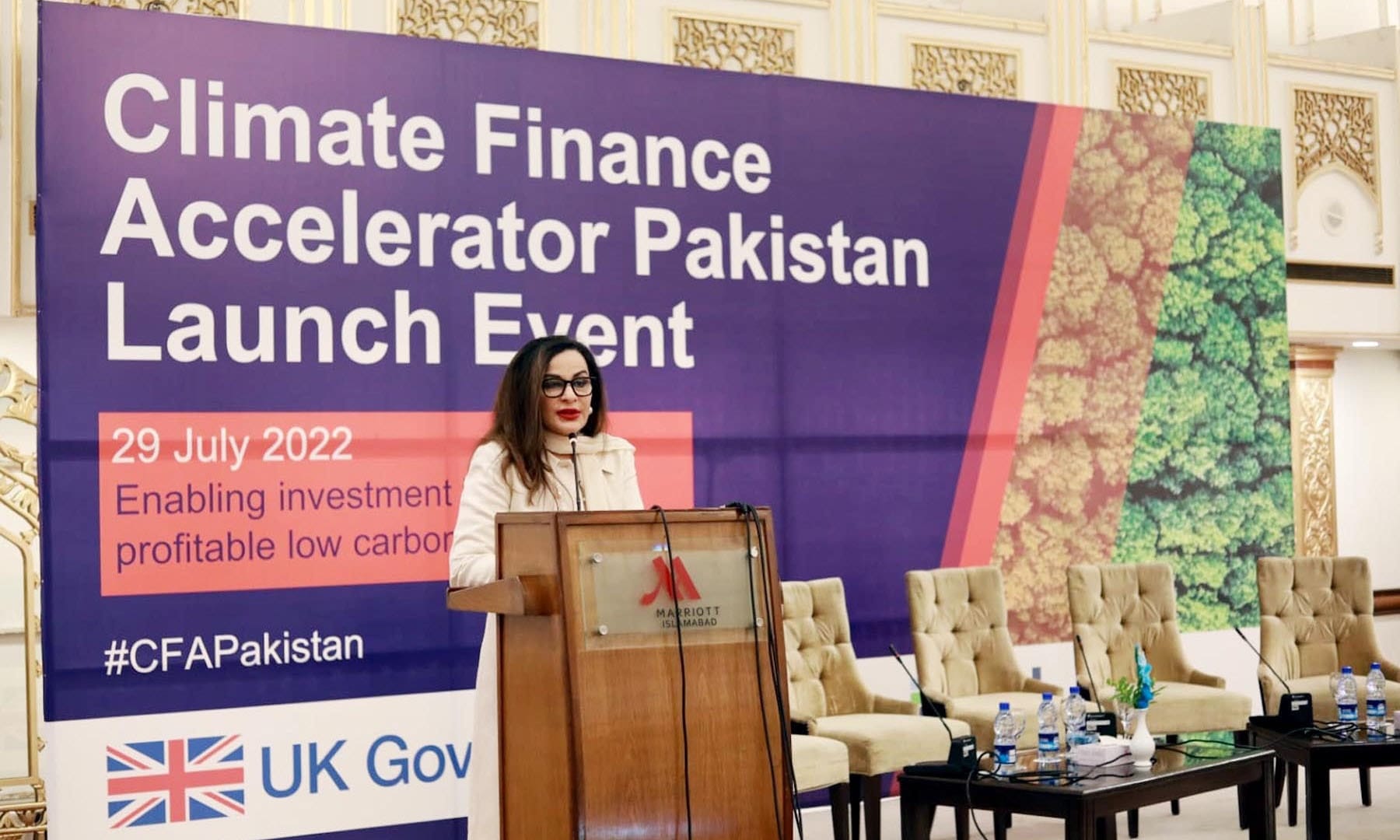
ISLAMABAD, Pakistan — Pakistan is facing a deepening Pakistan climate finance squeeze after international assessments put the country at the top of a 2022 climate-risk ranking and warned that unchecked warming could saddle the economy with up to $1.2 trillion in losses by 2050. The figures sharpen Islamabad’s push for more grants and cheaper long-term funding as it rebuilds from disasters while juggling heavy debt and limited fiscal space, Jan. 4, 2026.
Pakistan climate finance: the $1.2 trillion warning
The $1.2 trillion estimate is not a budget line; it is a projection of what repeated shocks could cost if adaptation and resilience investments lag. A U.K.-backed analysis on closing Pakistan’s adaptation funding gap said the projected cost of climate inaction could reach $1.2 trillion by midcentury, describing it as a hit large enough to destabilize growth and livelihoods if risks keep compounding.
A separate United Nations policy brief on climate financing in Pakistan echoed the same headline number and also cited a $250 billion inaction cost by 2030, underscoring how rapidly losses can accumulate when floods, heat waves and drought disrupt farms, cities and supply chains.
That is the backdrop for a recurring political argument: Pakistan’s needs are immediate, but much of the money available globally is still structured as loans, not grants, raising concerns that Pakistan climate finance could deepen debt instead of reducing risk.
Why Pakistan topped the 2022 Climate Risk Index
Germanwatch’s Climate Risk Index 2025 ranked Pakistan as the most affected country by extreme weather impacts in 2022, citing the year’s cascading shocks — including catastrophic flooding and extreme heat — in its single-year assessment of human and economic tolls.
The 2022 floods remain a reference point. A World Bank-led post-disaster assessment said the floods affected 33 million people, killed more than 1,730 and pushed total damage and economic loss above $30 billion, while estimating at least $16.3 billion in needs for resilient rehabilitation and reconstruction.
Pakistan climate finance and the long shadow of 2022
Pakistan’s calls for “loss and damage” funding intensified after the floods, a debate that helped drive the decision at COP27 to establish a fund for countries hit by climate-related destruction. In an interview ahead of the summit, then-climate minister Sherry Rehman said Pakistan had “repeatedly made the moral case” for loss-and-damage compensation.
Even when pledges arrive, delivery is uneven. Donors promised more than $9 billion at a January 2023 conference in Geneva, but aid conferences have a mixed record of turning big announcements into fast, accountable spending.
The warning signs were visible well before 2022. A Germanwatch-related ranking reported in 2019 placed Pakistan among the world’s most climate-vulnerable countries, pointing to years of fatalities and losses tied to extreme weather — a reminder that today’s Pakistan climate finance crunch has a long tail.
Analysts say the next test is whether Pakistan can convert global sympathy into predictable, accessible funding — and whether its own institutions can plan, spend and measure results. Without both, Pakistan climate finance risks staying reactive: paying for reconstruction after each disaster instead of lowering the cost of the next one.