
Why the Pakistan malaria decline is fragile
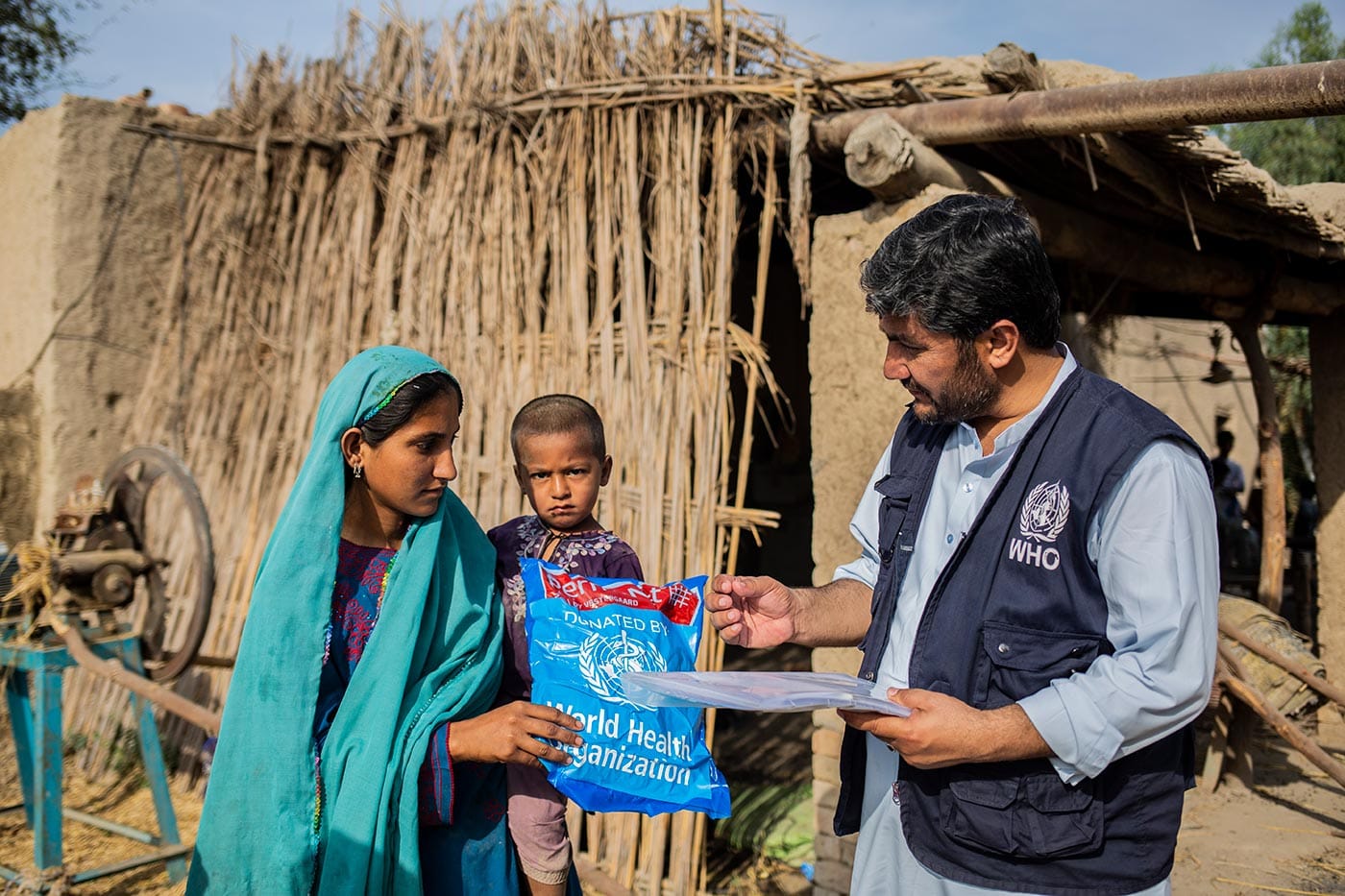
Transmission remains concentrated in Balochistan, rural Sindh and some districts of Khyber Pakhtunkhwa, areas where floods, displacement, poverty and difficult access to health facilities can turn a seasonal surge into a larger outbreak. In 2025, Pakistan screened about 16.9 million suspected cases and provided free treatment to most of the nearly 1.8 million confirmed patients, while about 12 million mosquito nets were distributed from 2023 to 2025.
“WHO stands with Pakistan to continue strengthening the response,” WHO Representative Dr. Luo Dapeng said.
The immediate challenge is to keep those interventions in place before, during and after monsoon season. Early testing, reliable medicines, community-level treatment and mosquito control matter most in remote districts, where delayed diagnosis can allow infections to spread before provincial teams detect a cluster.
Floods turned a control program into an outbreak response
The warning is part of a longer post-flood pattern. In an October 2022 disease outbreak notice, WHO said Pakistan had reported more than 3.4 million suspected malaria cases from January through August 2022, with Balochistan and Sindh accounting for most confirmed cases after the floods. Months later, a WHO feature on Pakistan’s post-flood malaria surge described the disaster as the country’s worst malaria outbreak since 1973.
The human toll was visible early. UNICEF warned in September 2022 that children in flood-hit areas were facing malaria, dengue fever, diarrhea, malnutrition and skin diseases while many families remained exposed to stagnant water and mosquitoes. Similar risks continued after later floods, with reporting from flood-hit Punjab in October 2025 describing surges in cholera, diarrhea, malaria and dengue among displaced families living near standing water.
Regional and global pressure adds to the test
Pakistan is also part of a broader regional resurgence. WHO’s World Malaria Day 2026 regional brief said the Eastern Mediterranean Region recorded an estimated 11.1 million malaria cases and 22,100 deaths in 2024, with Pakistan among six countries accounting for most transmission in the region.
Global trends add another warning. The World malaria report 2025 estimated 282 million malaria cases and 610,000 deaths worldwide in 2024, while a WHO malaria fact sheet says the disease is preventable and curable but can become severe quickly without testing and treatment. The Global Fund to Fight AIDS, Tuberculosis and Malaria says prevention and treatment still depend heavily on sustained financing for insecticide-treated nets, rapid testing, medicines and community health workers.
What success will require
For Pakistan, the next measure of success is not just whether cases fall from 2024 levels. It is whether the country can prevent another surge in the districts most exposed to floods, displacement and weak access to care.
That will require steady financing, stronger provincial surveillance, reliable supplies of diagnostics and antimalarial medicines, and local health workers who can reach communities before cases accelerate. The 1.8 million cases show that Pakistan’s malaria fight is far from over, but the decline gives health officials a narrow opening to turn emergency recovery into durable control.