Pakistan mediation runs into Washington’s red line
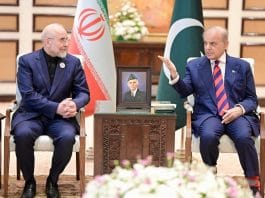
Trump has said Iran can call if it wants to negotiate, but he has also made clear that a settlement must prevent Iran from obtaining a nuclear weapon. The Associated Press reported that Araghchi briefly returned to Islamabad as Pakistani political and military leaders tried to revive indirect talks, while Trump said the sides could speak by phone instead.
Iran, meanwhile, has pressed for an end to the U.S. blockade before a new round of negotiations. Reuters reported Tuesday that Trump was unhappy with Iran’s latest proposal because it would put off nuclear negotiations until after the war ends and Gulf shipping disputes are resolved.
The talks had shown signs of momentum earlier this month. A Pakistan-backed two-stage framework circulated April 6 proposed an immediate ceasefire followed by a broader settlement. A day later, Iran said it had accepted a two-week ceasefire and would negotiate in Islamabad. By April 11, U.S. and Iranian officials had held high-level talks in Pakistan as the Strait of Hormuz remained central to the dispute.
Hormuz pressure grows as talks stall
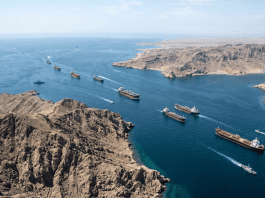
The diplomatic setback has sharpened focus on the Strait of Hormuz, where restricted shipping has raised fears of a prolonged energy shock. Ship-tracking data cited by Reuters showed traffic through the strait had fallen sharply, with six Iranian oil tankers forced back by the U.S. blockade and only seven ships crossing in the previous day.
The strait typically carries about a fifth of global oil and liquefied natural gas supplies, making the standoff a direct threat to energy markets and regional stability. Oil prices rose nearly 3% Tuesday as traders weighed the stalled diplomacy, the largely shut waterway and the lack of a clear path to reopening full Gulf shipping.
Pakistan’s role is not over, but the latest developments have narrowed its room to maneuver. Islamabad must now try to keep indirect channels open while Washington and Tehran remain split over which issue comes first: ending the war and reopening Hormuz, or locking in nuclear limits before any wider settlement.
For now, the Pakistan mediation effort remains alive but weakened. Without a U.S. envoy trip, a revised Iranian offer acceptable to Washington or a separate breakthrough on the Strait of Hormuz, the talks risk becoming a holding pattern as the economic and security costs continue to rise.