

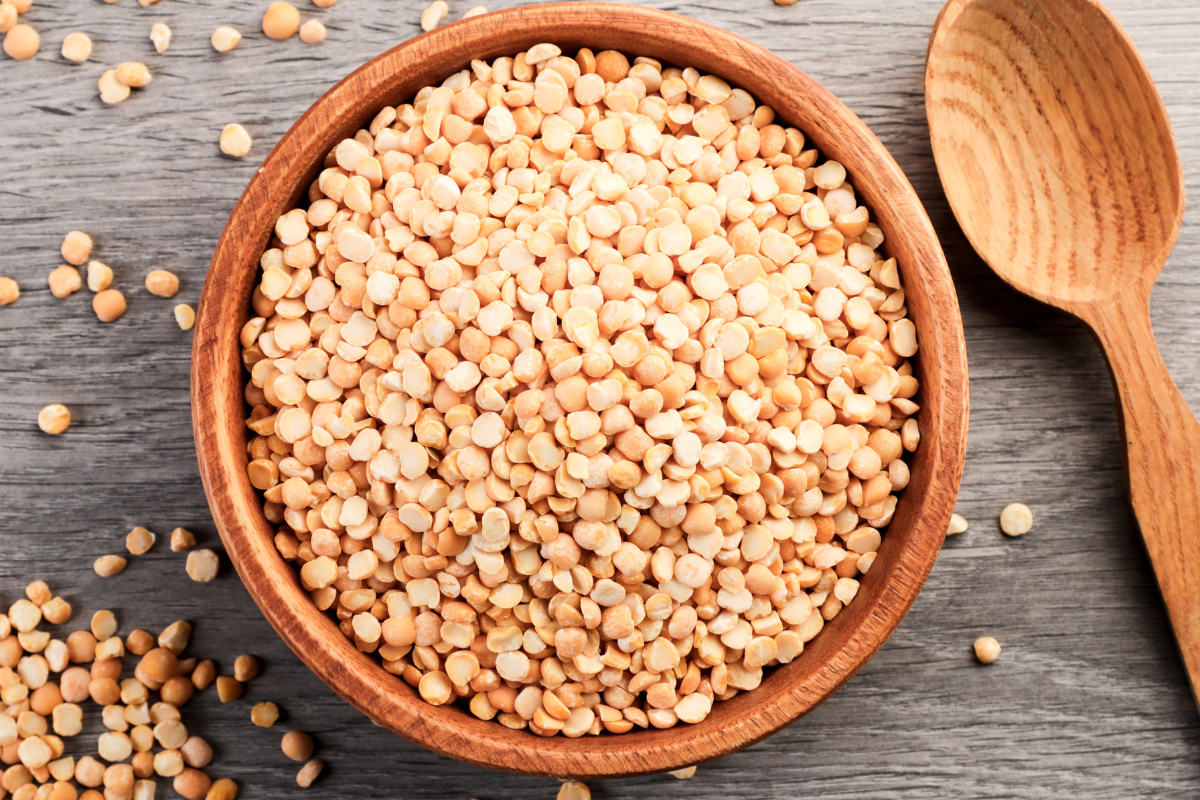
CHICAGO — U.S. farmers from Idaho to Montana are giving peas and lentils a fresh look in 2026 as demand for higher-protein foods tied to GLP-1 users and the broader protein boom opens one of the few brighter lanes in a weak farm economy, April 23, 2026. The shift matters because pulse crops can trim fertilizer needs, fit neatly into rotations and, for some growers, offer a better chance at positive margins than wheat or other staples.
That change is no longer just anecdotal. In a Reuters report this week, growers described peas and lentils as rare profit candidates in a year when grain oversupply, trade friction and high input costs are still squeezing returns. The backdrop remains harsh: the USDA’s latest farm income forecast projects 2026 net farm income to dip even as farm-sector debt rises and working capital declines.
Pea protein moves from export story to domestic demand story
For years, U.S. pulse growers leaned heavily on export markets. Now more of the story is being written at home. Reuters said U.S. yellow pea exports fell sharply between 2021 and 2025, suggesting more of the crop is being absorbed domestically as food makers fold pea protein into cereals, drinks, snacks and pasta. Earlier government data pointed in the same direction: USDA’s July 2025 Vegetables and Pulses Outlook said dry peas led the prior year’s pulse acreage gains, with planted area up 10%.
That matters on the farm because peas and lentils do more than chase a food trend. They can help fix nitrogen in the soil and typically need less fertilizer than many other crops, making them more attractive when margins are tight and inputs remain expensive. In other words, pea protein is valuable not only because shoppers want more of it, but because growers can sometimes produce the crop more efficiently than the alternatives they are replacing.
Pea protein and GLP-1 are colliding in the grocery aisle
The GLP-1 effect is not the whole story, but it is accelerating it. KFF polling found that about 1 in 8 adults said in late 2025 that they were currently taking a GLP-1 drug, a striking adoption rate for any food company trying to predict what the next few years of demand might look like.
Food makers are already moving to meet that demand. The Associated Press recently reported that manufacturers and restaurant chains are rolling out products and labels aimed at GLP-1 users, often emphasizing protein and fiber because customers taking the drugs tend to eat less and want more nutrition in smaller servings. The catch is that the label language can outrun the regulation; AP noted there is no formal federal standard for the phrase “GLP-1 Friendly,” even as companies race to claim a place in the category.
Pea protein has been building toward this moment for years
Seen in that light, the current rush looks less like a bolt from the blue and more like the latest turn in a longer cycle. Reuters wrote about Big Ag turning to peas back in 2018, revisited the theme in a 2019 report on agriculture’s push into the fake-meat boom, and then chronicled the hangover in a 2025 story about the cooling plant-based meat market. What makes 2026 different is that pea protein is no longer riding on one category alone. It is being pulled by a broader protein push that reaches far beyond meat alternatives.
Pea protein offers hope, not a cure-all
None of that guarantees a straight climb. Protein trends can cool, labels can get ahead of nutrition, and farmers still have to manage weather, trade policy and price volatility. But for growers who have spent several seasons staring at thin or negative margins, pea protein is offering something rare: a demand story that matches both agronomy and consumer appetite.
That is why this moment matters. Peas and lentils are still a relatively small piece of the U.S. crop mix, but they are starting to look like more than a niche rotation choice. In a bruised farm economy, pea protein is giving struggling producers a reason to believe the next acre they shift could be more than a defensive move.


