
BETHLEHEM, West Bank — Once the centerpiece of papal processions, Pope Francis’s late former popemobile is poised for a new mission: reborn as the “Vehicle of Hope,” it now serves as a fully equipped mobile pediatric clinic, destined, church leaders hope, to soon bring care to wounded and malnourished children in the Gaza Strip. Nov. 25, 2025
After spending years abroad, he eventually returned to the church and asked Catholic charity Caritas to convert the aging Mitsubishi pickup truck into a roving field clinic. His aim was that, even after his death last year, the vehicle would bring the church back onto the front lines of what has become war’s worst humanitarian emergency.
Unveiled on Tuesday in Bethlehem, the retrofitted vehicle now has its open platform built into a small examination room, outfitted with oxygen lines and a miniature pharmacy, and space for doctors to give checkups to children who have lost homes, limbs, or parents over two years of war. Caritas officials say the unit will be able to handle about 200 young patients daily once it finally crosses into Gaza.
But the most immediate obstacle is political, not medical. Israeli officials have yet to sign off on the vehicle’s entry. This is despite warnings from UNICEF that dozens of children have died in conflict-related incidents since a delicate cease-fire became effective. Gaza’s health system now teeters at the brink of collapse.
How Pope Francis made a symbol of power work for good
The popemobile at the center of the project originally transported Pope Francis on his route through Bethlehem in 2014, when it was gifted by Palestinian Authority President Mahmoud Abbas for his Holy Land visit. Afterward, it mostly sat unused in a Bethlehem garage until leaders of Caritas Sweden realized it could be transformed into a mobile clinic and turned the idea over directly to the ailing pope via Peter Brune, Caritas Sweden’s secretary general, who pushed for approval.
Caritas now describes the “Vehicle of Hope” as a paediatric mobile health unit for displaced, injured, and traumatised children in Gaza, staffed by local doctors and nurses from Caritas Jerusalem, its supply cupboard stocked with vaccines, rapid tests, suture kits, and refrigerated medicines — all squeezed into the back of a once-open papal platform. The clinic is intended to serve neighborhoods where brick-and-mortar hospitals no longer operate or have ceased to exist altogether, according to Caritas’ own summary of the project.
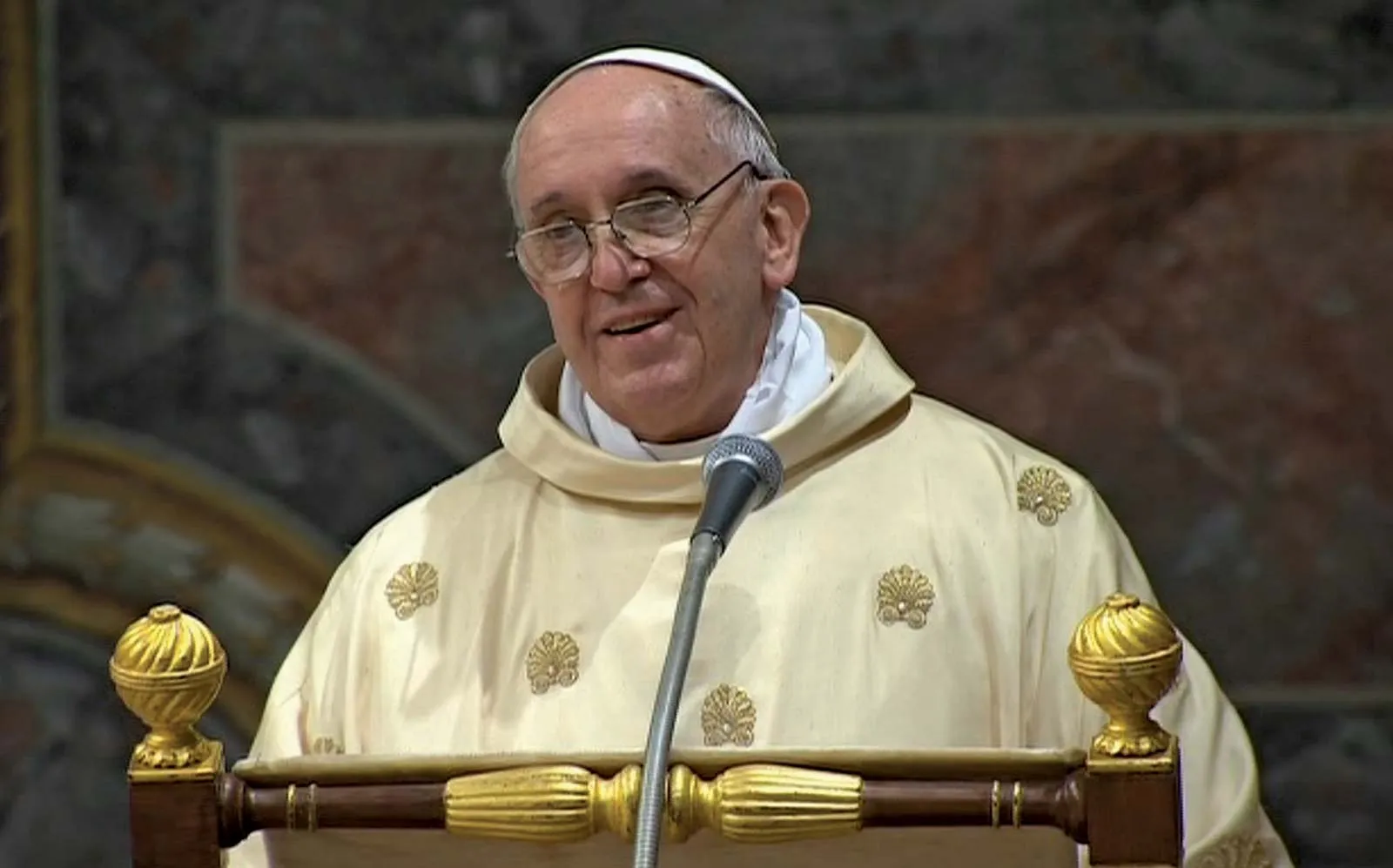
At the launch, church leaders made a point of emphasizing that Pope Francis himself gave his blessing to the plan and insisted that rather than flatten out into an open truck bed, as some had suggested, the popemobile retain its trademark high rear seat — lest anyone forget at whom they are looking with their own eyes: a direct physical descendant of the mission itself — beginning unambiguously with His Holiness’ care for Gaza’s children. “This vehicle testifies that the world has not forgotten Gaza’s children,” Swedish Cardinal Anders Arborelius said at the ceremony, reflecting what many at the Vatican describe as one of Francis’s last active decisions.
Pope Francis and the children of Gaza: a long crusade
Pope Francis spent his last years condemning again and again what he called the “shameful” humanitarian catastrophe in Gaza and the surrounding region, calling for an end to a “spiral of violence” and publicly pleading for protection of civilians, especially young people. He maintained almost daily telephone contact with Gaza’s minuscule Christian community, even during hospital stays, and strongly supported efforts to fly injured children to Italy for treatment by specialists at Rome’s Bambino Gesù pediatric hospital and other facilities.
In Bethlehem itself, his concern for children was already evident more than a decade ago. While visiting Manger Square in 2014, Pope Francis referred to the Israeli-Palestinian conflict as being “increasingly unacceptable” and devoted his homily to the suffering of children enmeshed in war, exploitation, and exile around the world — including those who are “lost at sea” in the Mediterranean. The visit further solidified his image here as a pastor who linked the Holy Land’s profound biblical history with the most immediate trauma of its youngest residents.
In his regular Telegram channel this month, Pope Francis has focused on the humanitarian effort from a faithful perspective.
The Vehicle of Hope also fits into a larger pattern in Pope Francis’ ministry: deploying Catholic symbols and resources to people far from the centers of power. In the Amazon basin, for instance, church groups introduced what became known as the “Pope Francis hospital ship,” a riverboat clinic that has delivered surgery, dentistry, and basic care to isolated communities along the Amazon since 2019, with the approval of Francis. That hospital ship initiative underscored his conviction that the church’s role must be visible where healthcare and the state fail.
During a pilgrimage to Bethlehem in 2014 and meetings with Mr. Abbas, Pope Francis cast peace as an issue of justice and not just for Israelis but for Palestinians too, calling for “a stable peace,” based on mutual recognition and secure borders — rhetoric that again put children at the heart of his appeal. As we reported at the time, he strayed from his official itinerary to pray silently by the separation barrier in Bethlehem ― a move that presaged his later closeness with Gaza’s besieged civilians. Now, months after his death, that history is reflected in the Vehicle of Hope—a papal truck repurposed not for parades but for triage and vaccinations in Gaza’s rubble-strewn streets. Whether the clinic arrives in Gaza in days or months remains uncertain, subject to negotiations far beyond Bethlehem, but for those who worked with Pope Francis, the project already stands as an unusual kind of rolling memorial—not one marked by marble statues or solemn speeches, but by counting how many children are brought out alive through its rear doors.