

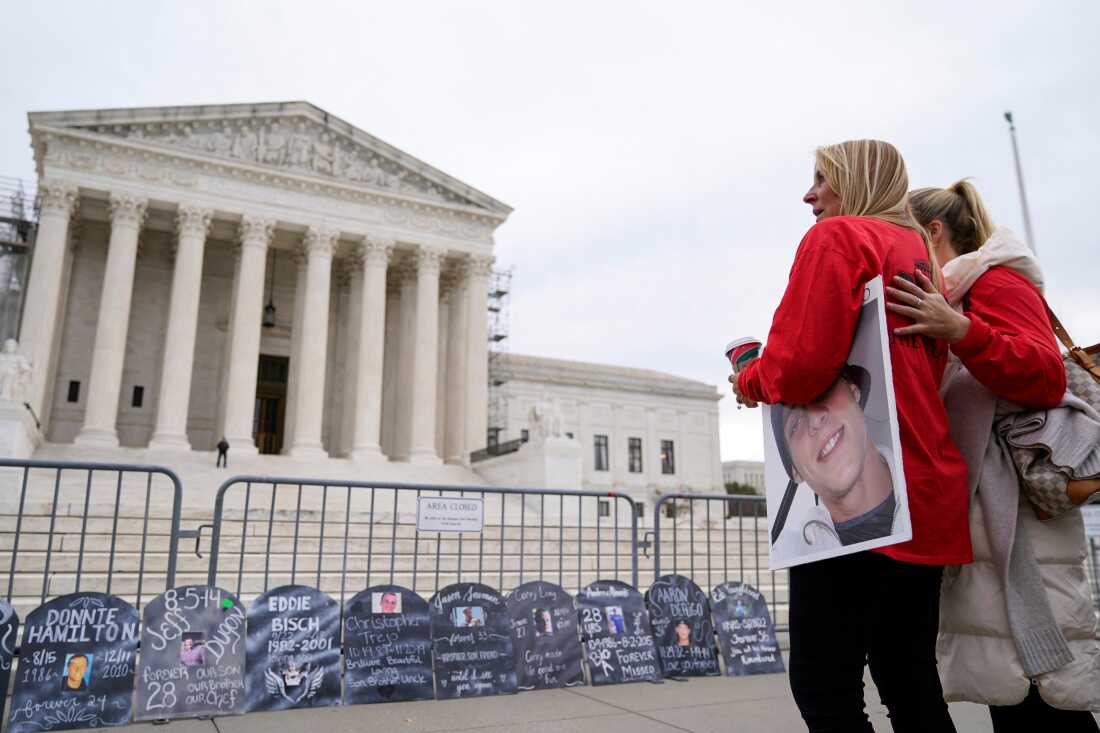
NEW YORK — Purdue Pharma’s $7.4 billion opioid settlement is taking effect just as thousands of opioid victims are being shut out of compensation because they cannot produce old prescription records tying their injuries to Purdue-made drugs, May 2, 2026. The setback stems from documentation rules that require claimants to prove exposure to Purdue opioids years after doctors, pharmacies and insurers may have destroyed or failed to preserve those records.
The settlement, meant to close one of the most consequential legal chapters of the opioid crisis, set aside about $865 million for individuals harmed by Purdue opioids. But a Reuters review of bankruptcy records found that more than 40% of individual claims have already been rejected, with tens of thousands more facing dismissal.
Purdue opioid settlement faces a paperwork test
For many families, the problem is not whether addiction, overdose or death occurred. It is whether they can prove that the prescription came from Purdue rather than a generic manufacturer. The distinction has become decisive because the bankruptcy plan ties payment eligibility to documentation showing use of a qualifying Purdue opioid.
The Purdue Personal Injury Trust’s claim guidance says Non-NAS personal injury claim forms and required supporting documents had to be received by July 28, 2025, at 11:59 p.m. Eastern time. The trust warned that missing the deadline or failing to provide requested information could lead to objections, denial or a claim being valued at $0.
That process has collided with the reality of older medical records. Prescription histories from years ago may no longer exist, pharmacies may have changed suppliers and medical files often list a medication without identifying the manufacturer. Families of deceased claimants also face estate, death certificate and authorization requirements that can add another layer of difficulty.
Settlement takes effect as Purdue becomes Knoa Pharma
Purdue said Friday it had ceased operations and concluded its bankruptcy, re-emerging as Knoa Pharma, a nonprofit successor focused on opioid addiction treatment and overdose reversal medications. According to Reuters’ report on Purdue’s dissolution, Knoa will be overseen by trustees with government, medical and philanthropic backgrounds and will sell certain medicines at or below production cost.
The settlement’s broader structure directs most money to states and local governments, while individual victims or surviving relatives who qualify are expected to receive far smaller payments. The Associated Press reported in its breakdown of the Purdue settlement that eligible individuals may receive up to about $16,000, while the settlement money will be paid over 15 years.
Members of the Sackler family, Purdue’s former owners, are expected to provide at least $6.5 billion of the settlement and have given up their interest in the company. The deal also requires the release of millions of internal Purdue documents, adding to a public record that has already shaped years of litigation and reporting on OxyContin’s role in the opioid epidemic.
Criminal sentence cleared the final hurdle
The settlement moved forward after a federal judge in Newark, New Jersey, sentenced Purdue on April 28. The Justice Department said Purdue was ordered to pay more than $5 billion in criminal penalties for fraud and kickback conspiracies tied to its opioid business.
In practice, the government is expected to collect far less under arrangements linked to the bankruptcy, allowing Purdue’s remaining assets to flow into the settlement framework. No members of the Sackler family or Purdue executives have been criminally charged in the Justice Department case, a point that continues to anger many victims and advocates.
Years of warning signs led to this moment
The paperwork dispute did not emerge in isolation. In 2020, as Purdue’s bankruptcy case moved forward, opioid victims were told they had to file claims to preserve their rights. PBS reported at the time that victims could begin filing claims against Purdue Pharma after the bankruptcy court set a deadline, a process that eventually drew roughly 140,000 individual filings.
Later that year, Purdue’s legal exposure deepened when the company pleaded guilty to federal fraud and kickback conspiracies. The plea marked a major admission of wrongdoing, but it did not resolve how individual victims would prove and receive compensation through bankruptcy.
The settlement then stalled in 2024, when the U.S. Supreme Court rejected an earlier Purdue bankruptcy plan that would have shielded the Sacklers from opioid-related civil lawsuits without claimants’ consent. A Reuters account of the Supreme Court ruling said the 5-4 decision forced Purdue and its creditors back into negotiations, ultimately producing the revised deal now taking effect.
Affidavit option removed from revised plan
One of the most consequential changes involved proof. ProPublica and The Philadelphia Inquirer reported that the revised plan removed a provision allowing victims to submit sworn affidavits when prescription or medical records were unavailable. In its investigation into victims left behind by the settlement, ProPublica said the loss of that option could exclude some of the hardest-hit families.
Supporters of the settlement argue that it still provides a more realistic path to payment than years of individual litigation against Purdue or the Sacklers. Critics counter that a claims process built around old paperwork undermines the settlement’s promise to compensate people harmed during a public health crisis that unfolded over decades.
What happens next
Bankruptcy hearings are expected to continue as the court reviews objections and remaining disputed claims. Some claimants with prescription records, pharmacy documents or other qualifying proof are still expected to receive payments, but others may be left with no compensation despite filing years ago.
The Purdue opioid settlement may close the company’s bankruptcy and redirect billions toward public health programs, but for many families, its legacy will be defined by a narrower question: whether justice can be denied because the proof was lost long before the money arrived.


