

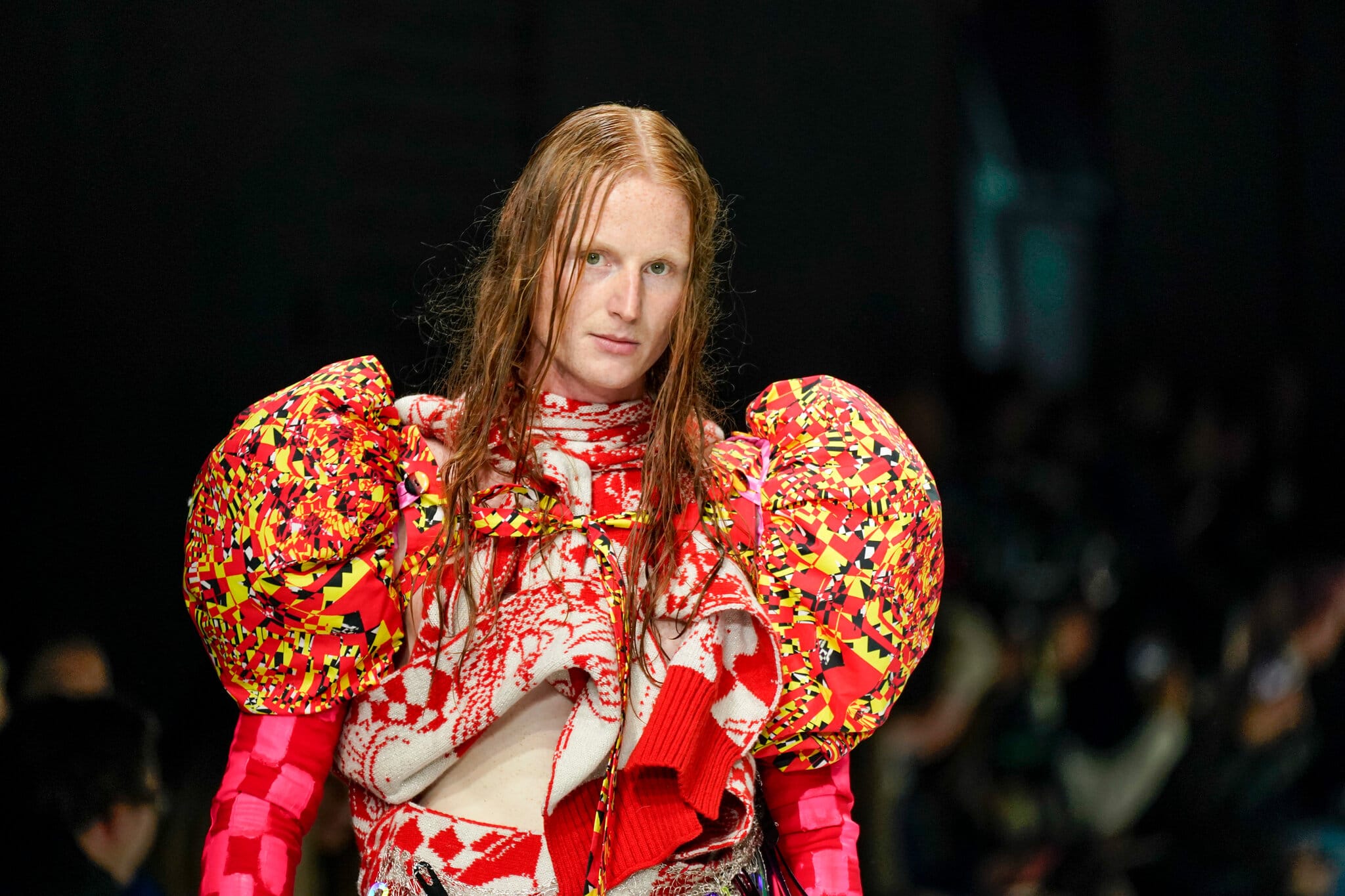
FLORENCE, Italy — Five centuries after Italian noblewomen turned silks, fur and jewels into a language of power, Renaissance fashion is again under the spotlight in museums, archives and on luxury runways from Milan to New York. Scholars and curators are recasting icons like Simonetta Vespucci and Isabella d’Este not just as muses but as early “It girls” who used their wardrobes as strategy, Dec. 10, 2025.
Renaissance fashion as soft power
Renaissance fashion was never just about looking beautiful; it was code. In 15th-century Italian cities, strict sumptuary laws dictated who could wear certain fabrics, colors and jewels, turning clothing into a visible map of status and virtue; as one Met Museum essay on Renaissance fashion and dress codes notes, even pearls and velvet could be legally restricted.
Within that system, elite Italian women learned to bend the rules. Fashion historians writing for the Fashion Institute of Technology’s online “Beauty Adorns Virtue”: Italian Renaissance Fashion project have shown how carefully curated hairstyles, décolletage and rich kirtles were linked to ideals of moral behavior and wifely obedience. Portraits from the 1460s onward show Italian silhouettes softening into flowing drapery, a contrast to the sharper, more angular styles favored in northern Europe.
Simonetta Vespucci, the face that launched a thousand hair trends
The Florentine beauty Simonetta Vespucci, immortalized by Botticelli, may be the closest thing the 15th century had to an influencer. In portraits attributed to him, she appears with a shaved hairline, cascades of crimped hair and intricate nets threaded with pearls and ribbons, a style recent curators have decoded as a deliberate display of marital status, wealth and classical learning. A 2024 San Francisco museum essay on the hidden meanings in Botticelli’s hair argues that such elaborate coiffures were as carefully composed as any dress, making Simonetta’s portrait an instruction manual in elite Renaissance fashion.
Because so few garments from the period survive, art like Botticelli’s has become one of the main archives of Renaissance fashion, from the gleam of slashed velvet sleeves to the stiff bodices that reshaped women’s torsos. Contemporary designers trawling museum collections and digitized archives borrow those details—the high waistlines, the square necklines, the jeweled girdles—and send them back down modern runways, often stripped of the strict moral messaging they once carried.
Isabella d’Este and the politics of Renaissance fashion
If Simonetta Vespucci supplied the fantasy, Isabella d’Este wrote the rulebook. The Marchioness of Mantua kept obsessive wardrobe records, commissioned portraits from artists like Titian and used her clothes as what one Cambridge study calls “sartorial politics,” projecting power for a small but ambitious court. An Australian museum profile notes that she relentlessly chased new fabrics and trimmings, becoming a style setter for courts across Italy and Europe; the Fashioning Isabella d’Este digital project now gathers inventories, letters and portraits to show how carefully she staged every appearance.
Contemporaries noticed. A 2013 post from the National Museum of Women in the Arts describes how Isabella curated her private “studiolo” as a proto-museum and used fashion and collecting to script how visitors moved through her world. Isabella d’Este: Trend-Setter emphasizes that even her choice of lynx fur or Spanish-style sleeves in portraits signaled political alliances as much as personal taste. In other words, Renaissance fashion was diplomacy stitched in silk.
Why Renaissance fashion still feels contemporary
Over the past decade, essays from outlets like Brooklyn Rail and specialist blogs have traced how bodies and garments shaped one another in the Renaissance, arguing that what we now call an “outfit of the day” once carried the weight of rank, reputation and even theology. A 2025 survey of stockings, tunics and gowns notes that, because we mostly know these clothes through portraits, today’s designers are effectively collaborating with long-dead painters when they revive slashed sleeves or brocaded bodices on the runway. When we scroll past corseted gowns, square necklines and puffed sleeves in our feeds, we are still looking at the afterlife of Renaissance fashion—and at the legacy of women like Simonetta Vespucci and Isabella d’Este, who understood that getting dressed was a kind of power play.


