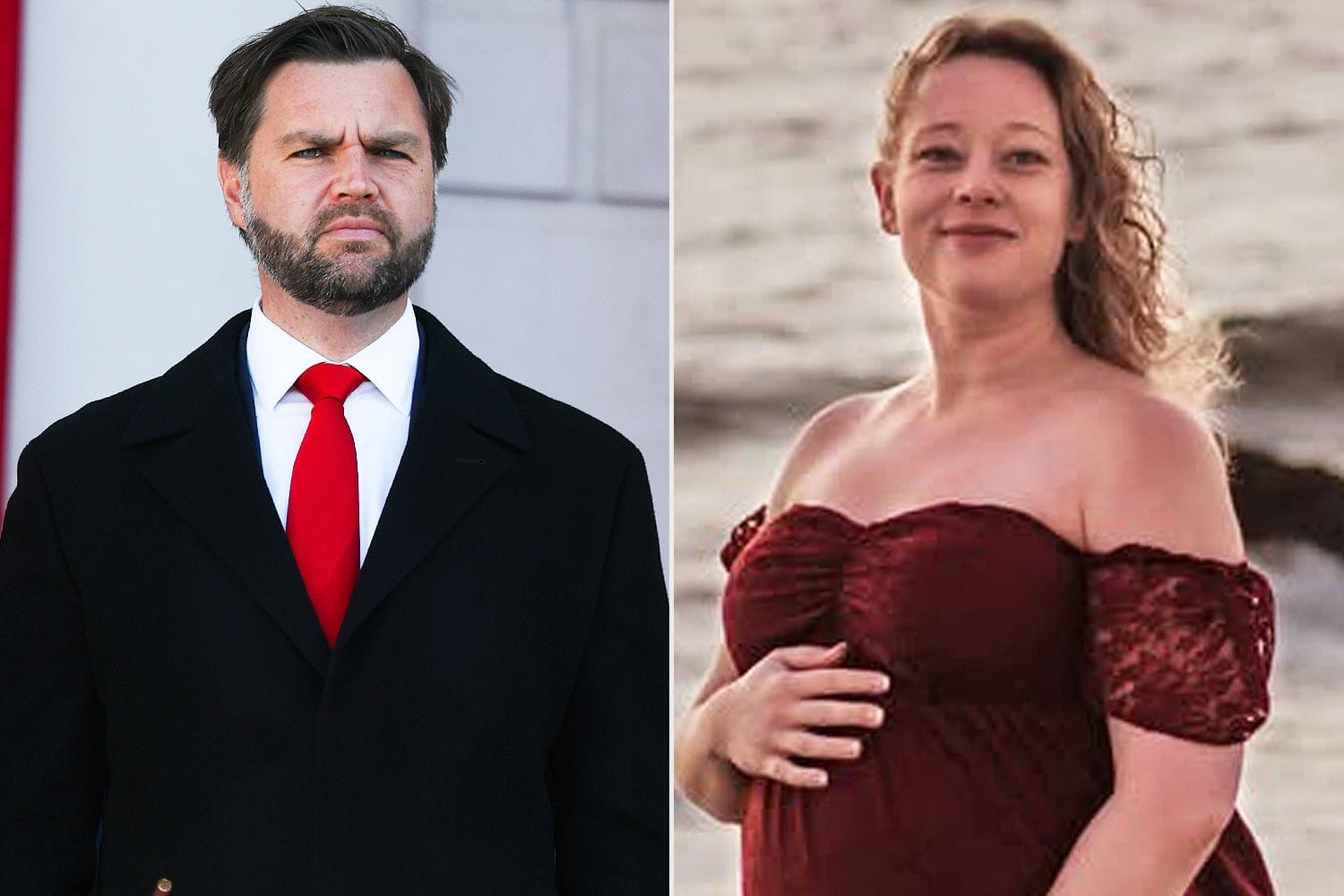
MINNEAPOLIS, Minn. — Hennepin County Attorney Mary Moriarty and Minnesota Attorney General Keith Ellison on Friday opened a state probe into the fatal shooting of Renee Nicole Good by an Immigration and Customs Enforcement agent during a federal operation in a residential neighborhood. The move followed a breakdown in cooperation with federal investigators after the Minnesota Bureau of Criminal Apprehension said it was cut off from key evidence, Jan. 9, 2026.
What we know about Renee Nicole Good’s death
Renee Nicole Good, 37, was driving a Honda Pilot near East 34th Street and Portland Avenue after dropping off her 6-year-old son when federal agents approached her vehicle and ordered her to get out, according to accounts compiled by CBS News and a minute-by-minute ABC News timeline that reviewed multiple videos.
One newly surfaced clip recorded by the ICE agent and reposted by the White House appears to capture some of Good’s final words. In the video described by Reuters, Good is heard telling the officer, “That’s fine, dude, I’m not mad at you,” moments before gunfire.
Federal officials have said the ICE agent fired in self-defense after Good tried to strike him with her vehicle. But ABC News’ review and the video descriptions cited by Reuters indicate the SUV’s wheels appeared to turn away from the agent as it moved forward, a detail that has become central to demands for an independent accounting of what happened in the seconds before Renee Nicole Good was killed.
Why Minnesota opened a Renee Nicole Good state probe
In a BCA statement, Superintendent Drew Evans said the FBI told state investigators that the U.S. Attorney’s Office had reversed course on a joint inquiry and that the BCA would “no longer have access to the case materials, scene evidence or investigative interviews” needed to complete an independent use-of-force investigation.
Evans said the BCA’s Force Investigations Unit — created by the Legislature in 2020 to handle law enforcement use-of-force cases — cannot meet Minnesota’s investigative standards without full access. He said the agency has offered limited help to the county attorney’s office to collect and preserve video and other evidence, and would provide what it gathers to the FBI. The BCA also said it remains open to conducting a full investigation if federal authorities resume a joint approach or share all evidentiary reports.
Moriarty and Ellison said the state has jurisdiction to determine whether charges are warranted and urged the public to submit video, photos and witness information so evidence is preserved even if the federal case file is not shared. A Sahan Journal report said the prosecutors are routing public submissions to the BCA for cataloging and preservation while the state review moves forward; Reuters quoted Moriarty saying “the law is clear: we do have jurisdiction to make this decision.”
Beyond the dispute over jurisdiction, the killing of Renee Nicole Good has triggered vigils and protests in Minneapolis and other U.S. cities. Reuters reported that Good’s wife, Becca Good, said the couple stopped “to support our neighbors” and added: “We had whistles. They had guns.”
Older disputes offer context
The flashpoint comes after months of tension over immigration enforcement in Minnesota. In a June 2025 statement, Moriarty warned that ICE operations in immigrant neighborhoods alongside local law enforcement can cause “grievous and irreparable harm” and discourage witnesses from reporting crimes.
Nationally, fights over the role of federal agents in Democratic-led cities also have precedent. A 2020 Reuters report from Portland documented complaints about unidentified federal officers using force and unmarked vehicles during protests, prompting local leaders to accuse Washington of overreach — arguments that have resurfaced as Minnesota presses for access and transparency after Renee Nicole Good’s death.
For now, the FBI is leading the criminal investigation into Renee Nicole Good’s death, while Minnesota prosecutors say their parallel effort is aimed at preserving evidence and maintaining the state’s ability to evaluate potential charges.