

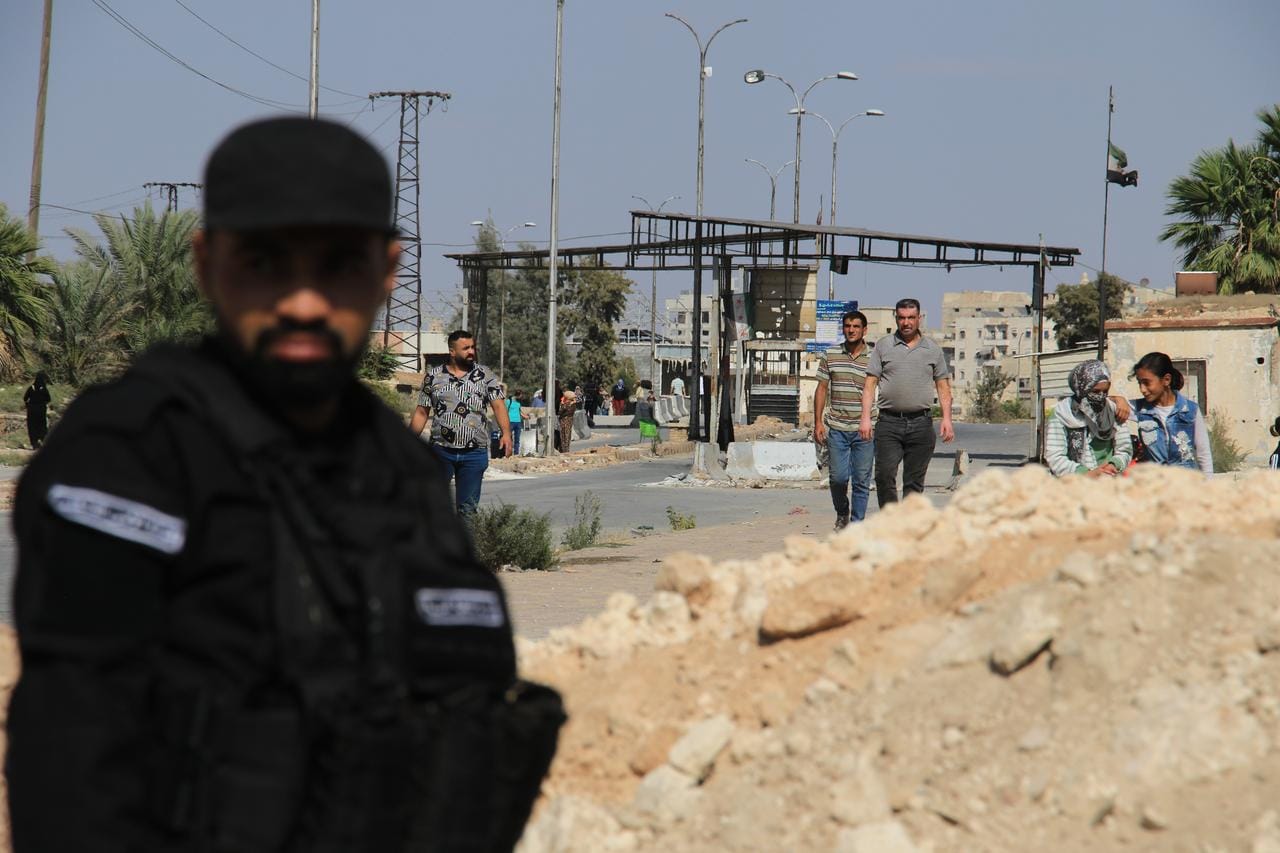
DAMASCUS, Syria — Syrian interim President Ahmed al-Sharaa has pushed government forces into Kurdish-held areas across northern and northeastern Syria over the past two weeks, rolling back years of de facto autonomy maintained by the Kurdish-led Syrian Democratic Forces, or SDF. The offensive has coincided with a U.S. message that SDF integration into the Syrian state is now the preferred path, leaving Kurdish officials accusing Washington of abandoning a longtime ally and raising fresh concerns about the security of Islamic State group detention sites, Jan. 22, 2026.
Officials briefed on recent diplomacy say the campaign was shaped by meetings in Damascus, Paris and Iraq that helped define what Washington would tolerate as the Syrian army advanced. A Reuters report on those closed-door talks said the U.S. did not stand in the way of a limited operation, even as American officials later signaled “grave concern” about civilian protection when the fighting pushed beyond expected lines.
U.S. envoy Tom Barrack has portrayed the shift as a pivot toward a single Syrian partner, arguing Washington has “no interest in maintaining a separate role” for the SDF. In remarks cited by Reuters, he said the force’s original mission against the Islamic State group has “largely expired,” pushing Kurdish leaders toward SDF integration rather than maintaining a separate armed structure.
SDF integration deadline tests the ceasefire
Damascus has paired its gains with a four-day ceasefire and a demand for a concrete SDF integration proposal. In a separate Reuters account of the ceasefire and deadline, Barrack called the government’s offer — described by Syrian officials as including citizenship rights, cultural protections and political participation — the Kurds’ “greatest opportunity.” President Donald Trump also appeared to back al-Sharaa, saying he was “working very hard” while the U.S. was “trying to protect the Kurds,” Reuters reported.
But the truce has already shown signs of strain. Damascus accused the SDF of attacks that killed government soldiers, while the SDF disputed key elements of the allegations and blamed at least one deadly blast on mishandled explosives. The dispute, detailed in another Reuters report from northeastern Syria, underscores how quickly SDF integration talks could unravel into renewed fighting around the group’s remaining strongholds.
Washington, which spent years backing the SDF against the Islamic State group, has increasingly centered its Syria policy on Damascus while trying to contain the fallout. The U.S. military has begun transferring Islamic State detainees from northeastern Syria to secure facilities in Iraq, according to an Associated Press report on the U.S. shift that said Washington focused on mediation rather than intervening militarily as the SDF’s position collapsed.
Why SDF integration keeps stalling
Today’s deadline-driven push follows earlier attempts to formalize SDF integration that never settled the hardest questions: command structure, local governance, and how much decentralization Damascus would accept. In March 2025, al-Sharaa and SDF commander Mazloum Abdi signed a preliminary agreement to fold SDF-run institutions into new state structures, but implementation disputes lingered and later talks stalled.
Kurdish skepticism has also been shaped by past reversals from Washington. In October 2019, the Trump administration said it would withdraw remaining U.S. troops from northern Syria as a Turkish offensive expanded, a move that forced the SDF into urgent security recalculations with Damascus, as described in a Reuters dispatch from that period.
With Syrian troops positioned outside the SDF’s last major cities in the northeast, the next test is whether an SDF integration plan can satisfy Damascus without stripping Kurdish communities of meaningful local protections — and whether outside pressure can keep the ceasefire intact long enough for SDF integration to move from slogans to enforceable terms.


