

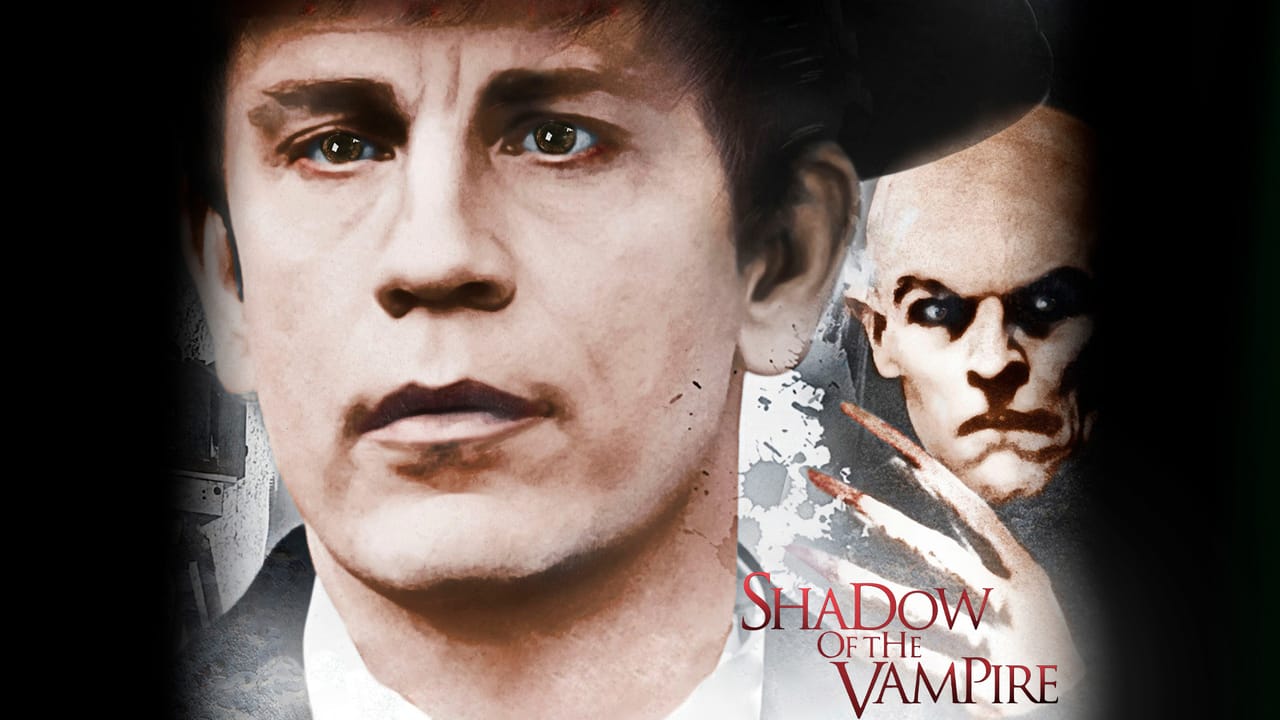
LOS ANGELES — Twenty-five years after its U.S. debut, Shadow of the Vampire still feels like the rare horror film that doubles as a sly piece of film history, turning the 1922 making of Nosferatu into a blood-soaked backstage farce, Dec. 29, 2025. The joke — that actor Max Schreck wasn’t acting at all — lands because the movie treats the premise with straight-faced conviction.
Why shadow of the vampire still bites
Directed by E. Elias Merhige, Shadow of the Vampire imagines German director F.W. Murnau (John Malkovich) bargaining for “authenticity” by casting a real vampire (Willem Dafoe) to play Count Orlok. Shadow of the Vampire is funny in the margins — the crew’s rationalizations, the producer’s appetite for chaos — but it’s also unsettling in the way it maps artistry onto exploitation. Murnau wants immortality on celluloid; Schreck wants blood. Everyone else is collateral.
The craft is easy to miss because the hook is so loud. The movie stages early filmmaking as an endurance sport: harsh lights, blunt demands, and a director who treats people as props until the props start to bleed. That tension helps explain why Shadow of the Vampire has aged better than many turn-of-the-millennium genre hybrids. It plays its bargain straight enough to earn two Oscar nominations — Dafoe for supporting actor and the film’s makeup — at the 73rd Academy Awards.
How it reframed Nosferatu — and the reviews that argued about it
Critics clocked the balancing act early. In his 2001 review, Roger Ebert wrote, “This movie believes in vampires.” The Guardian’s Peter Bradshaw, less charmed, warned that making Schreck “a genuine vampire” gives viewers “twice as much vampire as we really need.” And Salon’s Andrew O’Hehir dismissed some of the film’s self-regard as “art up the butt,” even while acknowledging the magnetism of its casting and premise.
Those disagreements now feel like a preview of the way we argue about “elevated horror” and pop-culture archaeology. Shadow of the Vampire plays film scholarship as suspense: it borrows the real-life mystique around Schreck and the troubled legacy of Nosferatu, whose Dracula-adjacent origins sparked a famous copyright fight. Bram Stoker’s widow Florence sued the production company, and a court ordered prints destroyed — a history outlined in the BFI’s guide to the 1922 original.
Eggers’ revival makes the meta-move feel prophetic
Robert Eggers’ 2024 Nosferatu put Count Orlok back at the center of the culture, and it’s hard not to feel that Shadow of the Vampire laid some groundwork. Merhige’s film treats the original not as untouchable canon, but as a living myth that can be re-staged, argued over and made scary again. That’s the same wager Eggers makes — just without the prank of an undead leading man on set. Eggers’ Dec. 25, 2024, release date, and Dafoe’s involvement in the new film, were detailed in Focus Features’ release announcement.
At 25, Shadow of the Vampire remains essential because it understands the genre’s oldest trick: Monsters are never only monsters. They’re also mirrors — for obsession, power and the stories artists tell themselves to justify the bite.


