

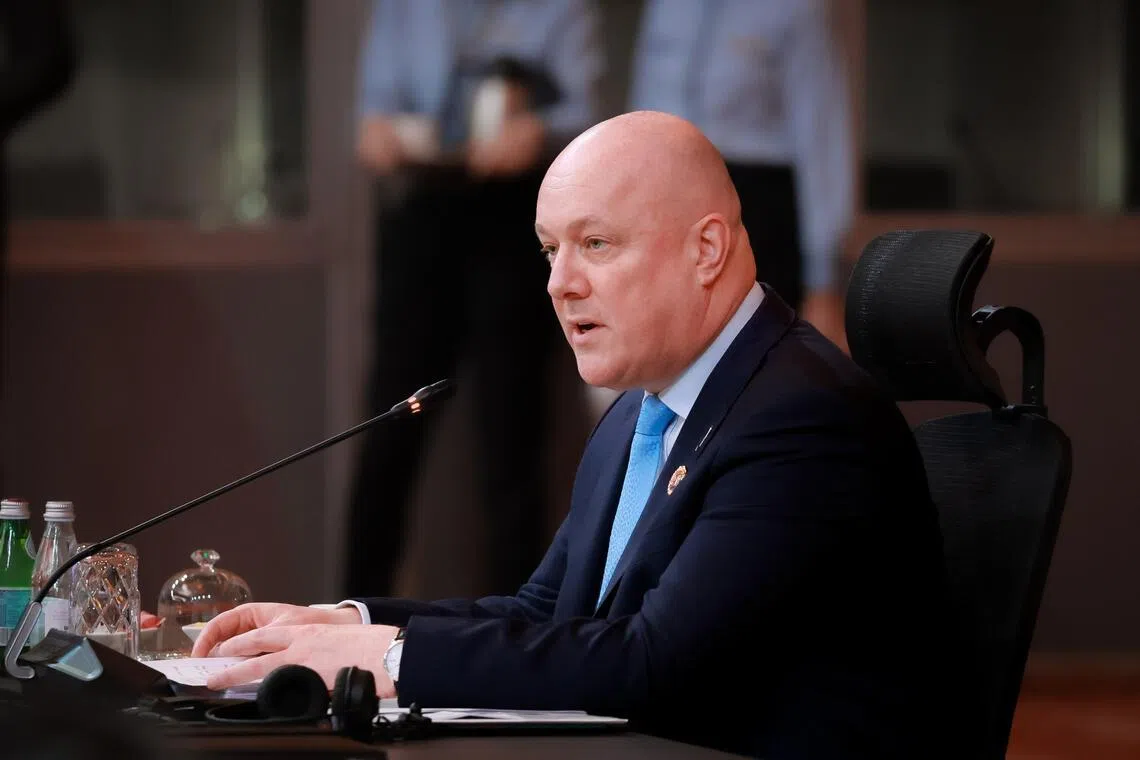
SINGAPORE — Singapore and New Zealand signed a world-first legally binding agreement to keep essential supplies moving between the two countries during crises, strengthening protection for food, fuel, health care products, chemicals and construction materials, May 4, 2026. The pact is designed to prevent unnecessary export restrictions, reassure businesses and consumers, and create a model that other trusted partners could later join.
The Agreement on Trade in Essential Supplies was signed during New Zealand Prime Minister Christopher Luxon’s official visit to Singapore, with Singapore Prime Minister Lawrence Wong also witnessing the signing. Singapore’s Ministry of Foreign Affairs said the deal is a first-of-its-kind bilateral agreement to enhance supply chain resilience and support the continued flow of essential goods, according to the ministry’s joint statement on Luxon’s visit.
Singapore-New Zealand Supply Chain Pact builds crisis safeguards
The agreement gives legal force to a commitment that both governments will not impose export restrictions on an agreed list of essential goods. New Zealand’s Ministry of Foreign Affairs and Trade said the pact will be incorporated into the existing bilateral free trade agreement and includes binding provisions covering goods such as food, fuels, medical equipment and construction materials, according to its Agreement on Trade in Essential Supplies summary.
Singapore and New Zealand have positioned the agreement as a practical response to a period of repeated supply shocks. Reuters reported that the pact comes as global energy supplies face disruption from conflict in the Middle East and noted that about a third of New Zealand’s fuel is refined in Singapore, making the agreement especially important for New Zealand’s energy security.
Wong said the pact sends a signal that trusted partners will keep trade moving even under strain. “It means that even in times of crisis or shortages, we will keep essential goods flowing — food, fuel and other critical supplies,” Wong said, according to Channel NewsAsia’s report on the signing.
Luxon said the deal turns long-standing trust into practical protection. “We have each other’s backs,” he said, according to 1News coverage of the fuel and supply agreement.
Why the pact matters for trade and consumers
For Singapore, the agreement strengthens food, health care and industrial supply security with a trusted partner. For New Zealand, it provides added assurance that critical supplies routed through Singapore, including fuel, can keep flowing during emergencies.
The agreement also creates procedures for information sharing, consultations and the movement of goods during disruptions. That structure matters because supply chain failures often worsen when countries act alone, restrict exports or withhold critical goods during shortages.
Both governments have also said they are open to broader participation. Reuters reported that Wong welcomed other countries in the region joining the standard, while Luxon said like-minded countries could use the framework to rebuild confidence in rules-based trade.
Older cooperation laid the groundwork
The new pact is not an isolated step. It follows years of Singapore-New Zealand cooperation on open markets, emergency supply flows and regional trade rules.
In April 2020, during the COVID-19 pandemic, Singapore and New Zealand launched a nonbinding declaration to keep essential goods moving and avoid tariffs or export barriers. A contemporaneous Singapore Ministry of Trade and Industry release republished by WITA said the effort covered more than 120 essential products and was intended to keep trade lines open during the pandemic.
In April 2022, the two countries moved further by agreeing to launch a supply chain working group. A joint statement from the prime ministers said officials would work with the private sector to identify ways to build more productive, resilient, sustainable and digitally enhanced supply chains.
That momentum continued in October 2025, when Singapore and New Zealand elevated ties to a comprehensive strategic partnership. Reuters reported at the time that the partnership covered next-generation challenges including supply chain resilience, digital trade, climate change and maritime security.
Singapore’s Ministry of Trade and Industry later said the two countries had agreed in October 2025 to a legally binding supply chain resilience agreement for essential goods, calling it a first-of-its-kind arrangement for Singapore in a February 2026 parliamentary reply on trade diversification.
A model for future supply chain protection
The Singapore-New Zealand Supply Chain Pact could become a template for countries seeking to protect essential trade without turning inward during crises. Its significance lies not only in the goods it covers, but in the legal promise that partners will resist export restrictions when pressure is highest.
That makes the agreement both a bilateral safety net and a potential building block for wider trade resilience. If other countries adopt similar rules, the pact could help create a network of trusted economies committed to keeping critical supplies moving through future shocks.


