

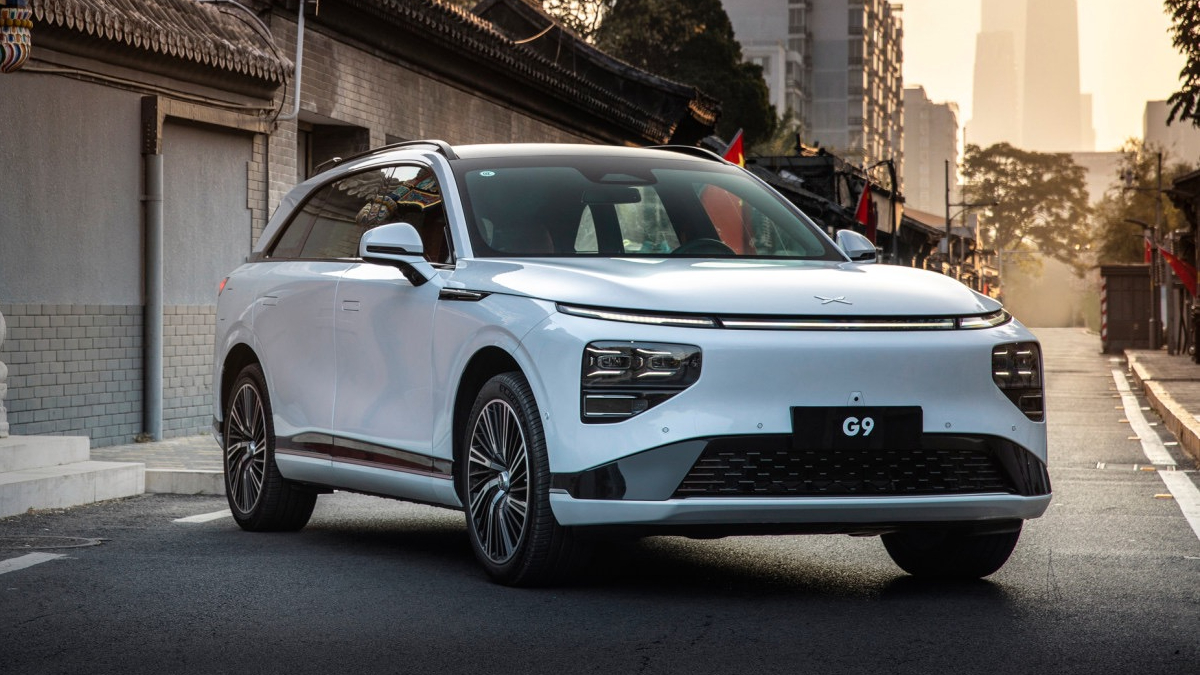
The latest show floor made clear that the competition is no longer just about batteries or range. It is about who can build cars that feel more like connected devices, update quickly and reach buyers at prices many Western and Japanese automakers struggle to match.
China EVs move from domestic disruption to global pressure
Chinese brands including BYD, XPeng, Nio, Zeekr and Chery have turned the world’s largest auto market into a testing ground for electric powertrains, intelligent driving systems and in-car technology. At the 2026 Beijing Auto Show, Chinese automakers emphasized fast charging, digital cockpits and advanced driver-assistance features, according to The Associated Press’ report from the show.
That shift has been building for years. The International Energy Agency said electric car sales exceeded 17 million globally in 2024, with China accounting for more than 11 million of those sales and electric cars making up almost half of all car sales in the country, according to the agency’s Global EV Outlook 2025 executive summary.
The result is a market where Chinese automakers can launch models, cut prices, gather driver data and refine technology at a speed that has become difficult for foreign rivals to match. The pressure is especially acute for companies that long relied on China for growth but now face local competitors with stronger brand momentum among younger buyers.
Beijing Auto Show highlights a reversal for legacy automakers
Foreign automakers once used China mainly as a growth engine. Now, many are using Chinese partners to keep pace. Reuters reported in 2024 that Volkswagen, Toyota and other global automakers arrived at the Beijing Auto Show seeking Chinese partnerships as they tried to catch up with local EV makers in the world’s largest auto market, a shift detailed in Reuters’ coverage of foreign automakers at the Beijing show.
The reversal is stark. China’s EV makers are not simply defending their home market; they are pushing into Europe, Southeast Asia, Latin America and other regions with vehicles that often undercut competitors on price while offering high levels of standard technology.
Chery, China’s largest auto exporter, has become one of the clearest examples of that global push. The company is targeting expansion with brands such as Omoda and Jaecoo and is increasing production in Europe, according to Reuters’ profile of Chery’s global strategy.
Older signals show China EVs did not surge overnight
The current threat did not appear suddenly. In 2019, China was already setting ambitious policy targets for new energy vehicles, with Reuters reporting that Beijing wanted NEVs to account for about a quarter of auto sales by 2025 in a draft industry plan for China’s EV sector.
By 2024, the Beijing Auto Show was already signaling the scale of the transition. Reuters reported that 278 new energy vehicles were scheduled to go on display at that year’s show, underlining how quickly China’s auto market had moved toward electrification in coverage of China’s all-electric auto show push.
That same year, the threat became easier to understand through individual vehicles. AP reported that BYD’s small Seagull EV, priced around $12,000 in China, had alarmed U.S. automakers and politicians because it delivered quality at a price far below many American EVs, as shown in AP’s examination of BYD’s low-cost Seagull.
Tariffs show the global auto industry is already reacting
The global response has moved beyond concern. The European Union imposed definitive duties on battery electric vehicles from China after concluding that Chinese EV value chains benefited from unfair subsidies, according to the European Commission’s announcement on duties for Chinese electric vehicles.
The tariffs reflect a broader fear: Chinese automakers could use their domestic scale and cost advantage to take share from established brands in Europe and other mature markets. That concern has only grown as Chinese exports rise and European policymakers debate how to protect industrial capacity without slowing the transition to cleaner transport.
The pressure has continued into 2026. The Guardian reported that Europe faces a new “China shock” as EV and hybrid imports help drive Beijing’s trade surplus with the bloc, with Europe now a major destination for Chinese vehicle exports, according to The Guardian’s report on Chinese EV exports to Europe.
BYD shows both the power and strain of the China EV boom
BYD remains the most visible symbol of China’s EV rise, but its recent performance also shows how fierce the domestic market has become. Reuters reported that BYD’s sales downturn extended to an eighth straight month in April 2026, even as its overseas sales continued to grow, according to Reuters’ latest report on BYD sales.
That tension is important. China’s EV market is powerful partly because it is unforgiving. Price wars, quick model refreshes and demanding consumers force automakers to improve rapidly. The same pressure that hurts margins at home can make Chinese brands more competitive abroad.
For legacy automakers, the lesson from Beijing is clear: the EV race is not waiting for traditional product cycles. China’s automakers are setting the pace in affordability, software and speed to market, and the rest of the industry is now reacting to a shift that has been years in the making.
The Beijing Auto Show revealed more than a crowded field of new electric models. It showed an industry realignment in which China EVs have moved from emerging challengers to global competitors capable of reshaping pricing, technology expectations and trade policy.
The threat is powerful because it is not based on one company or one vehicle. It is built on policy support, battery supply chains, domestic scale, export ambition and a consumer market that has pushed automakers to innovate faster than many rivals expected.


