

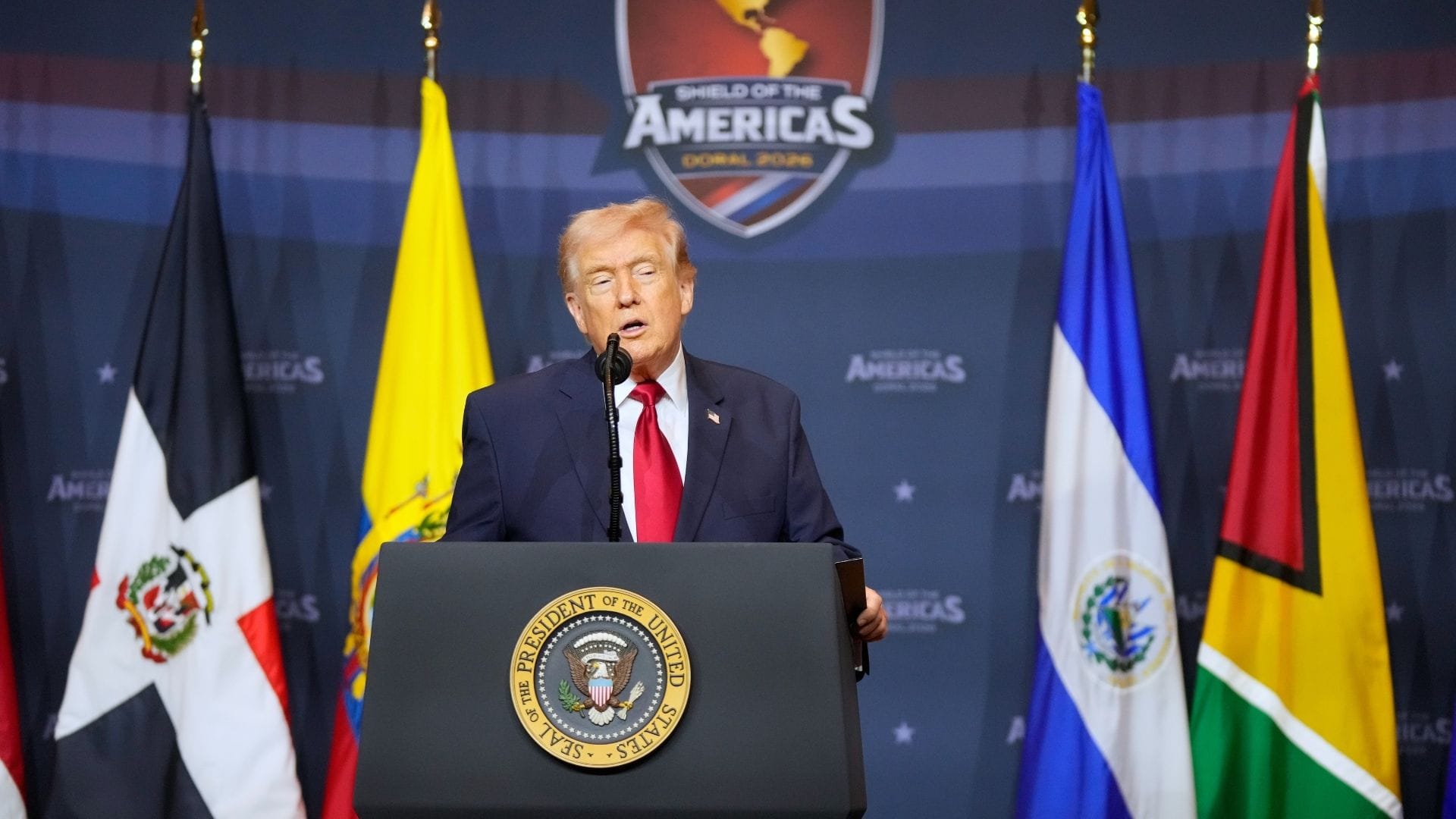
What Trump Cuba talks mean right now
Speaking aboard Air Force One, Trump said the United States is talking with Cuba and could soon either reach an agreement or “do whatever we have to do”. He also said the administration would handle Iran before Cuba, a formulation that reinforced Havana’s place behind the White House’s more urgent Middle East agenda and echoed his earlier talk of a possible “friendly takeover.”
That message came only days after Cuban President Miguel Díaz-Canel confirmed that Havana has opened talks with Washington and said no fuel has reached the island for three months. With outages in Havana stretching well beyond half the day, the contacts are unfolding under conditions closer to crisis management than routine diplomacy.
Why Trump Cuba talks are colliding with the blackout crisis
The pressure is visible well beyond official statements. An impromptu student sit-in at Havana University over the energy crisis showed how the island’s fuel squeeze has begun to disrupt classes, transportation and internet access, turning the blackout emergency into a political issue for younger Cubans as well as a daily hardship.
Elsewhere, frustration has already burst into the open. On Saturday, protesters attacked a Communist Party office in Morón after a demonstration over power cuts and food shortages turned violent, an unusually sharp flare of public dissent in a system where such outbursts remain rare.
For Trump, that combination of scarcity and unrest increases the pressure around any negotiation. Cuba is entering the talks under visible economic strain, while Washington is signaling that any relief or reset would come only on terms it defines.
How Trump Cuba talks fit the longer U.S.-Cuba cycle
The current opening is not emerging from a blank slate. In 2014, Washington and Havana agreed to restore diplomatic ties after more than 50 years, reopening embassies and producing the most significant bilateral thaw since the Cold War.
That thaw never fully settled into a stable framework. In 2017, Trump rolled back parts of Barack Obama’s Cuba policy, tightening restrictions while keeping some elements of the earlier opening in place. That history helps explain why any new contact is being read less as a breakthrough than as another sharp turn in a long, cyclical dispute.
Where Trump Cuba talks may go next
Trump’s reference to acting on Cuba after Iran was not incidental. At the same time he was discussing Havana, he was also pressing other countries to help secure the Strait of Hormuz during the war on Iran, underscoring that Cuba is being handled inside a wider strategic timetable rather than as a stand-alone file.
Both governments now acknowledge some form of engagement, but the gap between Cuba’s call for a respectful dialogue and Trump’s mix of deal-making and warning leaves the next step uncertain.


