

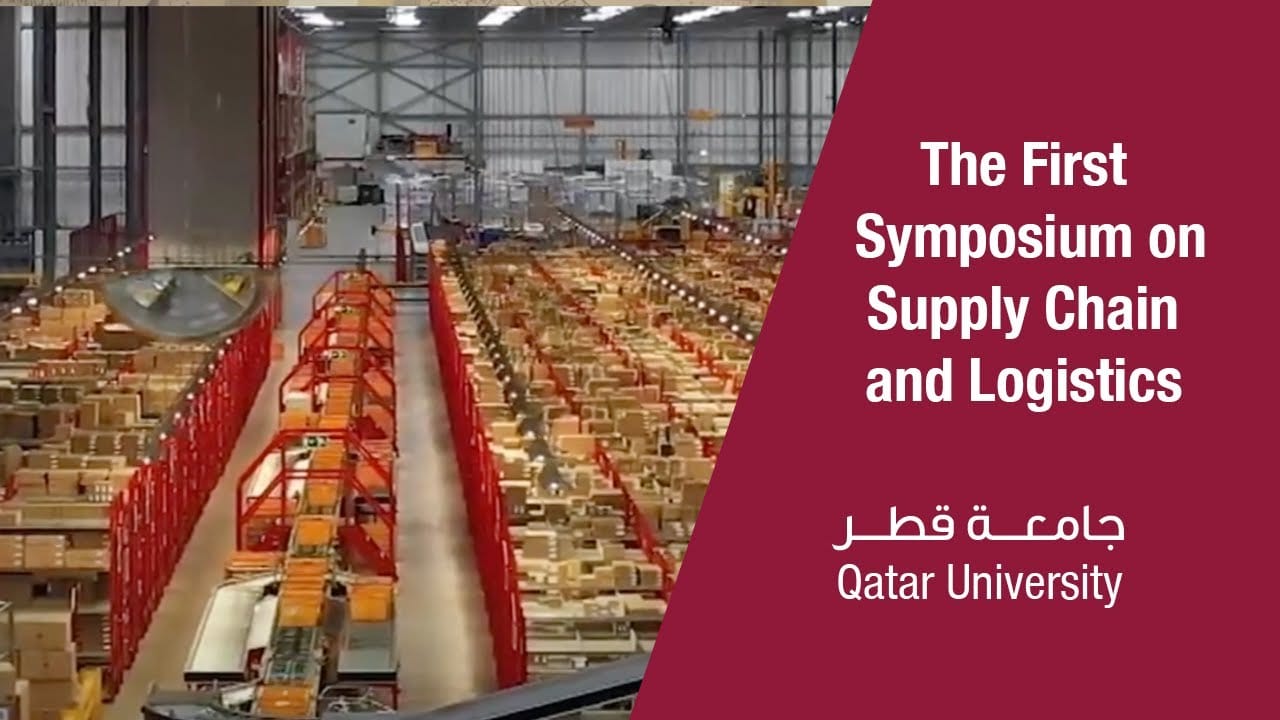
DOHA, Qatar — Officials say supply chains in Qatar are holding up despite disruption in the Strait of Hormuz, with the country carrying enough strategic food reserves for 18 months and alternative freight plans already in motion to keep essential goods moving. The resilience reflects years of contingency planning, broader domestic food output and customs systems designed to shift cargo across sea, air and land routes with less paperwork and faster release times, March 18.
Qatar supply chains lean on reserves and real-time oversight
The Ministry of Commerce and Industry says markets remain stable and well-supplied, backed by real-time stock monitoring, an operations center that tracks goods from entry points to warehouses and retail shelves, and more than 300 inspectors overseeing compliance. The ministry also says Qatar had more than 138 food factories and more than 2,000 locally produced products in 2025, giving retailers a broader domestic buffer if imported shipments slow.
The picture is reinforced by the interior minister, who said Qatar had expanded strategic food reserves to 18 months from nine months and opened additional supply lines without yet needing to draw down those stocks. That matters in a country where authorities want reserve policy to absorb short-term shocks before consumers see empty shelves or sharper swings in staple prices.
Digital customs help keep cargo moving
The broader regional backdrop remains difficult. Reuters reported that Gulf importers are scrambling to reroute food, medicines and industrial supplies as alternative ports face congestion, with around 70% of the Gulf’s food imports typically moving through Hormuz. For Qatar, that makes speed at the border almost as important as the stockpile itself.
Qatar Customs chairman Ahmed bin Abdullah Al Jamal told Al Jazeera that digital customs infrastructure built around the Al Nadeeb single-window platform is helping offset that pressure. He said priority food shipments have fast-track lanes, customs points are running around the clock, and sea, air and land options anchored by Hamad Port, Hamad International Airport cargo facilities and the Abu Samra border crossing remain available. He also said e-TIR integration allows authorities to exchange shipment data in advance, run risk checks before cargo arrives and shorten release times.
Qatar supply chains were rebuilt before this disruption
The current response did not begin this month. When Gulf neighbors severed transport links in 2017, Reuters reported that new shipping routes via Oman were opened to keep food flowing into Qatar, an early sign that Doha would try to rewire its logistics map rather than wait out the shock.
That emergency logic later hardened into policy. In December 2024, Doha launched the National Food Security Strategy 2030, built around domestic production, stronger strategic reserves, early warning systems and more diversified sourcing through international trade and partnerships.
The customs side was also being upgraded before the latest disruption. In May 2025, Qatar Customs announced direct integration between Al Nadeeb and IRU’s digital TIR service, creating secure real-time data exchange for road shipments and a more automated clearance process at land crossings.
None of that makes Qatar immune to higher freight bills or longer transit times. Airlifts and land trucking cost more than normal sea freight, and any prolonged regional disruption would still test inventory discipline across the Gulf. But compared with the last major regional supply shock, Qatar enters this one with deeper reserves, better stock visibility and a customs network that is already built to move cargo faster under stress.


