

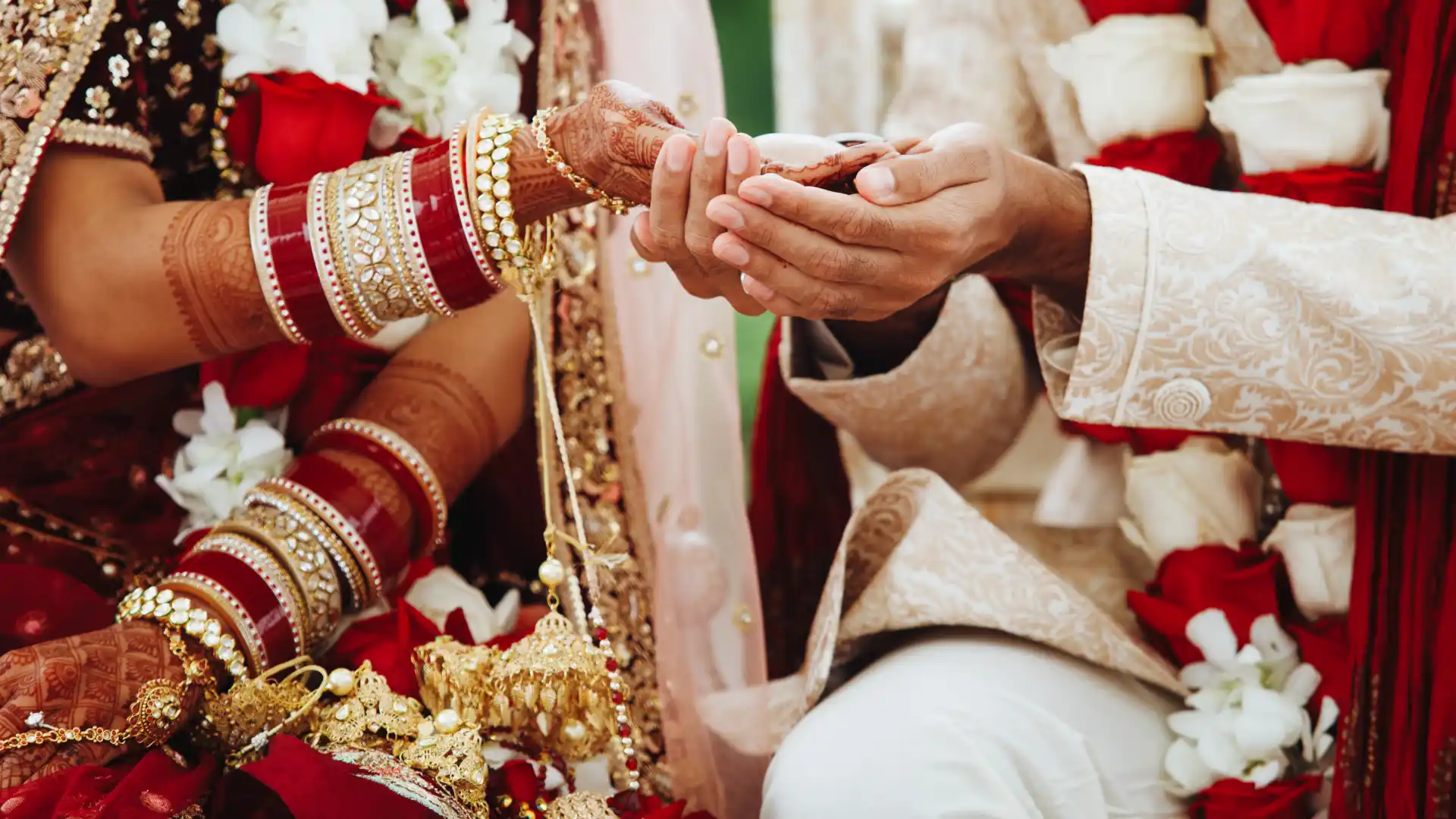
NEW DELHI — Families across India are facing a steeper marriage bill as wedding budgets keep climbing, more couples tap loans or sell assets, and the country’s most tradition-bound expenses — especially gold, venues and catering — get harder to absorb, April 5, 2026.
The result is a widening gap between what weddings symbolize socially and what they cost financially, turning one of India’s proudest cultural industries into a source of long-tail stress for households that feel they cannot afford to look modest.
Why India wedding cost keeps climbing
Different industry surveys use different samples, but they all point in the same direction. WeddingWire India’s 2024-2025 newlywed survey, based on responses from more than 1,500 couples married in 2024, put the average wedding celebration at ₹29.6 lakh, up from ₹20 lakh in 2022. It also found that 30% of respondents spent more than ₹30 lakh, 25% spent more than ₹40 lakh and 17% crossed the ₹50 lakh mark.
The numbers look even heavier in WedMeGood’s 2024-2025 industry report, which estimated the average wedding budget at ₹36.5 lakh and said weddings were 7% more expensive than in 2023. The report also said venue and catering prices had risen more than 10%, and that more than 80% of wedding spending still came from personal or family savings, while about 12% relied on loans and another 6% came from liquidating assets.
That same WedMeGood report said India’s 2024 wedding season was expected to generate roughly ₹6 trillion in business, which helps explain why the market keeps rewarding scale even when families are under pressure.
By late 2025, the pressure had moved up again. WedMeGood’s 2025-2026 annual report said average wedding spend had climbed to ₹39.5 lakh and the average wedding loan had reached ₹15.5 lakh. That is no longer a minor cash-flow patch. It is the kind of borrowing that can reshape a household budget well beyond the reception.
How India wedding cost is feeding the debt cycle
The Reserve Bank of India does not publish a dedicated wedding-loan series, but the wider credit backdrop is increasingly uncomfortable. Reuters’ June 2025 report on the RBI’s Financial Stability Report said household debt had risen to 41.9% of GDP by December 2024, while non-housing retail loans — largely used for consumption — made up 54.9% of total household debt as of March 2025. The same report said stress was rising in credit cards, personal loans and microfinance.
The central bank did not single out weddings as the cause of that shift. But when one life event can regularly cost ₹30 lakh to ₹40 lakh or more, the line between celebration and consumption debt starts to blur. When a wedding is financed through personal loans, cards or other short-term borrowing, it enters the same retail-credit system the RBI is already watching more closely.
Gold is turning the budget into a moving target
Gold remains the hardest line item to trim because it is both ritual purchase and status signal. Weddings are a major driver of gold buying in India, and Reuters reported in February 2025 that domestic gold prices had hit a record ₹86,360 per 10 grams after rising more than 21% in 2024 and more than 10% early in 2025, while jewellers said wedding-season demand had fallen 70% to 80%.
That does not automatically make Indian weddings smaller. More often, it forces trade-offs: buy less gold, postpone purchases, or cut elsewhere in décor, gifting, hospitality and travel. The ceremony survives; the financial cushion does not.
Older warnings show the problem did not start this year
The stress is older than the current luxury wave. A 2019 Reuters report described poor families in Madhya Pradesh taking loans for daughters’ weddings and falling deeper into debt. Al Jazeera reported in 2021 that brides’ families were still being pushed beyond their means by a culture of extravagance and exploitative practices.
What has changed since then is the scale suggested by newer surveys. When average budgets are approaching ₹40 lakh and average wedding loans have climbed into the mid-teens, the strain becomes harder to dismiss as something confined to poorer households or isolated cases.
What comes next for India wedding cost
Unless social expectations soften, the likelier outcome is not a true retreat but smarter trimming at the edges: smaller guest lists, tougher vendor negotiations, lighter jewellery and fewer add-on events. But those adjustments only help if families are willing to challenge the idea that a successful wedding must look expensive.
That is the heart of the India wedding cost crisis. The industry looks healthy from the outside, vendors keep benefiting, and the spectacle keeps growing. Underneath it, many households are paying with hard-earned savings, sold assets or debt that lasts far longer than the vows.


