

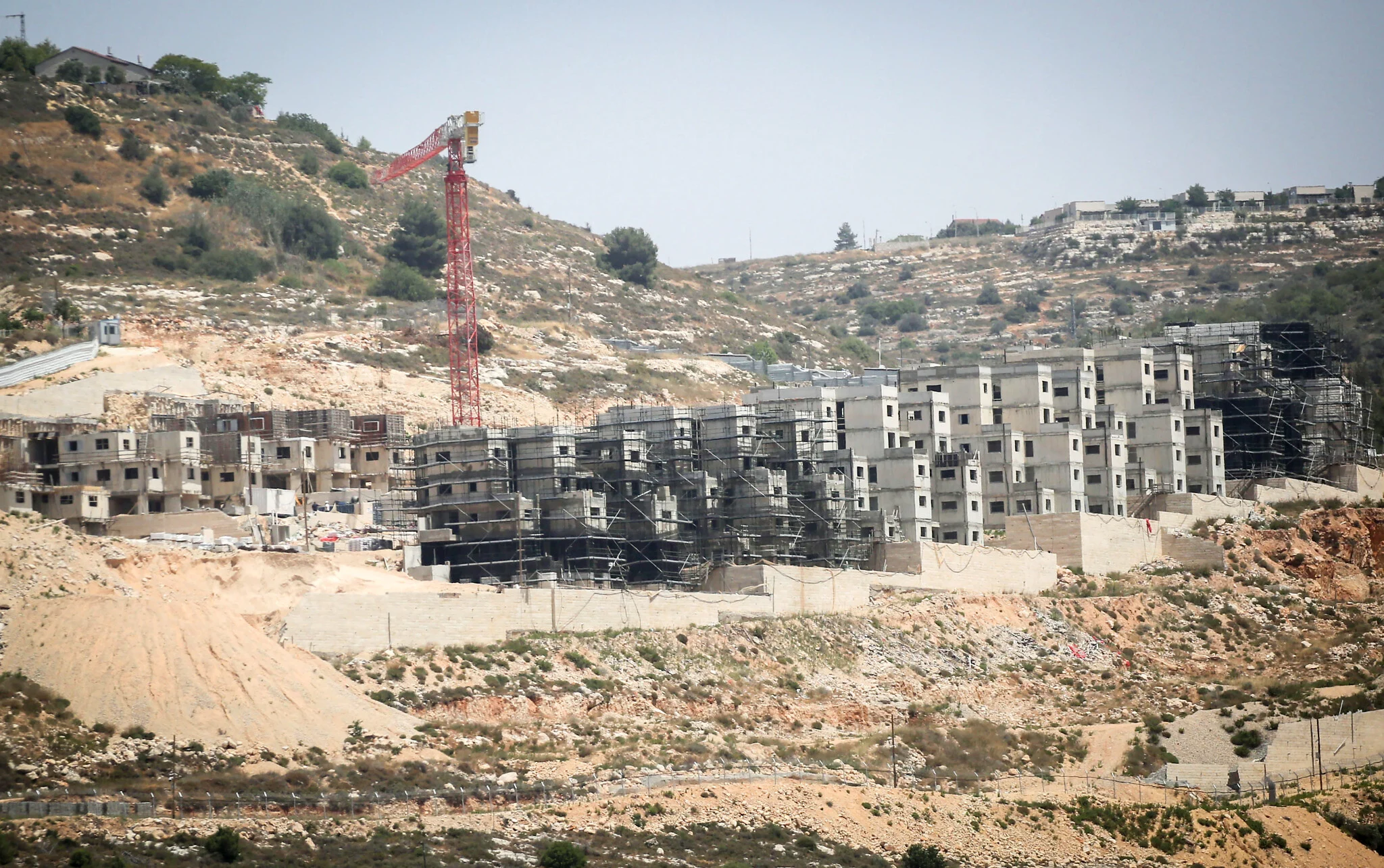
According to Reuters’ April 9 report, the decision was never formally announced by Prime Minister Benjamin Netanyahu’s government and surfaced only after publication was cleared by Israel’s military censor. Reuters said many of the 34 approvals involve remote outposts, and Netanyahu’s office did not immediately respond to a request for comment.
Why the West Bank settlements decision matters
Peace Now said the package includes both brand-new settlements and outposts retroactively legalized under Israeli policy, lifting the current government’s total to 102 settlement decisions since it took office. The watchdog said the scale of the move goes beyond routine planning approvals and reflects a deliberate effort to make any future territorial compromise far harder.
That criticism was echoed abroad. In a statement issued April 10, the European Union said the decision is illegal under international law and severely damages prospects for peace and a two-state outcome. Palestinian officials called it a flagrant violation of international law, while Israel has long rejected the broad international consensus on settlements, arguing the West Bank is disputed rather than occupied territory and citing historical and security claims.
The approval also surfaced amid rising settler violence and Palestinian displacement in rural parts of the West Bank, where critics say administrative settlement moves and violence on the ground increasingly reinforce one another.
West Bank settlements are part of a longer trend
This week’s decision did not emerge in isolation. In May 2025, Reuters reported that Israel approved 22 new settlements in the West Bank, including the legalization of several outposts, despite warnings from European governments that continued expansion could trigger sanctions and further strain ties with key allies.
The pace continued later in the year. In December 2025, Reuters reported that Israel had given legal status to 19 more settlements, including two evacuated during the 2005 disengagement. Taken together with the latest approval, those steps suggest a clear shift from incremental building approvals toward broader political and legal normalization of West Bank settlements themselves.
For now, the immediate effect is another sharp escalation in a dispute long at the heart of the Israeli-Palestinian conflict. The longer-term consequence may be that each new settlement decision makes the territorial map more difficult to reverse and any eventual diplomatic settlement harder to negotiate.


