

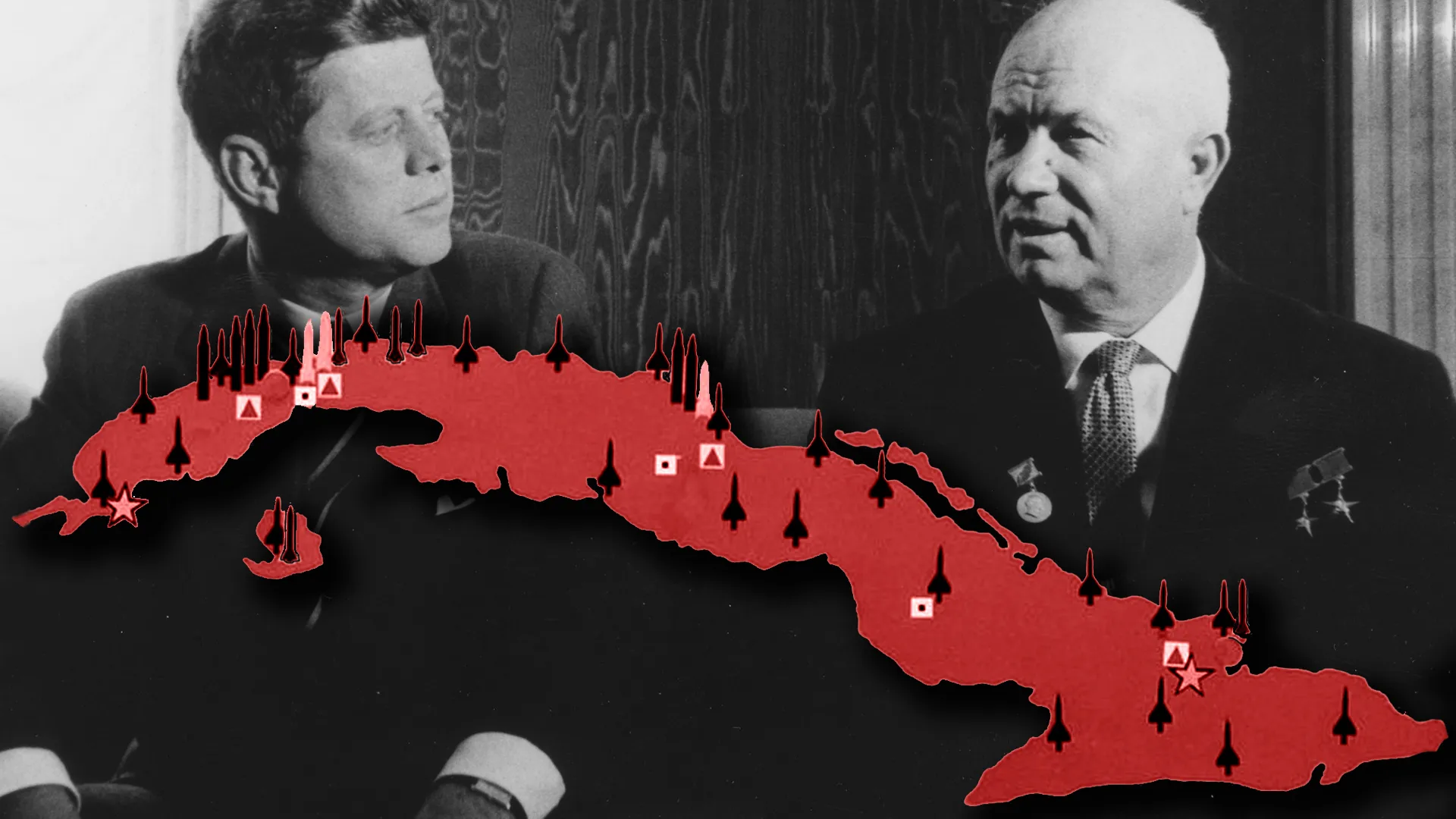
HAVANA, Cuba — Cuba’s economic slide accelerated Sunday as fuel shortages and longer blackouts rippled across the island after the United States threatened new tariffs on countries that supply Cuba with oil. The widening squeeze, compounded by the suspension of shipments from Venezuela and a pause in deliveries from Mexico, has pushed prices higher and sent the Cuban peso down more than 10% against the dollar in three weeks, Feb. 1, 2026.
President Donald Trump signed an executive order Thursday declaring a national emergency regarding Cuba and creating a tariff system aimed at imports from countries that sell or provide oil to the island, according to a White House fact sheet. An Associated Press report published by NBC said Mexican President Claudia Sheinbaum told reporters that her government had at least temporarily stopped oil shipments to Cuba, calling it a sovereign decision.
Cuba crisis spreads from fuel lines to food prices
For many families, the Cuba crisis is measured in hours without power and kilometers walked for basic goods. In Havana, residents interviewed by Reuters described daily outages lasting 8 to 12 hours and gasoline increasingly sold in dollars — out of reach for many Cubans paid in pesos. “There’s no salary that can cope with this,” said Yaite Verdecia, a Havana housewife.
Energy supplies are the immediate choke point. Venezuela, once the island’s top provider, has not sent crude or fuel to Cuba for about a month, according to shipping data and internal documents cited by Reuters. Mexico’s state oil company, Pemex, has become a “critical, though insufficient, lifeline,” but Sheinbaum called shipment decisions “sovereign” and said any changes would be announced. Reuters reported Mexico supplied about 5,000 barrels a day in 2025 and exported far more during parts of the year, underscoring how exposed Cuba is when even one cargo is delayed.
Cuban officials have condemned the tariff threat and warned it could deepen shortages of food, medicine and fuel. Cuba’s foreign minister, Bruno Rodríguez, declared an “international emergency” in response, according to Reuters, as officials offered few specifics on how they would stabilize supplies if tankers stay away.
Trump has framed the measure as leverage to force talks, saying, “They have no money. They have no oil,” and predicting Cuba will seek negotiations. In comments reported from Air Force One, he said Cuba’s vulnerability reflects the loss of Venezuelan support that had covered roughly a third of the island’s daily oil needs in 2025. Reuters reported Trump’s remarks.
How the Cuba crisis built over years
The Cuba crisis has roots well beyond this week’s tariff threat. A 2019 Reuters explainer traced earlier fuel shortages to reduced Venezuelan shipments and U.S. sanctions that made moving oil harder. Al Jazeera’s 2021 reporting described how Cuba’s currency overhaul devalued the peso and warned of painful adjustments that would filter through wages and prices. And a Reuters report from March 2024 described rare protests in Santiago as blackouts and shortages fueled frustration.
Even if oil flows resume and tariffs are delayed or eased, the Cuba crisis has exposed how thin the island’s margin has become. For now, residents say the priority is simple: find fuel, find food and hope the peso buys something by the end of the week.


