

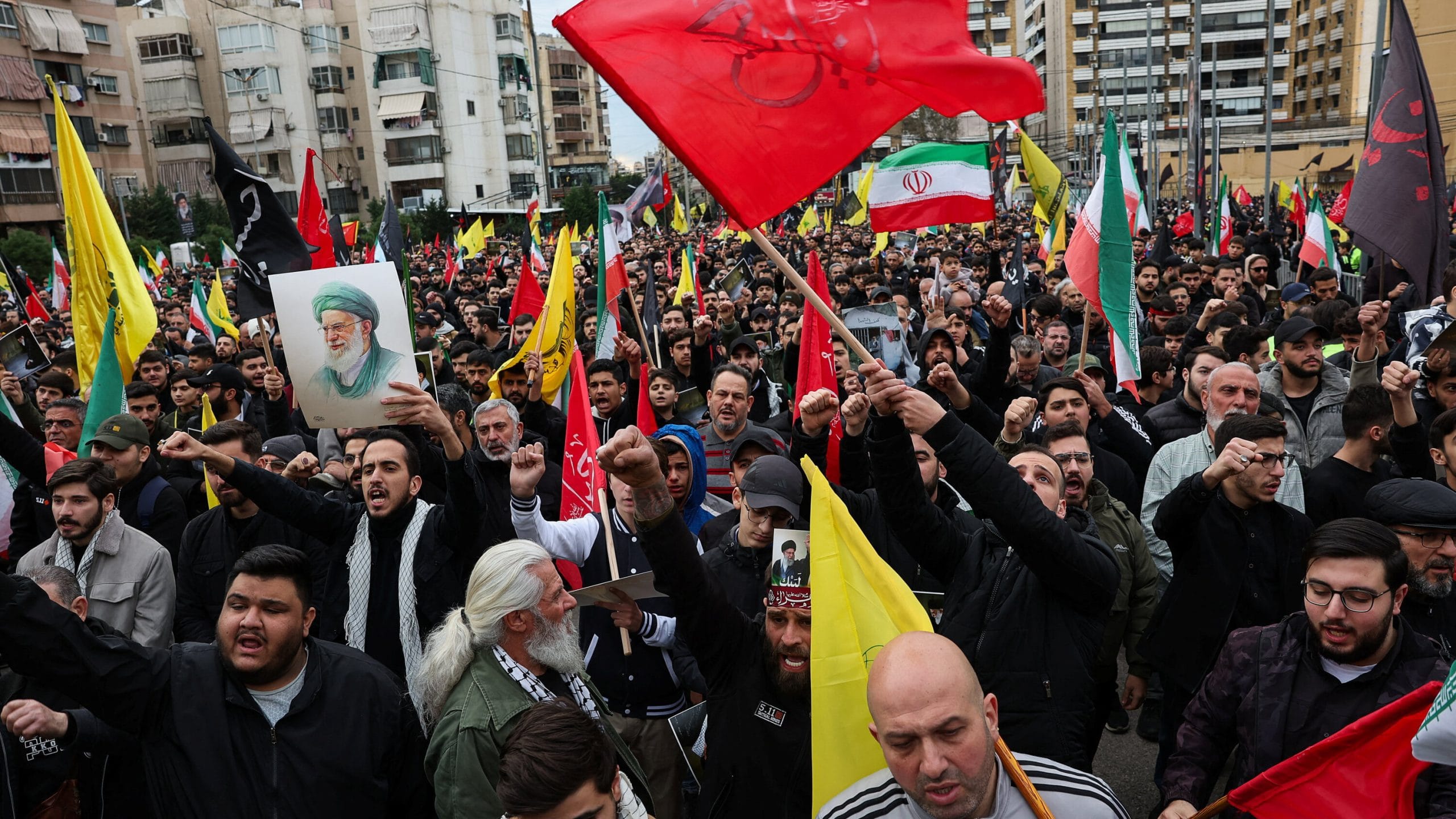
BEIRUT, Lebanon — Hezbollah is reverting to small-unit guerrilla warfare in south Lebanon as Israel expands airstrikes and troop movements in a widening offensive, according to Lebanese and Israeli sources, March 11, 2026. The shift reflects Hezbollah’s effort to survive a heavier Israeli campaign by fighting in smaller formations, limiting electronic exposure and preparing for a long war of attrition.
In a detailed Reuters report on Hezbollah’s return to guerrilla roots, fighters were described as operating in small groups near Khiyam, close to the point where Lebanon meets Israel and Syria. Rather than advertise strength, the group appears to be rationing key anti-tank fire, avoiding vulnerable communications gear and leaning on terrain, concealment and local knowledge.
Why Hezbollah is falling back on guerrilla warfare
The logic is brutally simple. Israel says it has struck hundreds of Hezbollah targets since March 2 and has pushed more soldiers deeper into the south, while Hezbollah has continued daily drone and rocket fire. In Reuters reporting on Israel’s intensifying offensive, an Israeli envoy said “the key to ending the war” was disarming Hezbollah, underscoring how little space remains for a quick de-escalation.
The Beirut government last week banned Hezbollah’s military activities, underscoring how pressure now comes from Beirut as well as from Israel. Hezbollah has cast its decision to keep fighting as “existential defence,” but critics inside Lebanon say the group has again dragged the country into a war it is struggling to absorb.
Hezbollah and Lebanon face a widening civilian toll
The tactical reset is unfolding alongside a fast-moving humanitarian crisis. U.N. agencies told Reuters that more than 667,000 people had been displaced inside Lebanon within a week and that 84 children were among the dead, while hospitals and primary health centers in the south were already under severe strain. Later Lebanese authorities were citing more than 759,000 displaced as strikes spread.
There was little evidence Wednesday that the offensive was narrowing. In a Reuters dispatch early Wednesday, Israeli strikes were reported on an apartment building in central Beirut, the second such strike in the city in recent days. That suggested the war was broadening geographically even as Hezbollah tried to narrow its own battlefield exposure.
Hezbollah’s 2024 scars still shape this fight
This is not a new Hezbollah playbook so much as an old one revived under pressure. As a Reuters history of Israel-Lebanon border warfare notes, Hezbollah was forged in the 1980s during guerrilla war against Israeli forces in the south, and the 2006 war again showed how survival itself could be framed as victory. In that sense, 2026 looks less like reinvention than reversion.
Two episodes from 2024 help explain the mechanics of the shift. The pager attack that threw Hezbollah into disarray exposed how vulnerable its communications network had become, making today’s emphasis on tighter electronic discipline easier to understand. And the U.S.- and France-brokered ceasefire reached in November 2024 never produced the durable buffer or political trust needed to keep the border quiet.
That is why Hezbollah’s return to guerrilla tactics matters beyond battlefield jargon. The group enters this round weaker, more isolated and under more domestic pressure than in earlier wars, yet it still believes it can make any Israeli advance slow, costly and politically painful. Whether that bet succeeds may depend less on Hezbollah’s ability to fire than on its ability to survive while Lebanon absorbs another devastating war.


