

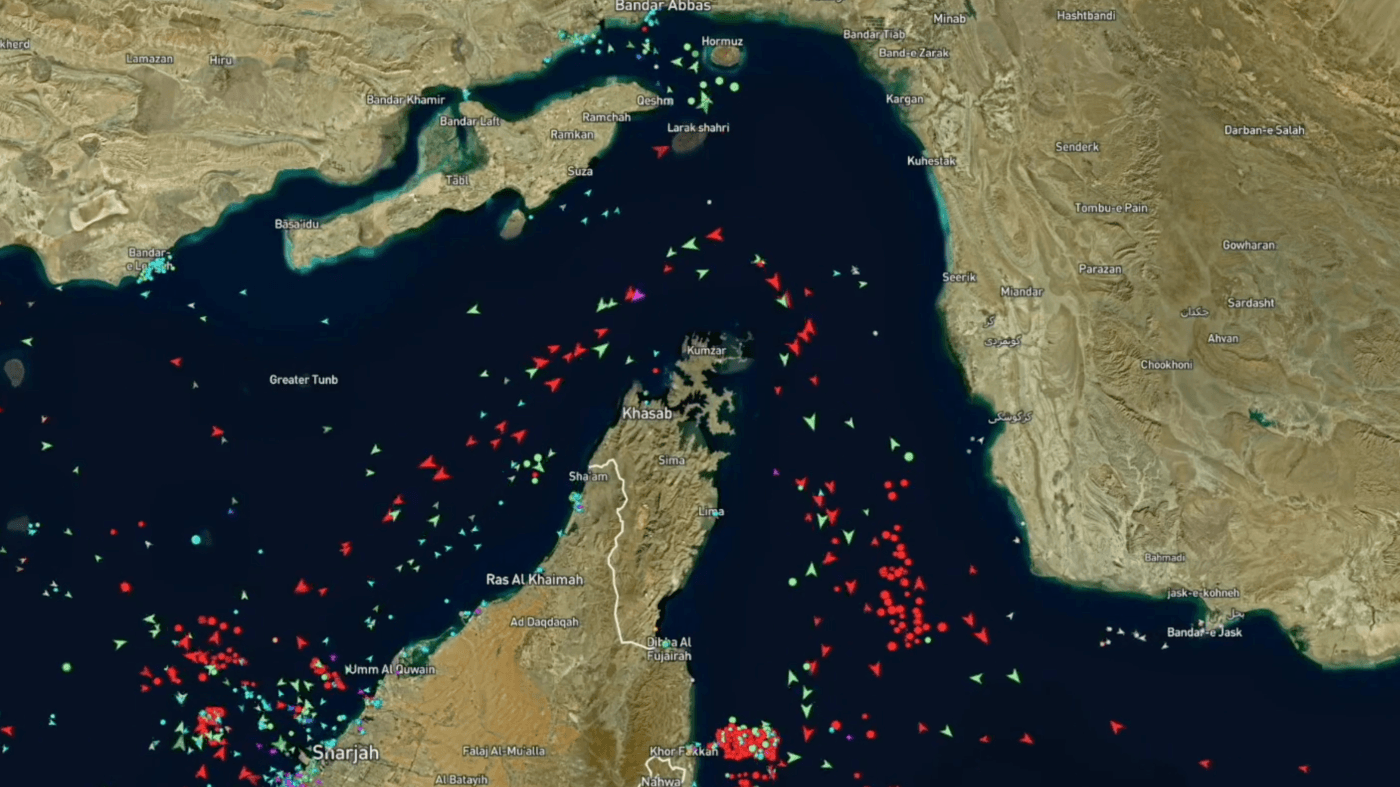
Renewed Conflict and Naval Stand‑Offs in the Strait of Hormuz crisis
In the latest developments, U.S. Defense Secretary Pete Hegseth announced an expansion of American naval blockade measures tied to the crisis, stating that vessels cannot transit from the Strait of Hormuz to international waters without U.S. Navy approval. This comes amid reports that U.S. forces have intercepted and turned back dozens of ships attempting to navigate the waterway. Reuters additionally noted that Iran was warned any mine‑laying would violate a fragile cease‑fire agreement.
Oil markets have reacted sharply. According to Anadolu Agency, Brent crude climbed above $105 per barrel as fears of a prolonged disruption to oil flows through the strait grow.
Iranian authorities, for their part, have disputed claims that the strait can be safely reopened under current conditions. As noted by The Guardian, Tehran described the idea of lifting restrictions on passage as “impossible” given ongoing cease‑fire breaches and security concerns.
Energy markets remain volatile, with global benchmarks reacting to both the physical risks to shipping and broader geopolitical signals. Al Jazeera’s economic desk highlighted that oil prices surged above $106 per barrel as the deadlock deepened.
Historical Context: Why This Matters
The Strait of Hormuz has long been a flash point for geopolitical struggles given its outsized role in the global energy trade. According to a historical overview from History.com’s timeline of tensions, disputes over control of the strait date back centuries, with repeated episodes of closure threats and military engagement shaping world energy markets and diplomatic relations.
Similarly, the Council on Foreign Relations detailed how the waterway became a focal point of U.S.–Iran maritime confrontation, especially in response to Iran’s past threats to disrupt oil exports amid sanctions and nuclear disagreements — setting the stage for today’s crisis. Read more in their analysis here.
Global Impacts and Strategic Responses
Beyond oil prices, the crisis has ripple effects on global supply chains and shipping insurance. International Energy Agency members have discussed large releases from strategic reserves to cushion market shocks. Nations heavily dependent on Gulf oil, such as India and China, are reassessing supply routes and contingency options. Observers note that alternative pipelines and naval escorts are being considered to mitigate the disruption.
Diplomatically, pressure is mounting for negotiations to resume, with some countries advocating for immediate steps to reduce hostilities and restore commercial navigation through the strait.
Looking Ahead
As the Strait of Hormuz crisis extends into its second quarter of 2026, stakeholders are watching closely whether additional military engagements or negotiated settlements will shape the future of energy security. With global markets on edge and geopolitical actors deeply invested, the situation remains fragile and unpredictable.


