

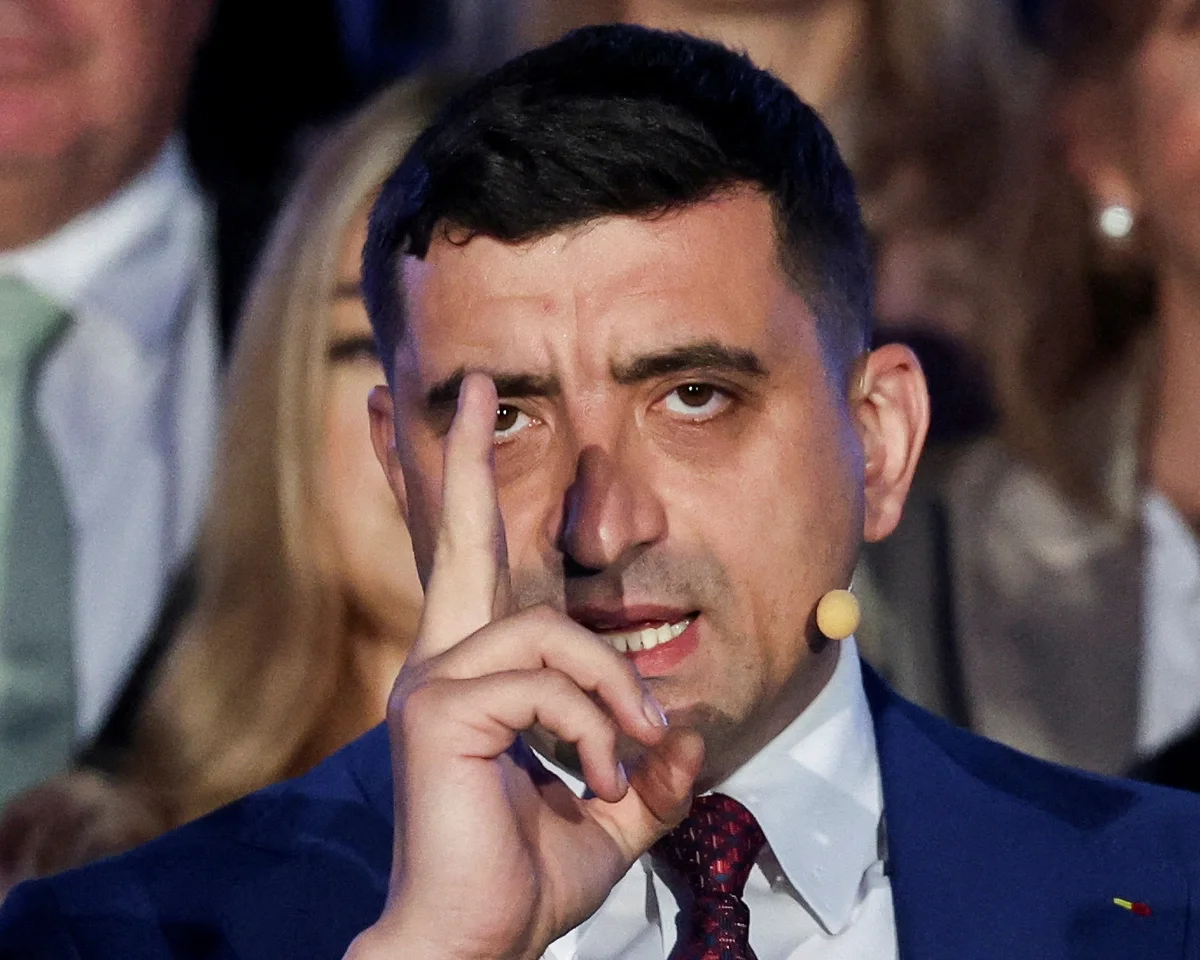
Romania’s effort to end weeks of political uncertainty entered a new phase Sunday after President Nicușor Dan nominated Adrian Vestea to form a government, following the withdrawal of previous prime minister-designate Eugen Tomac. The move places Vestea at the center of a high-stakes effort to restore political stability, secure parliamentary backing and address mounting economic concerns.
Vestea, a senior figure in the National Liberal Party (PNL) and president of the Brașov County Council, was tapped after Tomac acknowledged he lacked sufficient support in Parliament to form a viable administration. The president described Vestea’s nomination as the most realistic political solution to break the deadlock and avoid prolonging the crisis.
Adrian Vestea tasked with forming a government
According to Reuters reporting on the nomination, Vestea now has 10 days to negotiate a governing formula and win a confidence vote in Parliament. The challenge is significant, as Romania’s fragmented political landscape has made coalition-building increasingly difficult.
Speaking after his nomination, Vestea said he wants to build a political government capable of implementing meaningful reforms while keeping Romania firmly aligned with its pro-Western trajectory. His experience includes serving as development minister and leading local government initiatives in Brașov County.
The nomination comes at a delicate moment for Romania, where political instability has complicated policymaking and raised concerns about the country’s ability to maintain access to European Union funding tied to reform commitments.
How Romania reached this point
The current crisis traces back to the collapse of Prime Minister Ilie Bolojan’s government in May. A successful no-confidence vote ended the administration and forced President Dan to begin consultations on forming a new government.
Coverage from The Associated Press noted that Romania has been grappling with one of the European Union’s largest budget deficits, persistent inflation and weak economic growth, adding urgency to efforts to establish a functioning government.
Tomac was initially nominated earlier this month as a compromise figure who could potentially lead a technocratic administration. However, major political parties remained reluctant to support that approach, ultimately leading to his withdrawal and clearing the way for Vestea’s nomination.
Why Adrian Vestea’s mission matters
Romania remains one of the European Union’s most strategically important eastern members, and prolonged political instability could have broader implications for economic policy, foreign investment and regional security cooperation.
Analysis published by Romania Insider highlighted Vestea’s long record in local administration, including his role in advancing infrastructure projects and attracting European funding to Brașov County. Supporters argue that this practical governing experience could help him navigate difficult coalition talks.
However, securing parliamentary support remains uncertain. Several parties have expressed differing views on the type of government Romania needs, ranging from a broad political coalition to a minority administration backed by issue-based agreements.
Political crisis has been building for months
The latest developments are part of a broader political unraveling that began earlier this year. In April, Romania’s governing coalition suffered a major blow when the Social Democratic Party (PSD) withdrew support for Prime Minister Bolojan, triggering a chain of events that ultimately led to the government’s collapse.
At the time, Reuters reported that coalition disputes over reforms, budget policy and EU-linked commitments had significantly strained relations among governing partners. Those tensions intensified throughout the spring before culminating in the no-confidence vote that removed Bolojan from office.
For additional background, readers can review Reuters’ earlier coverage of the coalition breakdown in April and its subsequent report on the government’s collapse after the no-confidence vote in May.
What comes next for Romania
The coming days will determine whether Vestea can assemble a governing majority and end the uncertainty that has weighed on Romanian politics and financial markets. Failure to secure parliamentary approval could deepen the crisis and prolong the country’s reliance on an interim administration.
Observers will closely watch negotiations between the National Liberal Party, reform-minded groups and other parliamentary factions as Vestea seeks the support needed to move forward. His success or failure may shape Romania’s political direction and economic outlook for years to come.
For now, Adrian Vestea faces perhaps the most important test of his political career: convincing a divided Parliament that he can deliver the stable government Romania urgently needs.


