

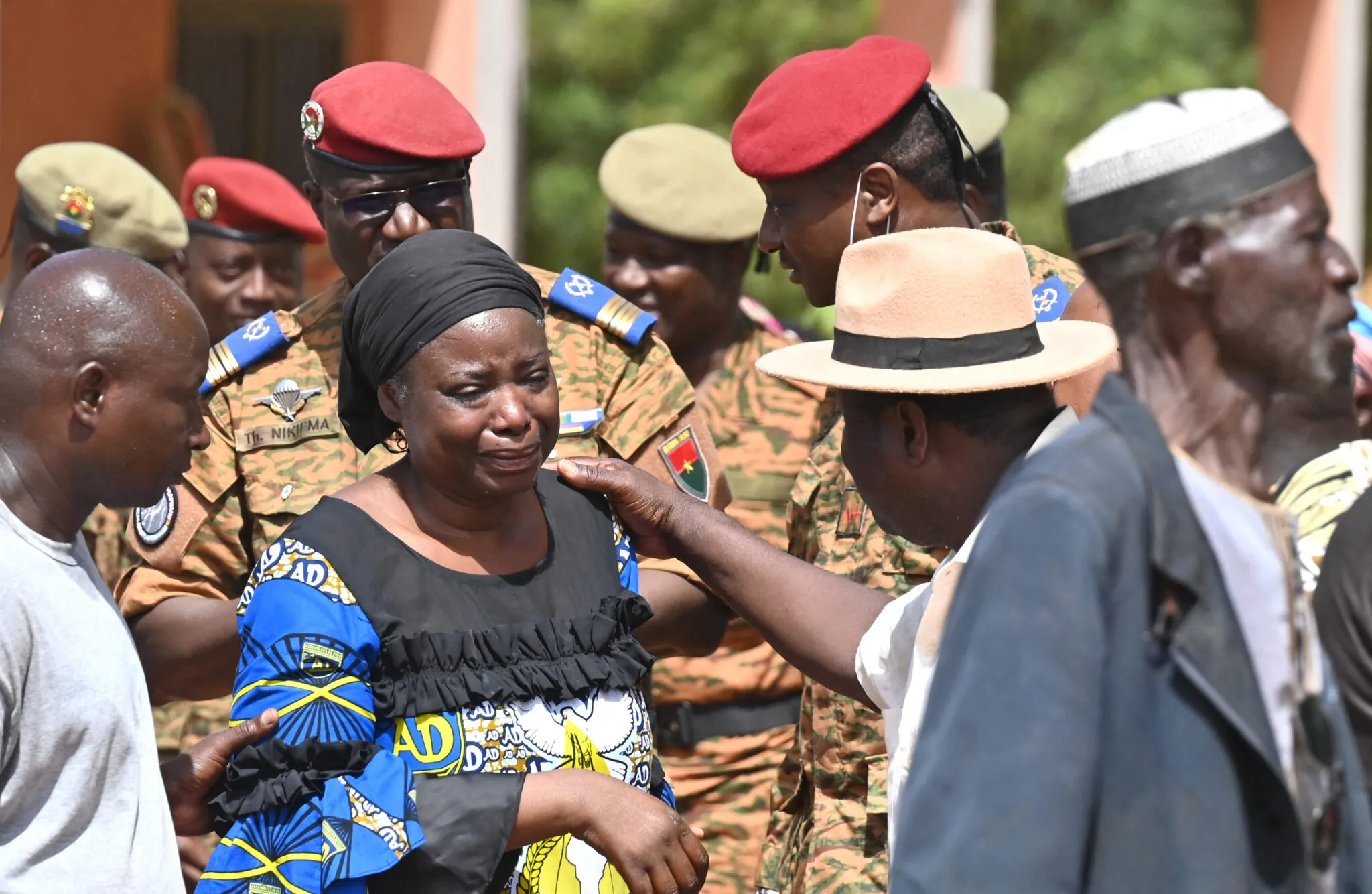
Al-Qaeda-linked militants operating across Mali are increasingly replacing overt brutality with a more calculated form of governance as they expand their influence in large parts of the country. The strategic shift by Jama’at Nusrat al-Islam wal-Muslimin (JNIM), one of the most powerful jihadist groups in the Sahel, is reshaping life in communities under its control while raising new concerns among security analysts and regional governments.
Residents in several central Malian regions say the group has become less visibly violent than it was five years ago, focusing more on taxation, dispute resolution, aid distribution and religious outreach. The change comes as JNIM strengthens its territorial hold and seeks greater acceptance among local populations. According to a recent Reuters report, villagers described a noticeable reduction in public threats and harsh punishments compared with the group’s earlier years.
Mali militants adopt a softer approach to strengthen local control
In communities along the Niger River and across central Mali, residents report that JNIM representatives now regularly organize meetings to collect taxes on crops and livestock while also distributing food, medicine and livestock to vulnerable families. Local accounts suggest the group’s leaders increasingly emphasize persuasion and community engagement instead of the intimidation tactics that once defined their rule.
Analysts say the change reflects a broader strategy aimed at transforming military gains into sustainable political influence. By presenting themselves as providers of order and services in areas where state institutions are weak or absent, the militants are attempting to build legitimacy among local populations.
The shift does not mean violence has disappeared. Human rights organizations continue to document attacks, blockades and abuses linked to armed groups across Mali. A recent United Nations warning highlighted worsening humanitarian conditions and continued civilian suffering amid escalating conflict.
JNIM expands influence despite ongoing security operations
The group’s growing confidence comes as Mali’s military government continues to struggle against insurgent movements despite years of counterterrorism campaigns. JNIM has demonstrated increasing operational reach, including large-scale coordinated attacks that have challenged government control in several regions.
In April, the organization claimed responsibility for a series of coordinated attacks carried out alongside the Tuareg-led Front de Libération de l’Azawad (FLA), highlighting evolving alliances within Mali’s complex conflict landscape. Details of the operation were reported by Reuters, which described the attacks as a significant development in the country’s ongoing insurgency.
The attacks underscored JNIM’s ability to project power across multiple regions simultaneously, reinforcing concerns that the group is becoming increasingly entrenched despite military pressure.
Years of instability created conditions for JNIM’s rise
JNIM’s current position is the result of a long-term expansion that accelerated after the withdrawal of foreign military missions and the deterioration of state authority in several parts of Mali.
For historical context, the group’s evolution can be traced through earlier reporting. A 2023 analysis by the International Crisis Group examined growing discussions around possible engagement with jihadist actors. In 2024, the BBC reported on worsening insecurity across the Sahel despite military-led governments promising stronger security measures. Earlier assessments from the Council on Foreign Relations also documented the steady expansion of extremist violence throughout the region. These developments help explain how JNIM evolved from an insurgent force into a de facto governing authority in some communities.
Local perceptions reveal a complex reality
Some residents interviewed by international media outlets say life under militant administration can appear more predictable than interactions with corrupt or under-resourced state institutions. Others stress that compliance remains driven by fear and that dissent is still dangerous.
The reality on the ground remains complicated. Reports of civilian casualties, displacement and retaliatory violence continue to emerge from conflict zones. According to an Associated Press report, the security situation has also contributed to increasing pressure on journalists and independent reporting within Mali.
Observers caution that JNIM’s softer public image should not be mistaken for moderation. The group’s leadership remains aligned with al-Qaeda, and its long-term objectives continue to challenge the authority of the Malian state and regional governments.
What the shift means for Mali’s future
The emergence of a more sophisticated governance strategy by JNIM represents a significant challenge for policymakers and security officials. Rather than relying solely on fear, the organization appears to be combining military strength with social influence, making it more difficult to dislodge from areas where it has established roots.
As Mali’s conflict enters a new phase, the competition for legitimacy between state institutions and militant organizations may become as important as battlefield victories. Whether JNIM’s evolving approach ultimately strengthens its hold or creates new opportunities for political resolution remains one of the most consequential questions facing Mali and the wider Sahel region.


