

The immediate trigger was the seizure of the Iranian-flagged cargo ship Touska, which U.S. officials said tried to run a blockade near the Strait of Hormuz. Reuters reported that U.S. forces fired on the vessel after a six-hour standoff, disabled its engines and boarded it, while Iran’s military called the action “armed piracy” and warned of retaliation.
Trump said U.S. forces had “full custody” of the ship and continued to defend the blockade as leverage in the talks. Iranian officials, however, said the blockade itself violated the ceasefire, making a new diplomatic round in Pakistan unlikely unless Washington changes course.
Iran ceasefire talks hit blockade dispute
The dispute leaves Islamabad preparing for negotiations that may not happen. The Associated Press reported that Trump had said U.S. negotiators would travel to Pakistan, but Iranian state media questioned whether Tehran would join, citing what it described as U.S. “bad intentions” and a lack of seriousness in diplomacy.
Pakistan, the main mediator in the ceasefire process, tightened security in the capital as the talks remained uncertain. Al Jazeera reported that roads into Islamabad’s Red Zone were sealed and additional police and paramilitary personnel deployed, even as Tehran pushed back against Trump’s renewed threats and the U.S. naval blockade.
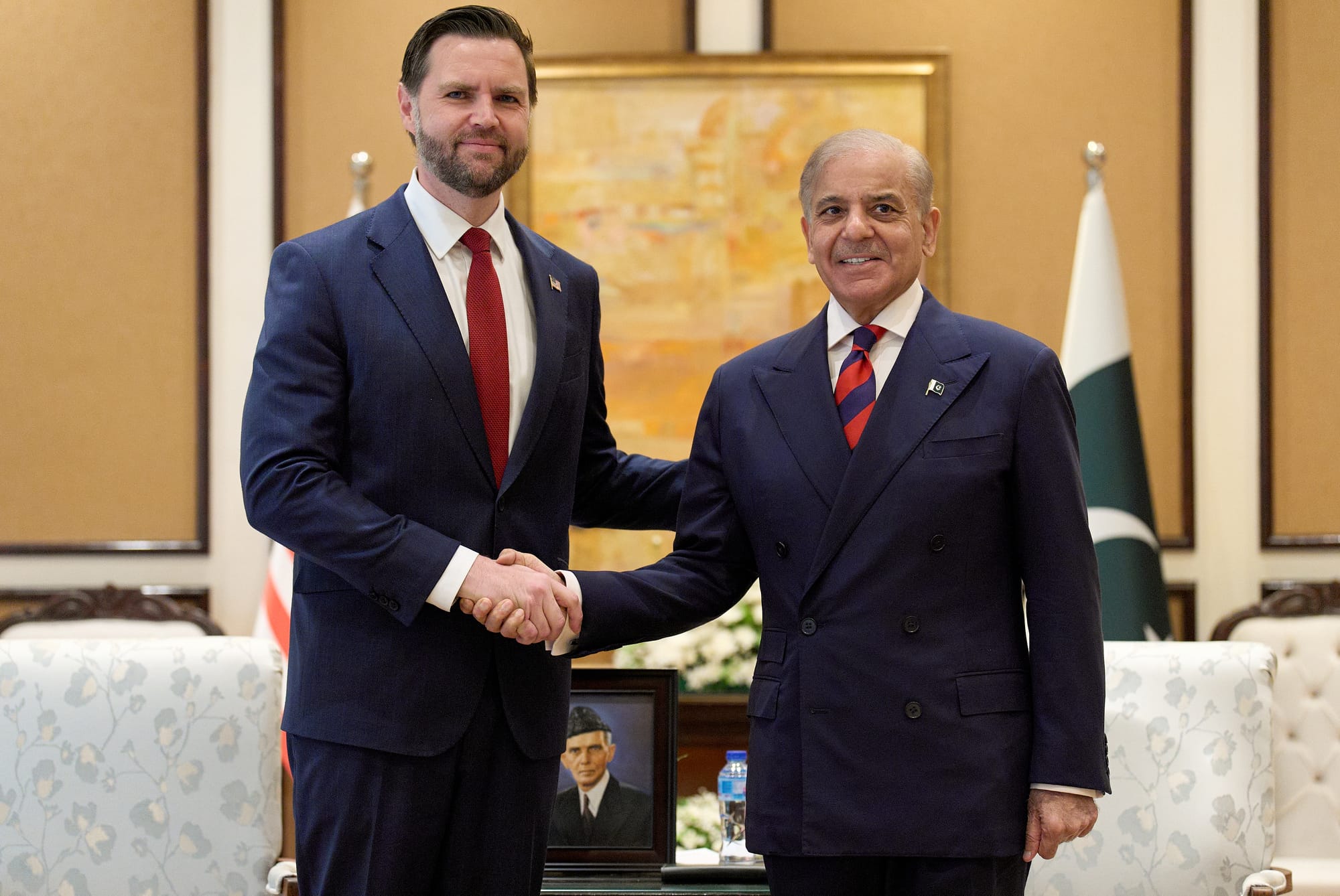
The U.S. delegation’s lineup also appeared unsettled. Vice President JD Vance led the previous Islamabad round, but reports differed over whether he would join special envoy Steve Witkoff and Jared Kushner this time. That uncertainty added to doubts over whether diplomacy could resume before the ceasefire window closes.
How earlier Iran ceasefire talks set up the crisis
The latest standoff follows a failed marathon round in Islamabad last weekend. The Guardian reported that Vance left Pakistan after 21 hours of talks without a deal, saying Washington needed an affirmative commitment that Iran would not seek nuclear weapons or the tools to quickly build one. Iranian delegates countered that the U.S. needed to do more to earn Tehran’s trust.
The agenda had already widened beyond the nuclear file. Earlier Al Jazeera coverage said the sides were also clashing over the Strait of Hormuz, security assurances, frozen assets, war reparations and whether the ceasefire should extend to Lebanon, where Israel has continued operations against Hezbollah.
Those unresolved issues now sit behind Tehran’s refusal to treat the new round as routine diplomacy. Iran has argued that it cannot be expected to keep maritime routes open while its own oil exports and ports remain under pressure. Washington says the blockade is meant to force movement toward a broader deal.
What happens next
The Strait of Hormuz remains the most immediate pressure point. Roughly one-fifth of the world’s oil trade typically passes through the waterway, making any prolonged closure or military escalation a global economic concern as well as a regional security crisis.
For Trump, the talks offer a possible off-ramp from a conflict that has widened since February and shaken energy markets. For Tehran, attending talks under blockade could look like negotiating under coercion. For Pakistan, the challenge is keeping both sides engaged long enough to prevent the ceasefire from becoming another pause before renewed fighting.
Unless one side softens its position, the next phase of Iran ceasefire talks may be defined less by what happens at the negotiating table than by whether the U.S. and Iran can avoid another confrontation at sea.


