

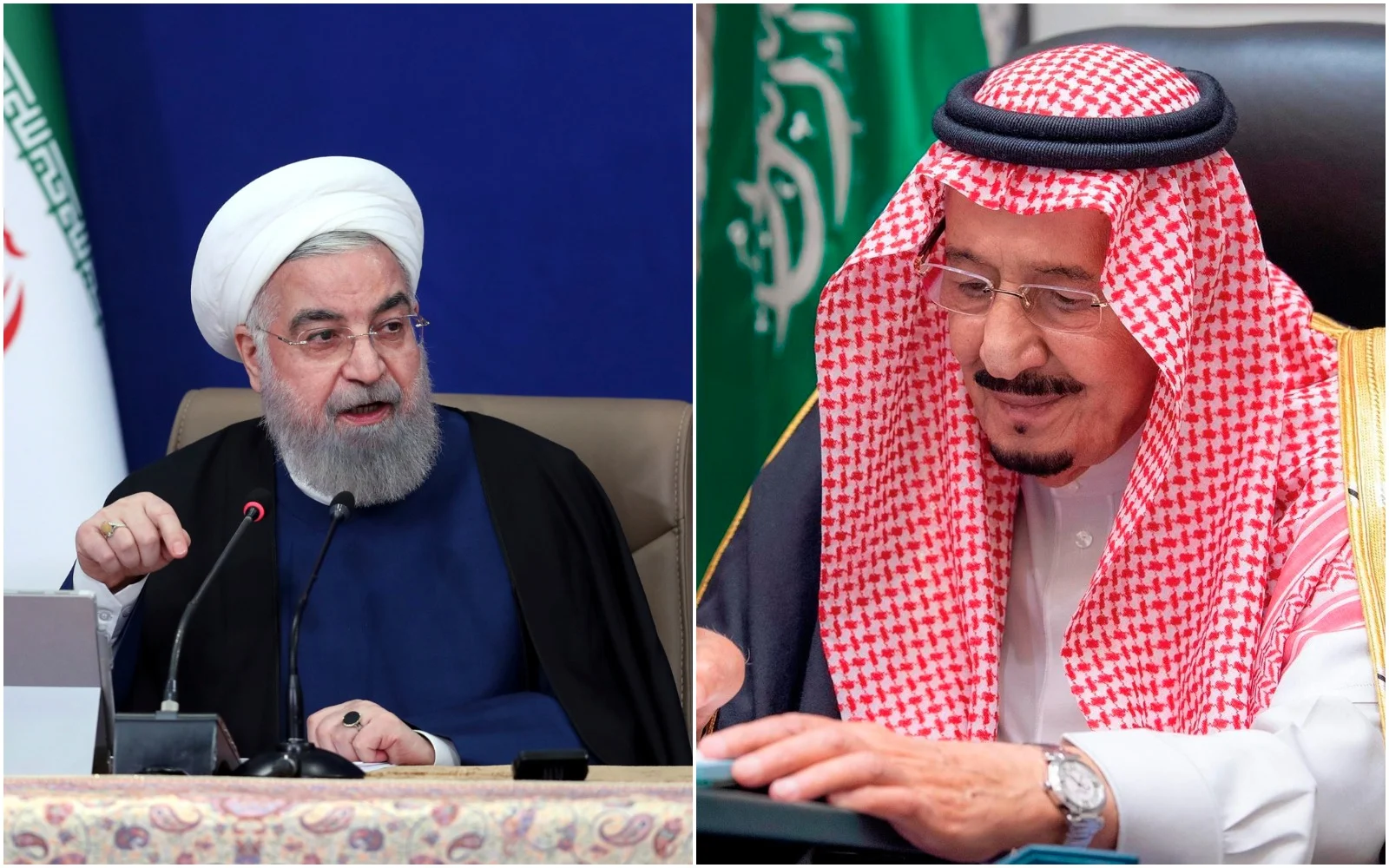
In a Reuters interview, Ambassador Alireza Enayati said, “We are neighbors and we cannot do without each other; we will need a serious review.” He also said Tehran was not behind attacks on Saudi Arabia’s oil sector, including incidents involving Ras Tanura and attempted drone strikes on the Shaybah field, while arguing that Gulf states should rely less on outside powers and more on regional cooperation.
Iran-Saudi relations come under renewed strain
The denial comes after Riyadh, according to a separate Reuters report, warned Tehran through diplomatic channels that continued attacks on the kingdom and its energy infrastructure could force a response. That message underscored Saudi Arabia’s effort to keep room for de-escalation while making clear that strikes on its territory would carry consequences.
A Reuters analysis said Gulf governments are increasingly frustrated at bearing the security and economic cost of a war they neither launched nor endorsed. For Riyadh, that frustration matters because Saudi strategy in recent years has depended on lowering regional tensions long enough to focus on economic growth, investment and domestic development rather than open confrontation with Iran.
The energy fallout is already visible. Reuters reported Friday that Saudi Arabia has cut oil production by about 20% to roughly 8 million barrels a day after curbing output at two major offshore fields. The wider risk is no longer theoretical: the Associated Press has outlined how key Gulf pipelines, export terminals and refineries are now exposed, making even limited attacks on Saudi infrastructure a global economic concern.
Iran-Saudi relations and the weight of recent history
This latest strain lands on top of a long and uneven arc. Saudi Arabia’s 2016 decision to cut ties with Iran after its embassy in Tehran was stormed marked the low point in a rivalry that had already spilled into proxy conflicts across the Middle East. The mood shifted in 2023, when a China-brokered agreement restored diplomatic relations and raised hopes that both states could manage competition without sliding back into direct crisis.
But the shadow of earlier Saudi oil attacks never fully disappeared. A 2020 Reuters report on U.N. investigators said Yemen’s Houthis did not carry out the September 2019 strike on Abqaiq and Khurais, keeping pressure on Iranian denials after one of the most disruptive attacks on Saudi energy infrastructure in recent years.
That makes Enayati’s message more than routine damage control. Tehran appears to be trying to preserve the restored channel with Riyadh while separating itself, at least diplomatically, from attacks that hit Saudi Arabia at its most vulnerable point: oil.
Whether that effort succeeds will depend less on rhetoric than on what happens next in Gulf skies and around its energy sites. If the attacks ease, the 2023 thaw may survive in a narrower, more distrustful form. If they continue, Iran-Saudi relations could harden back toward open hostility.


