

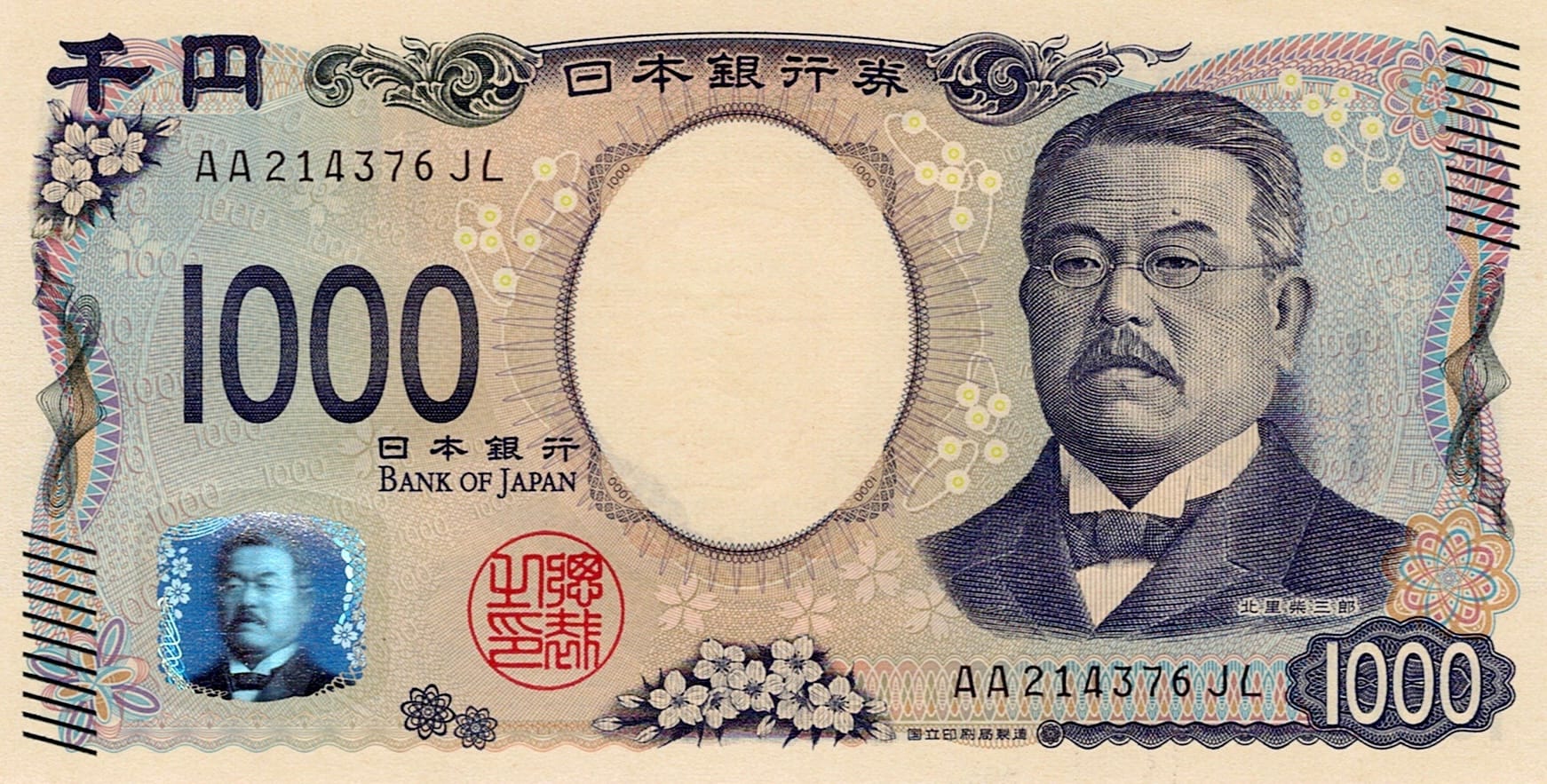
TOKYO — The Japanese yen remained under pressure as Tokyo weighed an unusual intervention in crude oil futures to blunt the currency damage from surging energy costs and fresh demand for dollars, March 26. The idea has moved into focus because policymakers increasingly see oil-linked dollar buying, not just speculative yen selling, as a major reason the currency is hovering near the sensitive 160-per-dollar zone.
According to a Reuters report on Tokyo’s oil-futures option, officials are discussing whether Japan could use its foreign exchange reserves to sell crude futures, aiming to push prices lower and reduce the need for dollars in energy trade. Reuters said Japanese law allows reserves to be used in futures markets if the objective is currency stability. Ministry of Finance data show Japan held about $1.41 trillion in reserve assets at the end of February, underscoring the scale of any intervention firepower.
The proposal remains unconfirmed and far from settled policy. Still, Finance Minister Satsuki Katayama’s latest remarks suggested the government is ready to act “on all fronts” as swings in crude markets spill into foreign exchange.
Why the Japanese yen is now moving with oil
Tokyo is already treating the energy shock as an economic emergency. Japan has begun tapping private reserves, opening public stockpiles and preparing to use jointly held crude stored with producer nations. At the same time, the International Energy Agency’s latest update said member countries would make 400 million barrels available to the market after the Middle East conflict disrupted flows.
That helps explain the strategic shift. If high oil prices are forcing importers to buy more dollars, then plain yen-buying intervention may offer only temporary relief. An oil-futures move would be far more experimental, but it would also attack the pressure point officials now appear to fear most.
Japanese yen pressure has a long backstory
This would not be the first time Japan has reached for unconventional tools. In late 2021, Tokyo joined a coordinated oil-reserve release after pressure from Washington to help cool crude prices. In September 2022, authorities bought yen for the first time since 1998 as the currency weakened sharply. And in May 2024, traders again suspected intervention after the dollar pushed above 160 yen, reinforcing the idea that Tokyo still treats that level as a closely watched line.
What comes next for the Japanese yen
For now, the oil-futures plan looks more like a contingency than a final decision. It could buy Tokyo time if oil markets cool and shipping disruptions ease, but unless that happens the Japanese yen may remain vulnerable. For officials in Tokyo, the currency story is no longer just about monetary policy. It is increasingly about energy, trade flows and how long Japan can absorb an external shock before it is forced into a bigger response.


