

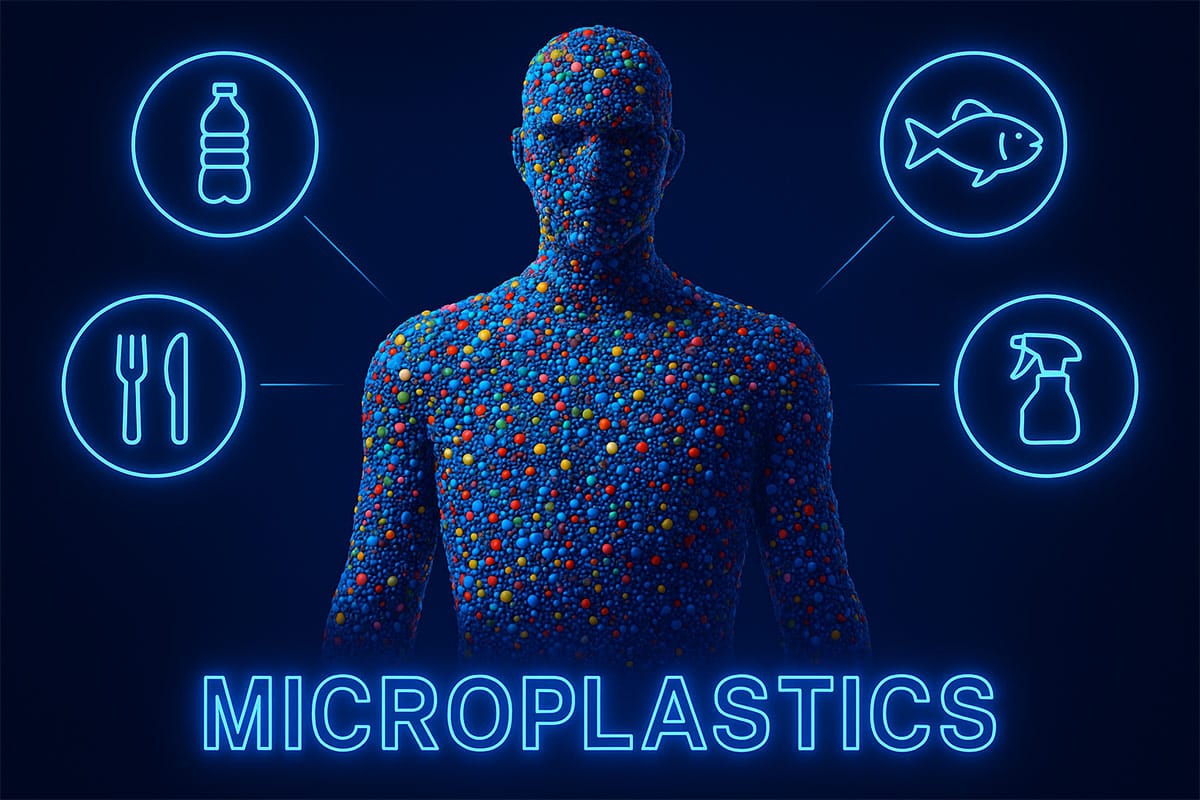
WASHINGTON — Researchers analyzing indoor air in homes, cars and other enclosed spaces are raising new concerns about microplastics after recent studies found higher inhalation estimates and reported that air cleaning can reduce indoor concentrations, May 3, 2026. The findings matter because people spend much of their time indoors, where plastic particles can shed from textiles, carpets, furniture, paint, packaging and dust before being breathed in or swallowed.
Microplastics are commonly described as tiny plastic particles smaller than 5 millimeters, while EPA microplastics research also tracks smaller plastic particles down to the nanometer scale. In homes, the concern is not just visible dust or lint, but fine fragments and fibers that can remain suspended in air, settle on surfaces and become airborne again through walking, cleaning, heating, cooling and everyday movement.
Why microplastics in home air are drawing attention
A study published July 30, 2025, in PLOS One measured airborne microplastics in residential apartments and car cabins in France, focusing on particles between 1 and 10 micrometers. The researchers reported a median concentration of 528 microplastic particles per cubic meter in residential air and 2,238 particles per cubic meter in car cabins. They estimated adult inhalation at about 68,000 particles per day for the 1-to-10-micrometer range, far above previous estimates that relied more heavily on larger particles.
The study does not prove that those exposures cause disease. It does, however, sharpen concern because smaller particles can move deeper into the respiratory system than larger fibers. The World Health Organization review of dietary and inhalation exposure has emphasized that researchers still need better data on exposure levels, particle sizes, toxicity and how much plastic remains in the body after contact.
The science has been building for years. A 2017 study of textile fibers in indoor and outdoor air found man-made fibers were more concentrated indoors than outdoors and estimated that microplastics represented about one-third of analyzed indoor fibers. A 2019 analysis of human microplastic consumption estimated that annual exposure rose substantially when inhalation was included. By 2020, researchers were also documenting microplastic fallout in different indoor environments, adding evidence that homes, offices and other indoor spaces could be important exposure sites.
A later 2022 review of microplastics and additives in the indoor environment pushed the issue further, noting that air and house dust analyses suggested indoor microplastic pollution could become a hygiene concern. That history makes the latest research less like a sudden discovery and more like the next step in a long-running shift: scientists are moving from proving microplastics are present indoors to asking which sizes matter most and what households can do now.
New findings point to practical exposure cuts
A 2026 review of microplastics in indoor air and dust identified textiles, furniture, paints and cleaning products as familiar indoor sources. It also noted that ventilation type, occupancy and cleaning practices can influence indoor abundance, which means exposure is not fixed. A crowded room with synthetic textiles, poor filtration and dust buildup can behave differently from a well-ventilated room that is cleaned carefully and filtered consistently.
The clearest intervention now is particle control. A recent Environmental Pollution study on air cleaners reported that air cleaner use can reduce indoor microplastic concentrations in a real indoor environment. The finding supports a broader public health message: while households cannot eliminate microplastics, they can reduce the amount circulating in air and dust.
How to cut microplastics in home air
Experts increasingly point to ordinary indoor air quality steps as the most practical response. Use a properly sized portable air cleaner in rooms where people spend the most time, especially bedrooms. Choose filtration-based devices and replace filters on schedule. Where a home has central heating or cooling, upgrade the HVAC filter only to a rating the system can safely handle, and change it regularly.
Cleaning matters because settled particles can become airborne again. Public health guidance on reducing microplastic exposure recommends vacuuming with a HEPA filter and dusting with cotton or other natural-fiber cloths instead of microfiber cloths. Damp dusting can also help keep particles from being pushed back into the air.
Households can also reduce sources. Wash synthetic textiles gently, clean lint traps, avoid shaking plastic-based rugs or blankets indoors, and consider natural-fiber furnishings when replacing worn carpets, curtains or upholstery. Ventilation can help when outdoor air quality is good, but opening windows during wildfire smoke, heavy traffic pollution or high-pollen periods can trade one exposure for another.
What remains unknown
The health picture is still incomplete. Microplastics differ by size, shape, polymer and chemical additives, and those differences can affect how particles behave in air and in the body. A fiber from polyester clothing is not the same as a paint fragment or a tiny piece of degraded packaging. Scientists also need more standardized methods so indoor measurements from different countries, homes and seasons can be compared more reliably.
For now, the evidence supports a cautious approach. Microplastics in home air are measurable, indoor dust is a likely reservoir, and newer research suggests filtration and better cleaning can cut exposure. The practical takeaway is not panic, but prevention: reduce dust, filter the air, limit unnecessary plastic shedding indoors and treat clean indoor air as part of everyday health.


