

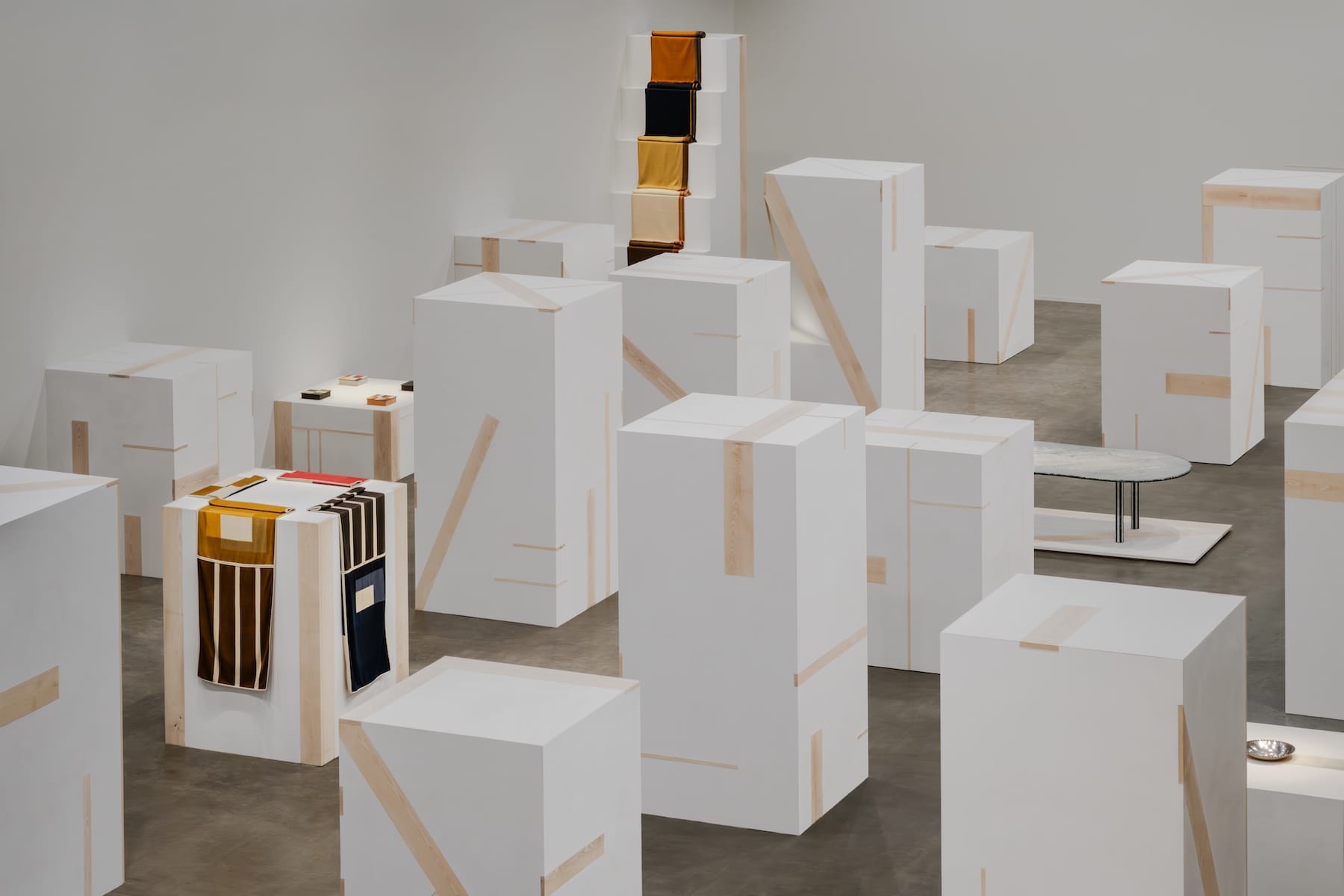
The event highlighted a renewed focus on tactile processes and traditional techniques reinterpreted through modern design, as studios and collectives presented installations that blended heritage craftsmanship with emerging technologies.
Milan Design Week 2026 artisan creativity reshapes global design conversations
This year’s edition placed Milan Design Week 2026 artisan creativity at the center of its programming, with exhibitions emphasizing ceramics, woodworking, textile innovation and small-batch production. Across the Brera Design District and Tortona, visitors encountered immersive showcases that elevated maker-led narratives over mass production.
Organizers and exhibitors positioned the shift as part of a broader cultural response to sustainability concerns and the increasing demand for design transparency. The focus on artisanal methods also reinforced Milan’s long-standing role as a global capital of design experimentation.
Industry observers noted that the 2026 edition continued an evolution seen in previous years, where craftsmanship and material storytelling increasingly define the tone of the event rather than purely digital or industrial aesthetics.
Continuity of craftsmanship trends in global design weeks
The emphasis on artisan-driven work builds on patterns seen in earlier Milan Design Week editions, where handmade processes and material heritage steadily gained prominence. In previous cycles, designers began reintroducing slow production methods in response to fast-consumption design culture.
Similar themes have been documented in international design coverage, including ongoing reflections on Milan’s influence in shaping global design priorities. For example, recurring analyses of the event’s evolution can be found in long-term design reporting such as Dezeen’s Milan Design Week coverage archive, which tracks how craftsmanship and innovation intersect across annual editions.
Broader European design discourse has also highlighted the growing importance of material intelligence and artisan collaboration, particularly in reinterpretations of traditional manufacturing systems. Publications such as Wallpaper’s Milan Design Week features have documented how luxury and independent studios increasingly rely on craft-based storytelling to differentiate their work.
Earlier perspectives on this shift were also noted in design culture reporting from outlets like Designboom’s Milan Design Week coverage, which has long emphasized experimental installations and material exploration across the city.
Additionally, architecture and design analysis platforms such as Domus have historically framed Milan Design Week as a testing ground for evolving design philosophies, particularly where artisanal production meets architectural thinking.
Design districts transform into living craft laboratories
Throughout Milan, districts including Isola, Brera and Porta Venezia transformed into open-air laboratories where artisans demonstrated weaving, glassblowing and furniture making. Visitors interacted directly with creators, reinforcing the event’s participatory approach.
Installations often blurred the line between exhibition and workshop, allowing audiences to witness production stages in real time. This format reinforced the central theme of accessibility in design and strengthened engagement between makers and global audiences.
Global industry impact and future outlook
Design analysts expect the emphasis on artisanal creativity to continue influencing product development cycles, particularly in luxury interiors and sustainable architecture. The 2026 edition further cemented Milan’s role as a reference point for balancing innovation with tradition.
As brands and independent studios reflect on this year’s outcomes, the integration of artisan practices is likely to expand beyond exhibition spaces and into long-term commercial design strategies.
With its strong focus on craft and cultural continuity, Milan Design Week 2026 reaffirmed that the future of design may depend as much on human skill and heritage as on technological advancement.


