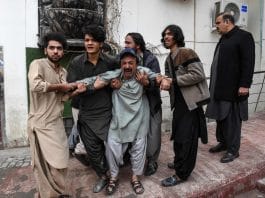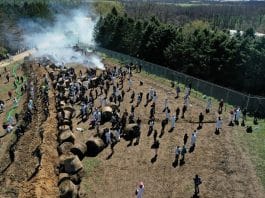
The same day, gunmen in Kogi state raided an orphanage in Lokoja and abducted 23 pupils, with 15 later rescued, officials said. No group immediately claimed responsibility, but the attack fit a familiar pattern: armed groups targeting children and isolated schools because they generate fear, attention and potential ransom payments.
How the Northern Nigeria crisis widened beyond Boko Haram’s old stronghold
For years, Nigeria’s insurgency was most closely associated with Boko Haram and its splinter faction, Islamic State West Africa Province, in the northeast. That threat remains active. In March, coordinated raids across northeast Nigeria killed at least 12 soldiers and three civilians, Reuters reported, a sign that militants are still capable of directly targeting security forces.
But the violence is no longer confined to the old insurgent corridors of Borno, Yobe and Adamawa. In the northwest, suspected Lakurawa fighters have added a new layer to the crisis. Reuters reported in February that suspected Lakurawa militants killed 34 people in coordinated village attacks in Kebbi state. The group operates mainly in Kebbi and Sokoto states, where its rise has blurred the line between jihadist insurgency, cattle rustling, extortion and bandit-style violence.
That convergence is what makes the current phase so difficult to contain. Boko Haram and ISWAP still exploit remote terrain and weak state presence in the northeast, while bandit gangs and newer militant networks use forests, borderlands and rural roads in the northwest and north-central states. The result is not one single front, but many smaller fronts that can erupt almost at once.
Older attacks show the continuity behind today’s violence
The recent school and orphanage abductions echo a long-running tactic. The 2014 Chibok kidnapping remains the most notorious example; a decade later, Reuters reported that roughly 90 of the abducted Chibok girls were still missing. That attack turned schoolchildren into symbols of Nigeria’s security failures and showed militants the propaganda value of mass abductions.
The tactic later spread into the northwest. In December 2020, families of more than 300 kidnapped schoolboys in Kankara feared the children could be radicalized or moved across forest routes. By mid-2021, Reuters found that kidnaps-for-ransom had plagued schools across northwest Nigeria, showing how criminal gangs adapted the fear created by insurgents into a recurring business model.
Those older attacks matter because they explain why the current crisis feels both familiar and more dangerous. The actors have multiplied, the geography has widened and the targets now include villages, schools, military posts, farms and displaced communities.
Humanitarian pressure deepens as attacks disrupt farming
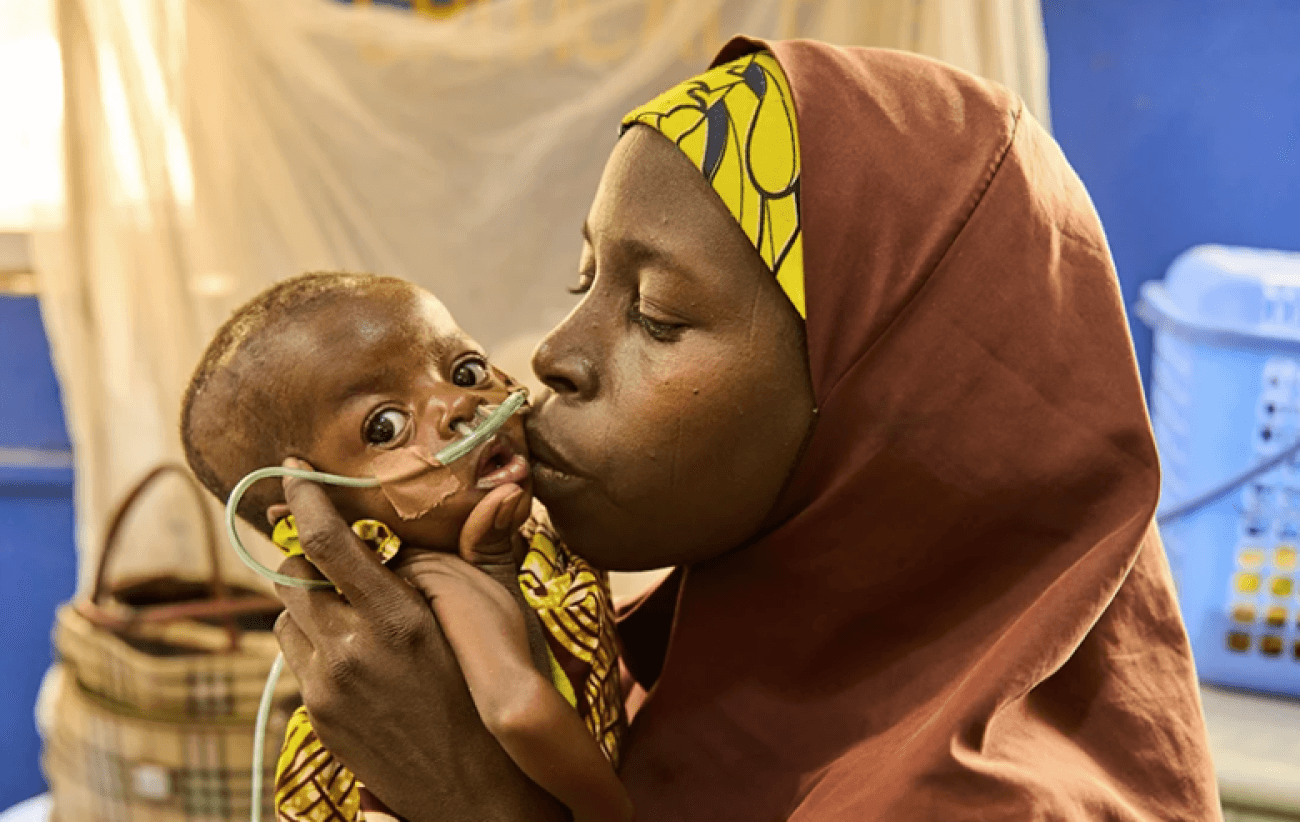
The security collapse is also feeding a worsening humanitarian emergency. The United Nations said nearly 35 million Nigerians are at risk of hunger this year, including 3 million children facing severe malnutrition. U.N. officials have warned that violence in Borno, Adamawa and Yobe is worsening at the same time aid budgets are shrinking.
The danger goes beyond immediate casualties. When armed groups raid farming communities, abduct residents or impose taxes, families abandon fields and markets lose supplies. Hunger then becomes both a consequence of the conflict and a tool that deepens instability, giving armed groups more leverage over communities with few safe options.
Nigeria’s government has launched repeated military operations and rescue efforts, but the expanding violence shows the limits of responses that treat each attack as isolated. The Northern Nigeria crisis now spans insurgency, organized kidnapping, rural banditry and food insecurity. Without stronger protection for schools, farms and displaced communities, the attacks are likely to keep widening faster than authorities can contain them.