Oscars AI Ban reshapes eligibility rules for filmmakers
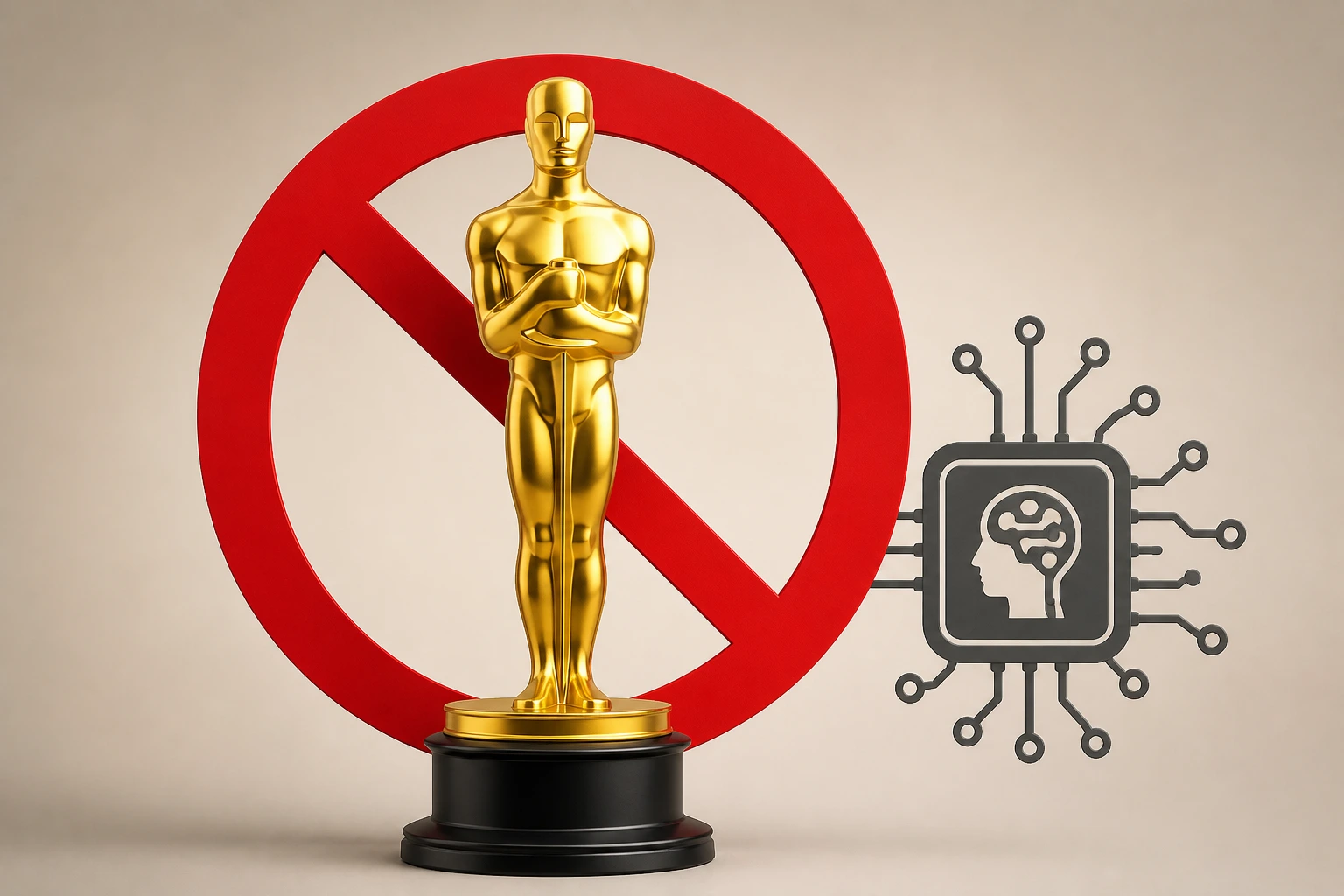
The updated policy, widely described as an Oscars AI Ban, introduces stricter disclosure requirements and potential disqualification risks for films relying heavily on generative artificial intelligence in core creative roles such as screenwriting, performance synthesis, and visual storytelling. While AI tools are not fully prohibited, the Academy now emphasizes that human authorship must remain central for eligibility consideration.
The move aligns with long-standing concerns in the industry over intellectual property rights and creative integrity. Discussions around AI’s role in filmmaking intensified during labor disputes in Hollywood, where writers and actors raised alarms about synthetic media replacing human labor. These concerns were notably highlighted during the 2023 SAG-AFTRA strike, where AI protections became a key bargaining issue.
Oscars AI Ban follows years of AI disruption in Hollywood
The entertainment industry’s struggle with artificial intelligence is not new. Over the past decade, AI-assisted editing, script analysis, and visual effects tools have become commonplace, gradually shifting production workflows. However, the emergence of generative AI has accelerated concerns about full-scale automation of creative roles.
Academic and industry analysis has tracked these changes extensively, including broader discussions on the role of machine learning in storytelling and media production. Historical context can be found in studies such as Artificial intelligence in film, which outlines how AI has evolved from a production tool to a creative force in modern cinema.
Industry reaction to Oscars AI Ban remains divided
Reactions across Hollywood have been mixed. Some filmmakers argue the new framework protects artistic integrity and preserves human creativity at the center of storytelling. Others contend that the policy may be difficult to enforce given the rapid integration of AI tools into post-production workflows.
Industry analysts note that this is not the first time the Academy has adapted eligibility rules in response to technological shifts. Previous changes have addressed digital effects, streaming distribution, and virtual production environments, each reshaping how films qualify for consideration.
Broader concerns about the intersection of technology and awards recognition have also been documented by industry observers, including discussions on evolving award standards at the Academy Awards.
Oscars AI Ban highlights long-term labor and copyright tensions
The policy shift also reflects ongoing legal and ethical debates surrounding authorship and training data used in AI systems. Writers’ organizations and performers’ unions have repeatedly raised concerns about whether AI-generated material undermines copyright protections and fair compensation.
These issues were central during labor negotiations in Hollywood and continue to influence policy decisions across studios and award bodies. The broader implications of AI in creative industries have been widely analyzed in relation to intellectual property law and technological disruption.
According to historical research on machine intelligence in media, including analysis from Artificial intelligence, the rapid expansion of generative systems has forced institutions to reconsider definitions of originality and authorship.
Oscars AI Ban may set global precedent for awards eligibility
Experts suggest the Academy’s updated stance could influence other international film festivals and award organizations, many of which are facing similar questions about AI-assisted productions. As global film production becomes increasingly digitized, standards for eligibility may converge around transparency and human creative control.
The shift is also being compared to earlier industry disruptions caused by streaming platforms and digital filmmaking, both of which required major adjustments in awards eligibility criteria.
Additional historical context on labor and technology disputes in entertainment can be found in coverage of the industry-wide strikes documented by Academy Awards history.
Conclusion: A turning point for cinema and creative authorship
The introduction of stricter AI-related eligibility rules marks a significant turning point for Hollywood, signaling a future where human creativity is formally prioritized in award recognition. While the full implications of the policy will unfold over the coming years, the Oscars AI Ban underscores a broader global debate over the role of artificial intelligence in art, authorship, and cultural production.