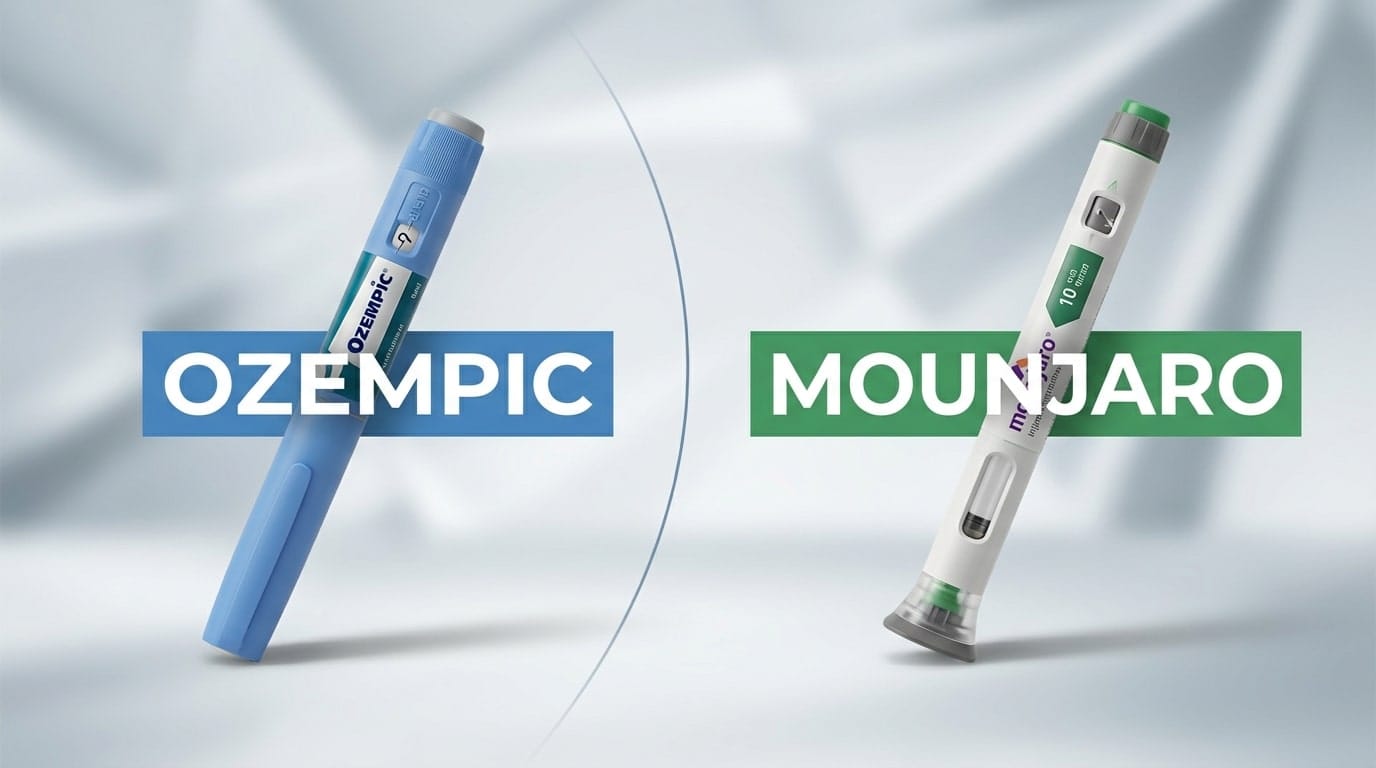
NEW YORK — Many patients treated at U.S. academic medical centers who stopped semaglutide — sold as Ozempic and the higher-dose obesity brand Wegovy — kept the weight off, and some continued to lose, up to 18 months later, according to an analysis shared with Reuters. Using artificial intelligence to comb electronic health records, researchers said the results complicate a growing assumption that most people quickly regain weight once they stop Ozempic, Jan. 22, 2026.
The real-world analysis, led by data-analytics firm nference, applied AI to 14 million doctors’ notes and 15 million clinical data entries from more than 135,000 patients prescribed a single GLP-1 (glucagon-like peptide-1) drug over the course of a year. Among roughly 37,500 semaglutide users, 2,567 discontinued treatment; six months later, about 33% had regained weight, while 32% maintained their loss and 35% were still losing. The median weight change at six months was 0%.
“The implication of our real-world evidence is not that rebound risk is negligible, but rather that durability is achievable in routine care,” nference Chief Scientific Officer Venky Soundararajan told Reuters. Patients who received exercise counseling after their last known prescription date were nearly twice as likely to maintain weight loss as those who did not, the researchers reported.
Ozempic discontinuation: encouraging signals, important limits
Because the nference work is observational and not yet peer-reviewed, it cannot prove why some people maintain results after stopping Ozempic or other GLP-1 drugs. The dataset also does not fully account for dosing, duration of use, other medical conditions or lifestyle changes — all factors that can shift body weight in either direction.
Even so, the report tracks with earlier signals that the post-drug story is not one-size-fits-all. A 2024 report from Epic Research found many patients had not regained all the weight they lost a year after stopping GLP-1 therapy. In 2025, Axios reported that physicians were increasingly concerned about what happens when patients cycle on and off these medications, often driven by cost or side effects.
Ozempic rebound risk: what trials and meta-analyses show
Controlled trials, however, have consistently found that stopping semaglutide raises the odds of regain. In the STEP 1 trial extension, participants who lost an average of 17.3% of their body weight on semaglutide regained much of that loss after treatment was withdrawn, finishing follow-up with a net loss of 5.6% from baseline.
Recent pooled research also leans toward rebound as the typical pattern. A BMJ systematic review and meta-analysis of 37 studies projected that, after stopping weight management medications, patients regained weight at an average rate of about 0.4 kilograms (0.9 pounds) per month — fast enough to return to baseline weight in roughly 1.7 years — while cardiometabolic improvements drifted back toward baseline as well. Another systematic review focused on GLP-1 discontinuation found weight regain was proportional to the amount lost, with larger average regain after stopping semaglutide or tirzepatide than after stopping liraglutide.
That tension between population averages and individual outcomes has become a recurring theme in coverage of Ozempic. As Scientific American explained in 2025, some studies suggest patients may remain below their starting weight even after partial regain, but longer-term results can depend on how much weight was lost, how abruptly treatment stopped and how consistently patients maintain diet and activity changes.
What may help after Ozempic
For clinicians, the emerging evidence adds urgency to a practical question: What should an off-ramp look like? The nference findings point to exercise counseling as one potentially high-impact lever, and obesity specialists increasingly emphasize building sustainable eating and activity routines while patients are still on Ozempic, when appetite suppression can make new habits easier to establish.
For patients, the takeaway is neither “everyone rebounds” nor “anyone can stop.” It is that Ozempic appears most durable when it is part of a long-term plan — whether that means continued medication for some, or a carefully managed transition for others — and that emerging real-world data are beginning to map which supports may matter most when treatment ends.