

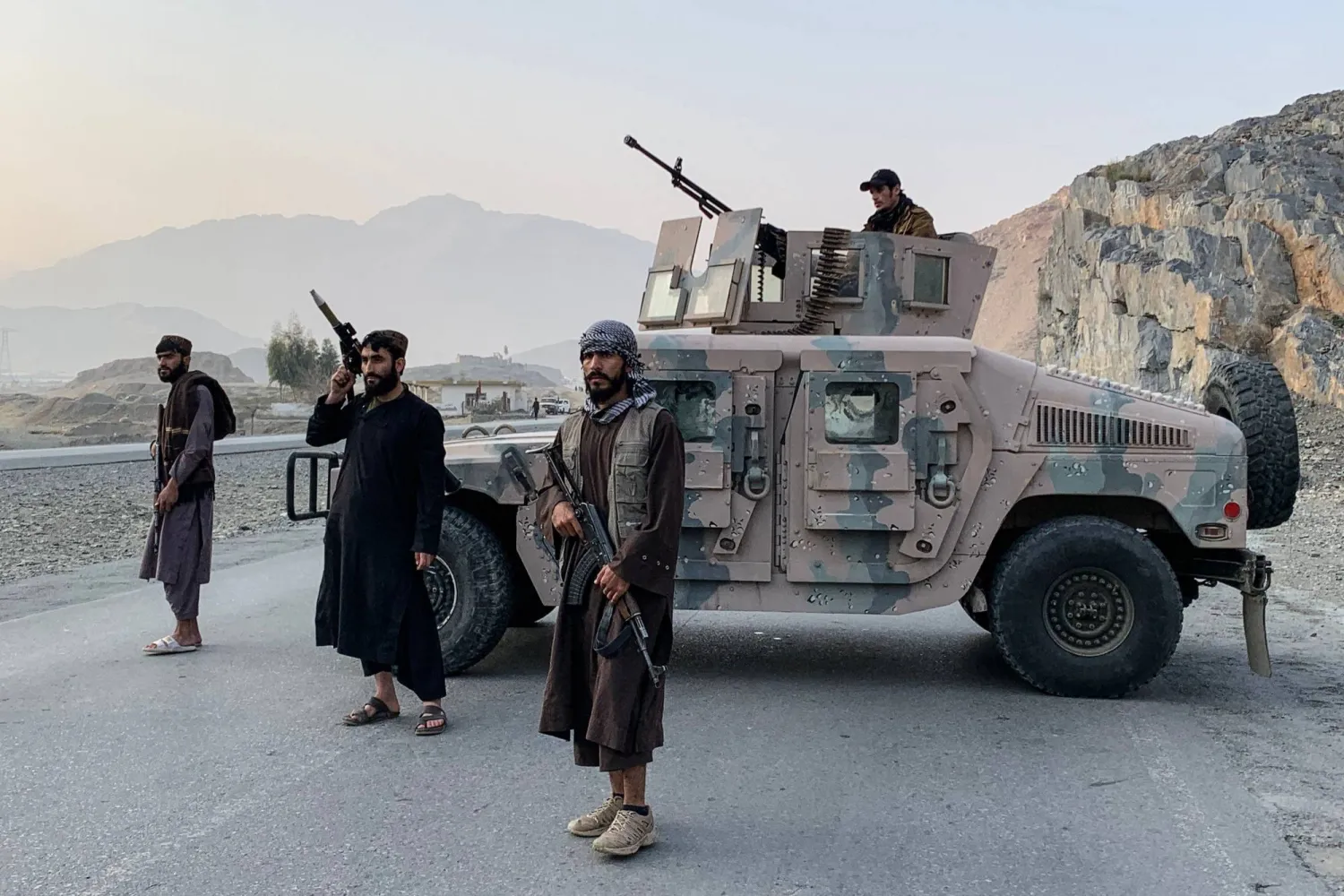
The confrontation unfolded as opposition members challenged fiscal priorities, tax measures, and spending allocations, while government representatives defended the budget as necessary for stabilization and ongoing negotiations with international financial institutions. The debate underscored widening political divisions at a time when economic pressures remain central to national policymaking.
Pakistan Faces Renewed Budget Battle in Parliament
Lawmakers exchanged pointed criticism during the session, with PTI figures arguing that the budget fails to address structural inefficiencies and rising inflation. Government officials countered that the proposals were designed to maintain macroeconomic stability and meet fiscal targets under ongoing economic reform commitments.
The clash reflects a recurring pattern in Pakistan’s parliamentary history, where budget sessions frequently become flashpoints for broader political disputes. Analysts note that such confrontations often intensify during periods of economic adjustment and external financing requirements.
Pakistan and a History of Budget Disputes
Pakistan has repeatedly seen contentious budget debates, particularly during periods of economic stress and political transition. In previous years, opposition parties have also challenged fiscal frameworks over taxation policies and subsidy cuts.
Coverage from earlier parliamentary standoffs, such as those documented by BBC News coverage of Pakistan’s economic and political developments, shows that budget disagreements have long been a central feature of governance debates in the country.
Similarly, Dawn’s reporting on Pakistan’s fiscal policy discussions has highlighted how opposition scrutiny often intensifies during IMF-linked reform cycles, shaping both parliamentary debate and public discourse.
In past international reporting, Reuters analysis of South Asian economic policy trends has emphasized how Pakistan’s budget negotiations are closely watched due to their implications for regional stability and investor confidence.
Pakistan Economy Under Pressure as Political Divide Widens
Economic experts say the latest confrontation comes at a sensitive moment for Pakistan’s economy, which continues to navigate inflationary pressures, currency fluctuations, and external debt obligations. The government maintains that fiscal discipline is essential, while opposition parties argue that austerity measures risk deepening public hardship.
The debate is expected to continue as the budget moves through parliamentary approval stages, with further amendments and negotiations likely in the coming weeks.
International observers, including those covered in Al Jazeera’s Pakistan coverage, have noted that political consensus remains crucial for sustaining economic reforms and ensuring policy continuity amid external financial assistance programs.
Meanwhile, financial commentary from outlets such as Financial Times reporting on Pakistan’s economic outlook has underscored investor sensitivity to political instability and fiscal uncertainty.
Outlook: Continued Political Negotiations Ahead
As parliamentary discussions progress, both government and opposition leaders are expected to engage in further negotiations over key fiscal measures. The outcome of these debates will likely shape not only the current budget cycle but also Pakistan’s broader economic trajectory in the months ahead.
For now, the parliamentary clash highlights persistent tensions between economic reform agendas and political opposition, a dynamic that continues to define Pakistan’s policy landscape.


