

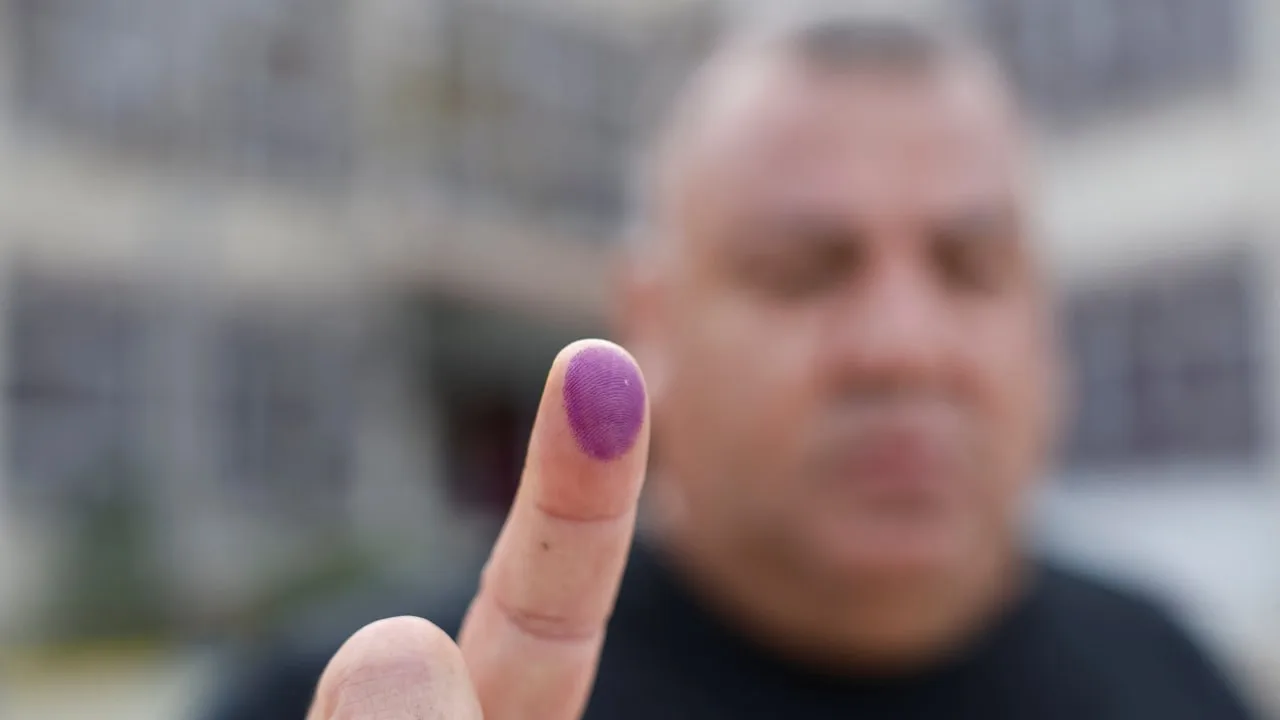
Palestinian local elections show limited political change
The 2026 Palestinian local elections — the first to include parts of Gaza in two decades — were held across 403 local councils in the West Bank and Gaza Strip. While the inclusion of Gaza’s Deir al-Balah municipality marked a symbolic opening after years of geographic political division, many West Bank voters voiced apathy and doubt about the process. In several major West Bank cities, councils were filled by acclamation rather than competitive voting, a trend critics say reinforces existing power networks instead of promoting genuine political accountability.
In the West Bank town of Qusra, outgoing local officials described a sense of futility among voters sceptical that municipal councils could address everyday priorities such as infrastructure decay, unemployment, and inadequate public services. “They keep saying, ‘we’re going to do this,’ but I don’t know if any of it will actually yield results,” said a resident of Tulkarem who chose not to cast a ballot.
History of municipal votes and ongoing challenges
Local elections have long been part of Palestinian political life, but their impact on broader governance has been mixed. Studies have shown that while municipal councils are the only level of government in the West Bank subject to regular democratic contests, they often operate under constraints that limit their influence on overarching policy or national leadership dynamics. For instance, a report on local governance in the West Bank highlights how women remain underrepresented and many councilors act primarily within family or factional networks rather than based on programmatic political platforms.
Past electoral cycles — including the 2012–13 local polls and earlier mid‑2000s municipal contests — have similarly underscored voters’ scepticism toward entrenched parties like Fatah, especially where competition has been weak or boycotted by key factions. This historical pattern continues to shape perceptions of the 2026 vote, with many Palestinians seeing little substantive transformation in political culture or authority structures.
Service‑oriented contests overshadow ideological debate
Analysts point out that the current elections were largely framed around local services rather than ideological competition — a development some observers link to the strengthening of clan‑based politics over formal party structures. According to reporting by Anadolu, many candidates ran on community service promises rather than offering clear alternatives to the PA’s West Bank leadership, reflecting broader trends of limited partisan engagement and political fragmentation.
Public disillusionment and governance constraints
For many voters, frustration with economic stagnation, Israeli occupation policies, and stalled national elections has overshadowed the appeal of municipal participation. Despite the logistical milestones of this round of local voting, scepticism remains high about the broader political process and whether incremental changes at the council level can translate into meaningful reform.
Looking ahead
With national legislative and presidential elections long postponed and no clear pathway to wider political renewal, today’s local contests may serve more as a barometer of public sentiment than a catalyst for change. Political analysts warn that without deeper institutional reforms and progress toward broader democratic participation, scepticism among the Palestinian populace may harden further.


