

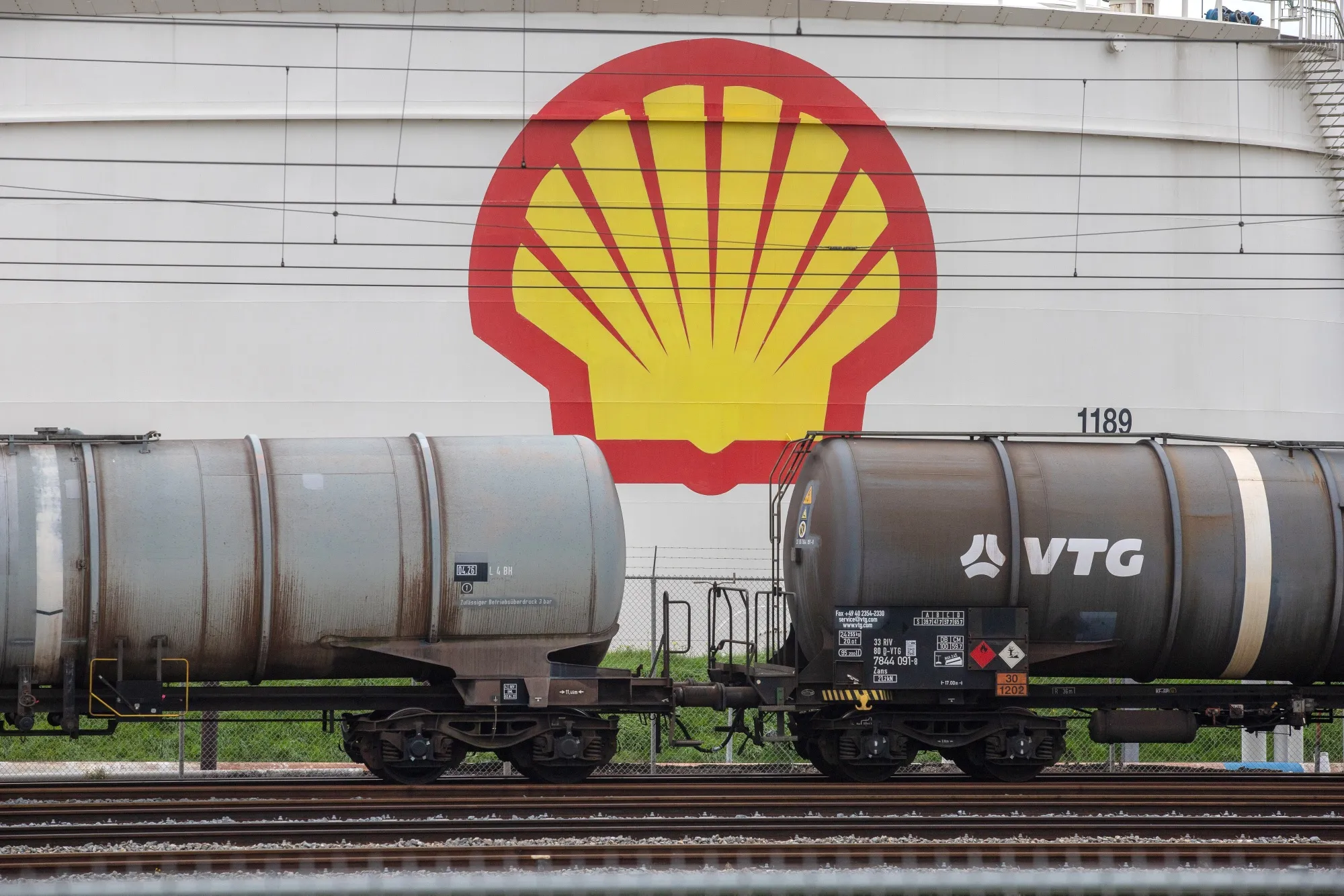
Shell Profit climbs amid global oil market turbulence
Shell profit reached $6.92 billion in the latest quarter, driven primarily by stronger refining margins and higher crude benchmarks following supply disruptions in key shipping corridors. Traders say the price shock has revived concerns about energy security and inflationary pressure in major economies.
Analysts note that integrated oil majors like Shell are often among the first beneficiaries of geopolitical instability, particularly when crude prices rise faster than upstream production costs.
Historically, Shell has seen similar windfalls during major supply-side shocks. During the 2022 energy crisis, profits surged as post-pandemic demand collided with constrained supply chains, as reported by Reuters energy coverage on global oil disruptions.
Iran conflict reshapes global supply expectations
The latest price rally has been linked to renewed instability in the Strait of Hormuz region, a critical chokepoint for global oil transit. Shipping delays and increased insurance premiums have further tightened market conditions.
Energy markets had already been sensitive following earlier disruptions in the region, including sanctions-related constraints and intermittent supply interruptions. Past reporting from Reuters Middle East coverage highlighted how even limited escalations in the region can rapidly translate into global price volatility.
Similarly, long-term analyses from Bloomberg Energy reports have consistently warned that geopolitical risk in the Gulf region remains one of the most significant pricing factors in global crude markets.
Shell Profit supported by refining and trading strength
Alongside upstream gains, refining margins and trading operations contributed significantly to the overall performance. The company’s integrated model allowed it to capitalize on price spreads between crude input costs and refined product output.
Industry observers say this diversification helps cushion volatility, especially during periods of rapid price escalation similar to the current shock.
Outlook remains uncertain for global energy markets
Despite the strong quarter, analysts caution that sustained instability in the Middle East could lead to demand destruction if prices remain elevated for an extended period. Central banks are also monitoring energy-driven inflationary pressures closely.
Shell executives are expected to provide further guidance in the coming weeks as markets assess whether the current surge represents a short-term shock or the beginning of a prolonged energy cycle.


